
At Digital Tech Explorer, we are fascinated by the intersection of narrative design and software execution. One of the most talked-about technical and storytelling achievements in recent gaming history is the “enemies-to-lovers” arc between Shadowheart and Lae’zel in Baldur’s Gate 3. This dynamic has captivated players worldwide, evolving from cold animosity to a profound connection that highlights the depth of Larian Studios’ character development.

The Writers’ Shared Narrative Vision
The organic development of this romantic arc wasn’t a happy accident; it was the result of collaborative narrative engineering. Writers Kevin VanOrd (Lae’zel) and John Corcoran (Shadowheart) discovered they were independently crafting scripts that mirrored one another. Both characters were designed to question the rigid belief systems they were raised in—Shadowheart with her devotion to Shar and Lae’zel with her unwavering loyalty to Vlaakith.
This parallel development allowed the team to refactor the characters’ initial clashes into a foundation for mutual growth. By aligning their internal conflicts, the writers created a natural bridge for their eventual bond, making the transition from rivals to partners feel earned through shared trauma and deconstruction of their pasts.
| Character | Primary Conflict | Narrative Growth Path |
|---|---|---|
| Shadowheart | Religious Indoctrination (Shar) | Learning empathy and uncovering a lost identity. |
| Lae’zel | Martial Dogma (Githyanki) | Softening aggression and finding worth outside of duty. |

Refining Lae’zel: From Aggression to Approachability
From a product development standpoint, user feedback was essential in shaping these characters. Early iterations of Lae’zel were significantly more abrasive, which initially hindered player engagement during the early access phase. Larian Studios leveraged this data to refine her personality, “softening” her edges without stripping away her fierce Githyanki warrior identity.
Kevin VanOrd used this feedback to balance her martial intensity with moments of vulnerability. This adjustment was crucial; it ensured that players—and Shadowheart—could find a reason to invest in her journey. This iterative process is a prime example of how community testing can improve the final “user experience” of a digital narrative.
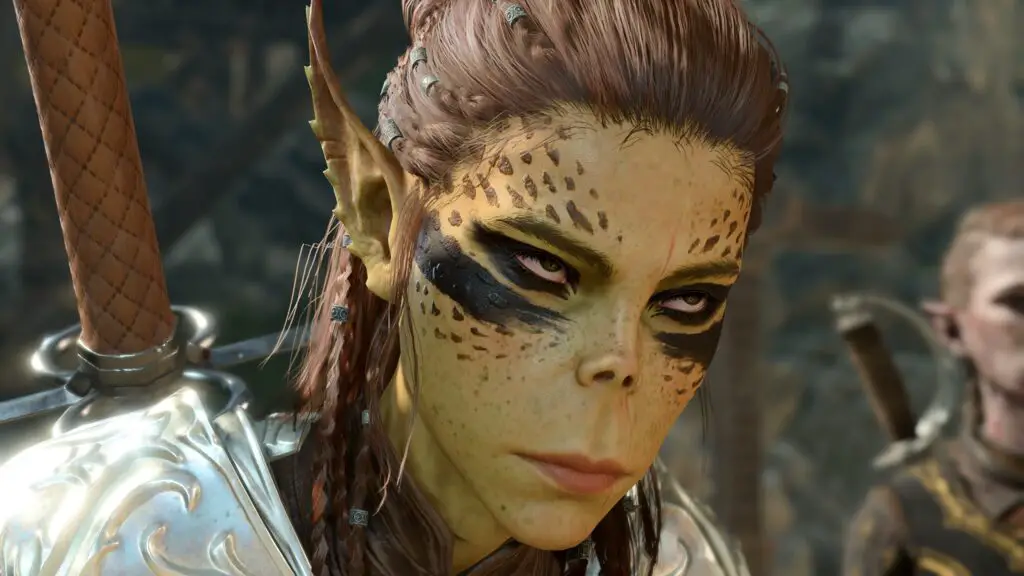
A Masterclass in Digital Storytelling
The journey of Shadowheart and Lae’zel serves as a testament to the powerful storytelling possible in modern RPG releases. By overcoming their initial prejudices through mutual understanding, they provide a blueprint for complex character writing that resonates with players on an emotional level. As tech enthusiasts and gamers, we continue to look to titles like Baldur’s Gate 3 as the gold standard for how interactive software can deliver deep, human-centric narratives.
Disclaimer: All content on Digital Tech Explorer is for informational and entertainment purposes only. We do not provide financial or legal advice. Affiliate Disclaimer: Some of the links on Digital Tech Explorer are affiliate links. This means we may earn a commission if you click through and make a purchase, at no additional cost to you.
About the Author: TechTalesLeo
TechTalesLeo is a dynamic storyteller and tech enthusiast who brings technology to life through captivating narratives and engaging content. With a robust background in digital media and technology, TechTalesLeo bridges the gap between complex software solutions and everyday usability, focusing on digital innovation and emerging trends in the gaming and tech industries.