
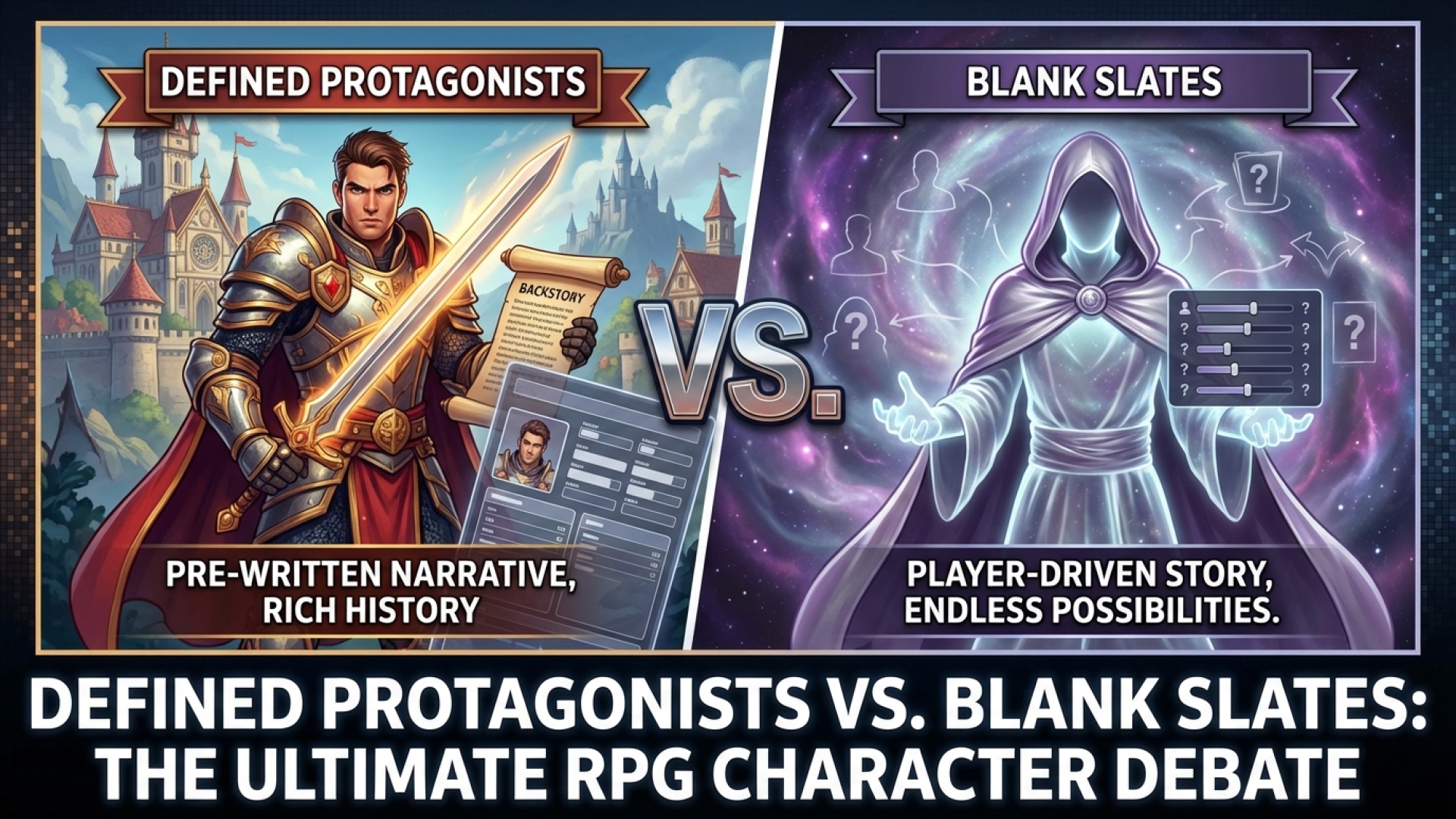
The Great RPG Debate: Defined Playable Characters or Blank Slates?
In the vast realm of role-playing games, a perennial debate sparks fervent discussion among players and developers alike: is it better to inhabit a character with a rich, pre-defined history, or to craft a blank slate hero tailored precisely to your imagination? At Digital Tech Explorer, we often see this tension at the heart of game design. This choice significantly shapes the player’s experience, influencing everything from narrative depth to the underlying coding logic that governs world reactivity.
As a storyteller, I find that both paths offer unique ways to experience digital innovation. Whether you are a developer looking at PC games design or a player seeking immersion, understanding these two philosophies is key to appreciating the modern RPG landscape.
The Appeal of the Blank Slate: Ultimate Agency
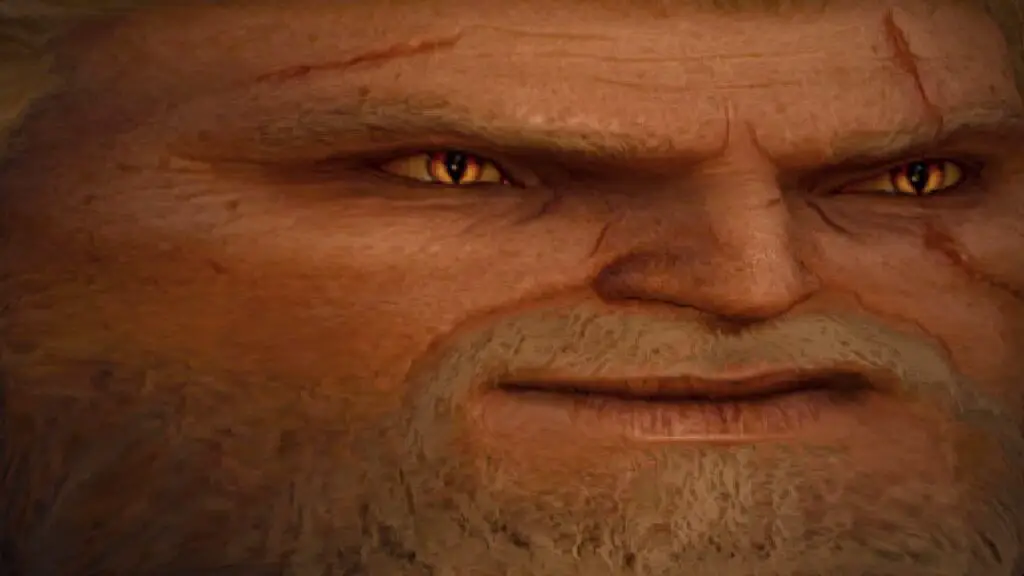
For many seasoned roleplayers, the allure of a blank slate character lies in unparalleled freedom. This approach mirrors the dynamic nature of tabletop RPGs, where players sculpt adventurers from the ground up—dictating their background, motivations, and evolving morality. From a technical standpoint, these games often feature robust gaming mechanics that prioritize deep build potential and procedural reactivity.
Classic examples championing this philosophy include:
- Baldur’s Gate & Icewind Dale: Foundations of tactical, choice-driven progression.
- The Elder Scrolls V: Skyrim: The gold standard for open-ended exploration where you can be anyone.
- Fallout Series: Where your character’s stats directly influence how the world perceives your “Vault Dweller.”
These titles empower players to act as the architects of their own legend, making them favorites for those who enjoy experimenting with diverse playstyles across multiple playthroughs.
The Power of Pre-Defined Protagonists: Narrative Precision
Conversely, RPGs featuring defined protagonists often deliver stories that are more profoundly resonant. While these games might offer less “build-crafting” in the traditional sense, they compensate with narratives meticulously woven around established history, relationships, and internal conflicts. At Digital Tech Explorer, we often highlight how these games use AI and scripted sequences to create a cinematic experience that a blank slate simply cannot match.
Highly acclaimed titles in this category include:
- The Witcher 3: Wild Hunt: You are Geralt of Rivia; your choices matter, but they are always filtered through the lens of a professional monster hunter.
- Mass Effect: Commander Shepard’s journey is personal, making every diplomatic or military decision feel heavy with history.
- Disco Elysium: A psychological masterpiece where the protagonist’s pre-existing trauma is the very engine of the gameplay.
In these instances, players aren’t just playing a game; they are co-authoring a novel. Even with an established past, players are granted immense freedom to shape the protagonist’s future, leading to drastically different endings based on ideological shifts.
Comparing Character Archetypes
To help you decide which style fits your next adventure, here is a breakdown of the core differences:
| Feature | Blank Slate (e.g., Skyrim) | Defined Protagonist (e.g., The Witcher) |
|---|---|---|
| Player Identity | Full creative control over appearance and backstory. | Pre-set name, appearance, and history. |
| Narrative Focus | The world’s reaction to the player’s actions. | Personal growth and character-driven arcs. |
| Voice Acting | Often silent to allow for player immersion. | Fully voiced, allowing for cinematic dialogue. |
| Replayability | High (different builds, factions, and roles). | Moderate (different moral choices and endings). |
The Hybrid Revolution: The Best of Both Worlds
The lines between these philosophies are blurring as we see more 2024 releases pushing the boundaries of what is possible. A prime example is Baldur’s Gate 3. It masterfully integrates rich character development even when players opt for a custom hero. Through its “Origin” system, it offers the choice to play as a pre-defined character or a blank slate that is still deeply embedded in the unfolding drama.
This hybrid approach leverages modern hardware—like high-end GPUs and advanced scripting—to ensure the world reacts to a custom character with the same nuance previously reserved for pre-written heroes.
Which Path Do You Prefer?
Ultimately, the preference comes down to what you seek from your digital journey. Do you want to be the author of a new soul, or the navigator of an established life? At Digital Tech Explorer, we believe both are essential to the evolution of the genre. Whether you’re chasing 4K resolution vistas in an open world or diving into the dense scripts of a CRPG, the choice is yours.
For more deep dives into game design and the latest tech trends, stay tuned to our latest updates. I’m TechTalesLeo, and I’ll see you in the next story.
Disclaimer: All content on Digital Tech Explorer is for informational and entertainment purposes only. Some links may be affiliate links, meaning we may earn a commission at no additional cost to you.