

The gaming world is buzzing following AMD’s latest earnings call, where CEO Dr. Lisa Su shared a revelation that has caught both developers and hardware enthusiasts by surprise. In a move that shifts the timeline for portable and living room gaming, Dr. Su confirmed that “Valve is on track to begin shipping its AMD-powered Steam Machine early this year.” This announcement represents a massive leap forward from the previously whispered 2026 release window, signaling that Valve’s next-generation hardware is ready for prime time much sooner than we anticipated.
The Evolution of the Steam Machine: Hardware Insights
For those of us who followed the original Steam Machine launch, the narrative has often been one of “what could have been.” However, Valve’s latest iteration—a sleek, cuboid compact gaming PC—is a different story entirely. At Digital Tech Explorer, our focus is on the intersection of raw power and practical application, and this device appears to hit the sweet spot. Built on a foundation of cutting-edge AMD architecture, the unit is expected to be a powerhouse for both 4K gaming and potentially 3D gaming applications.
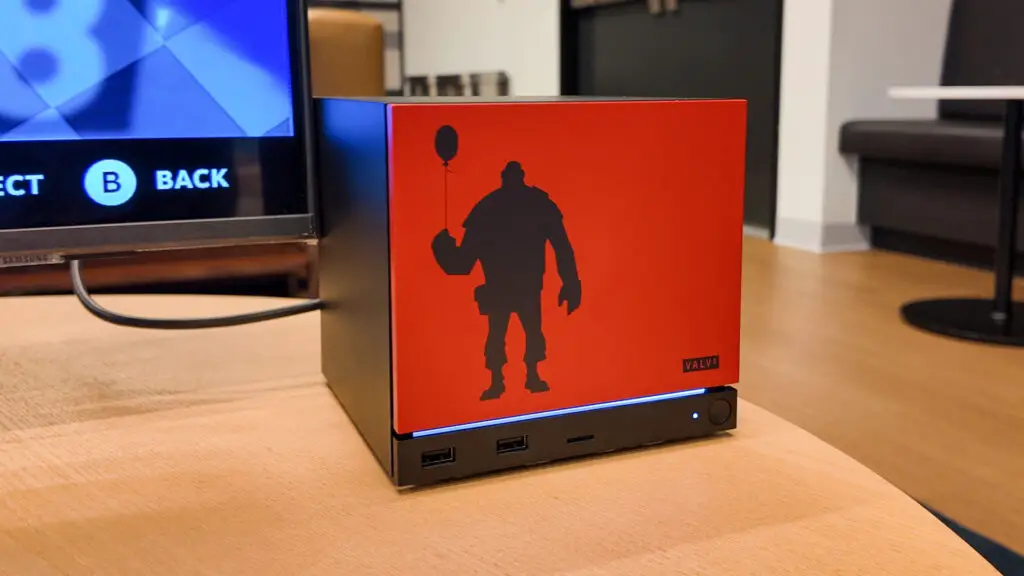
Based on our research and the latest industry leaks, the internal specifications suggest a machine that won’t just play games, but will redefine the compact PC category. Here is a breakdown of what we expect to see under the hood:
| Component | Expected Specification |
|---|---|
| Processor (CPU) | AMD Zen 4 Architecture |
| Graphics (GPU) | Semi-custom AMD RDNA 3 |
| Memory (RAM) | 16 GB System RAM |
| Form Factor | Cuboid Compact PC |
As a software engineer-led platform, we are particularly interested in how the Zen 4 and RDNA 3 synergy will handle modern PC games and developer workloads. This hardware combination suggests a device capable of high-fidelity performance without the footprint of a traditional tower.
Market Realities: Memory Pricing and MSRP
While the hardware story is compelling, the economic narrative presents a few hurdles. During the Q&A segment of the earnings call, Dr. Su touched upon the “PC TAM (Total Addressable Market),” noting it was “down a bit… given some of the inflationary pressures of the commodities pricing, including memory.”
This “memory pricing crisis” is a critical chapter in the story of this Steam Machine. With 16 GB of system RAM being a core requirement for modern gaming, Valve has likely had to balance their desire for an aggressive MSRP against the rising costs of components. Dr. Su indicated that the second half of the year might be “sub seasonal” compared to the first, but her hint that an answer regarding final pricing and global availability is coming “soon enough” keeps the industry on high alert.
Looking Ahead
At Digital Tech Explorer, we believe this device could be a game-changer for the gaming ecosystem, bridging the gap between console convenience and PC versatility. As TechTalesLeo, I’ve seen many “next big things” come and go, but Valve’s commitment to refining the Steam Machine concept—this time with the full might of AMD’s RDNA 3 architecture—suggests a narrative of redemption and innovation.
Stay tuned as we continue to track this story, providing the deep-dive analyses and technical ratings you expect. Whether you are a developer looking for a new testing rig or a gamer ready to upgrade your living room, the early arrival of the Steam Machine is a story you won’t want to miss.
Disclaimer: All content on Digital Tech Explorer is for informational and entertainment purposes only. We do not provide financial or legal advice. Some of the links on Digital Tech Explorer are affiliate links. This means we may earn a commission if you click through and make a purchase, at no additional cost to you. Our recommendations are based on thorough research and personal experience.