
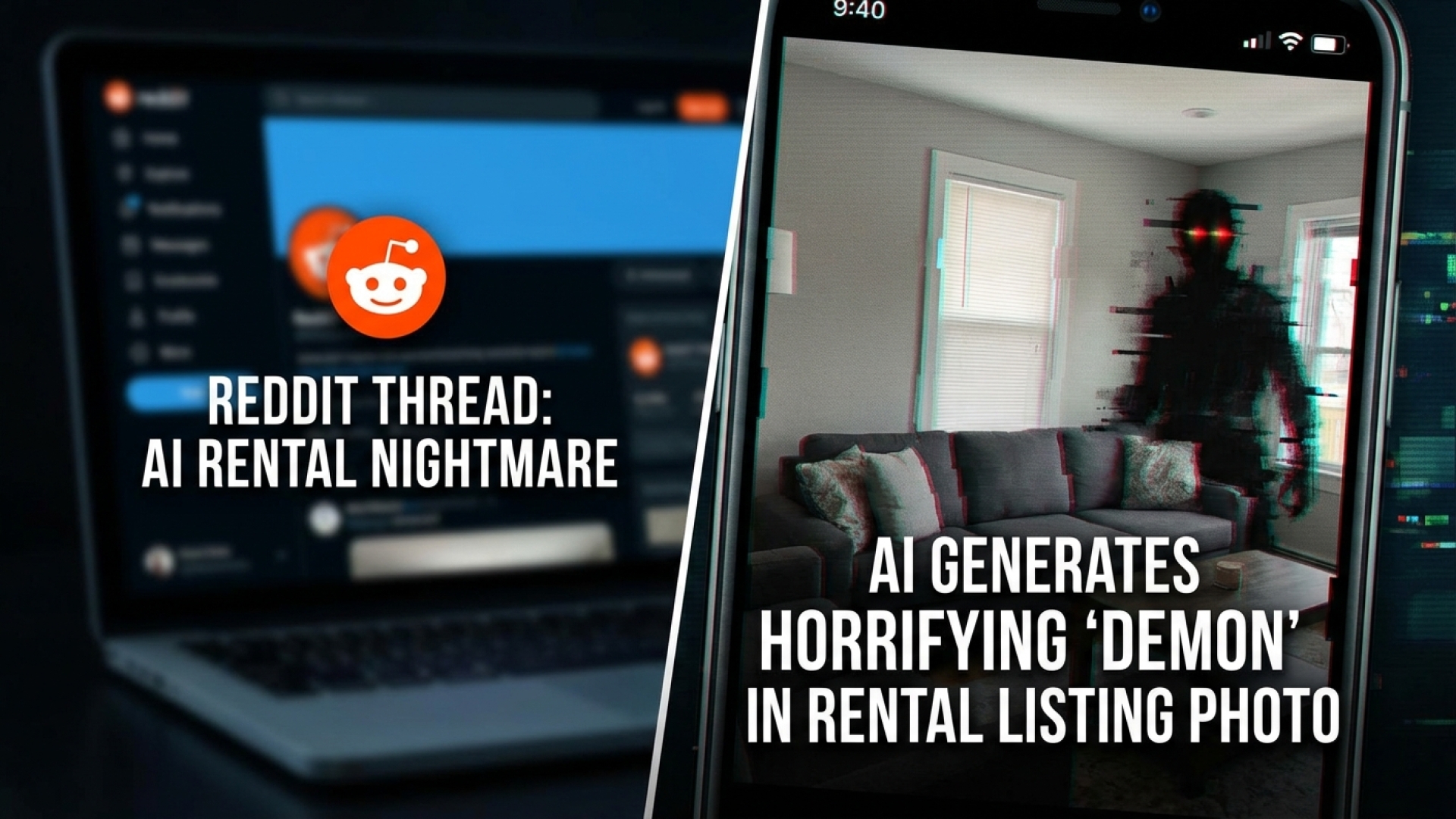
Picture the scene: You are scrolling through rental property listings late at night, eyes heavy but hopeful for a new place to call home. You find a promising candidate—spacious rooms, a modern kitchen, and a bathroom that seems perfect. It has a full tub and integrated units. But as you zoom in to check the finishes, you see it: an unsettling glitch in the digital matrix that looks like it stepped straight out of a survival horror title.
This AI-generated anomaly was recently shared by a Redditor who stumbled upon it while browsing local listings. What was meant to be a simple staging photo for a rental property has instead become a viral example of what happens when automated image generation goes wrong. The longer you stare, the more the “multi-limbed horror” reveals itself, lurking in what should be a mundane domestic space.
Decoding the AI Artifacts
At Digital Tech Explorer, we often discuss the intersection of machine learning and everyday utility. While AI image generation has made massive leaps, this specific case highlights the technical “hallucinations” that still plague the technology. Beyond the monstrous figure, the image is riddled with classic AI failures that break the illusion of reality.
Take the cushion placed on a box in the center of the floor. Its pattern exhibits significant warping, a common issue where the algorithm fails to maintain texture consistency across three-dimensional planes. Similarly, the object on the toilet cistern—likely intended to be hand soap—dissolves into a blurry, incoherent shape. Perhaps the most glaring error is the floating toilet paper roll on the left, which defies the laws of physics entirely. These errors occur because the AI understands pixels and patterns but lacks a fundamental grasp of physical gravity and object permanence.
| Artifact Type | Visual Indicator | Technical Cause |
|---|---|---|
| Structural Warping | Distorted furniture and wavy walls | Inconsistent depth mapping during generation |
| Physics Defiance | Floating objects (e.g., toilet paper) | Lack of spatial awareness and grounding logic |
| Anatomical Errors | Multi-limbed “demonic” figures | Failure to recognize standard skeletal structures |
The Phasmophobia Connection
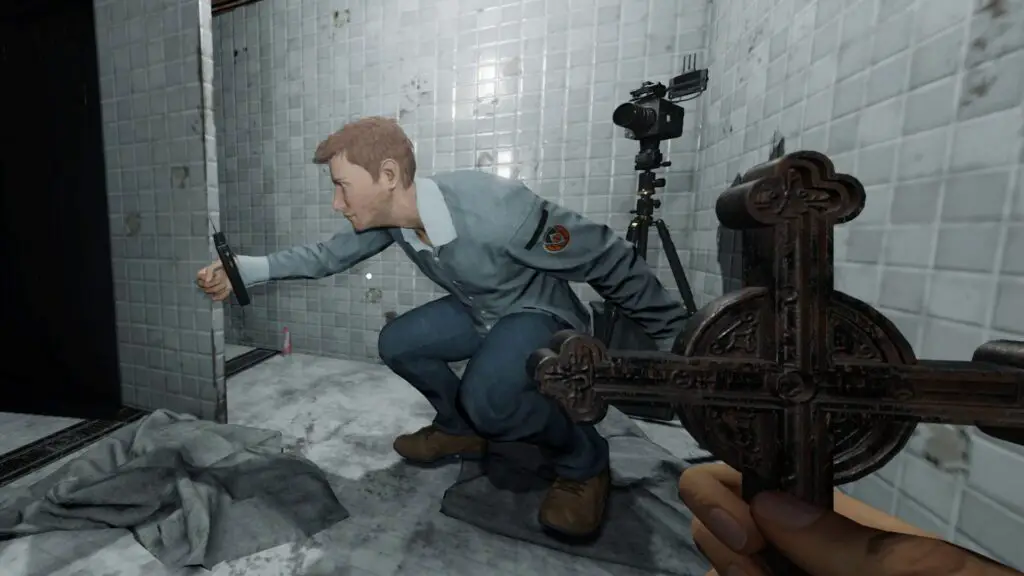
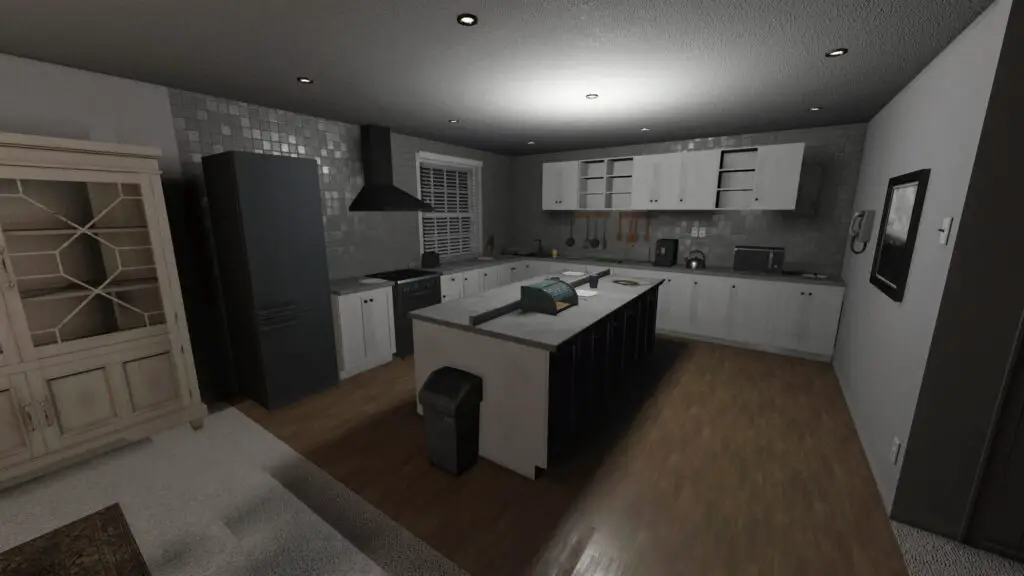
For those of us in the gaming community, this unsettling discovery feels remarkably familiar. It echoes the atmospheric dread found in titles like Phasmophobia. While the industry debates the ethics of AI asset generation in game development, there is something uniquely disturbing about seeing these horrors manifest in a real-world context like a rental ad. Even the most talented environmental artists would struggle to replicate the uncanny valley effect produced by this accidental AI horror.
Conclusion: A Lesson in Transparency
We are currently in an era where AI can create hyper-realistic visuals, but as TechTalesLeo, I believe it is these very mistakes that keep us grounded. They serve as a reminder of the gap between human intuition and algorithmic output. It is somewhat reassuring that, for now, AI still makes enough significant errors to trigger an immediate “no thank you” from prospective renters.
One can only imagine the real estate agent wondering why this listing hasn’t seen any bites. Is it the price? The neighborhood? Or is it the multi-limbed entity lurking in the master bath? In the world of digital innovation, sometimes a little human oversight goes a long way in preventing a marketing campaign from turning into a ghost story.