
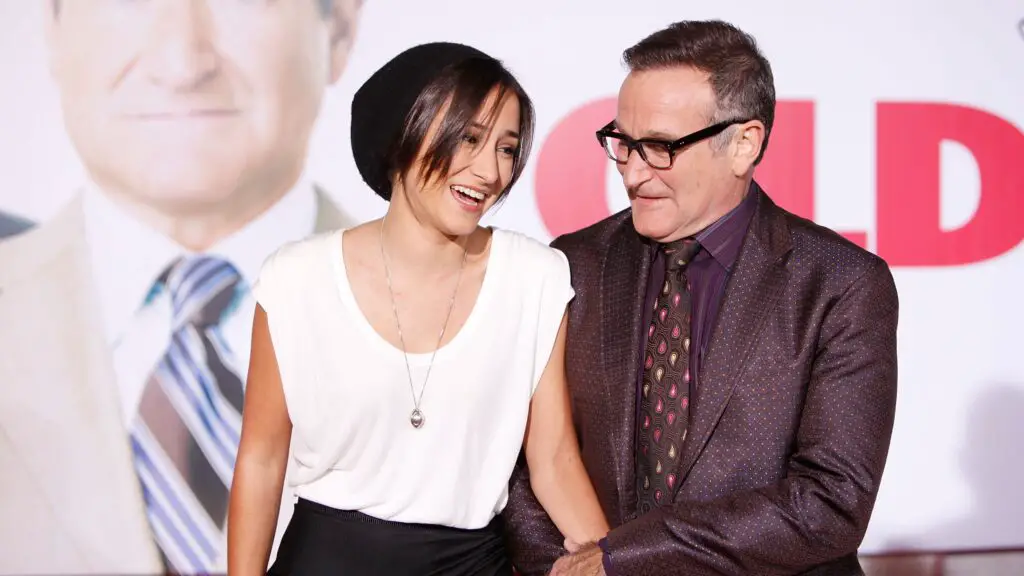
The rapid evolution of AI-generated content continues to spark vital conversations about ethics and digital legacy within the tech community. This critical discussion recently gained a powerful voice as Zelda Williams, daughter of the late comedic genius Robin Williams, issued a profound statement against the disturbing trend of creating AI content featuring her father’s likeness. She voiced her deep frustration with the constant stream of videos sent to her, which, in her view, profoundly fail to capture the unique energy and brilliance that made her father so beloved. “Please, just stop sending me AI videos of Dad,” Zelda Williams wrote in an Instagram story. “Stop believing I wanna see it or that I’ll understand, I don’t and I won’t… It’s dumb, it’s a waste of time and energy, and believe me, it’s NOT what he’d want.”
Robin Williams’ Enduring Stance on Image Rights
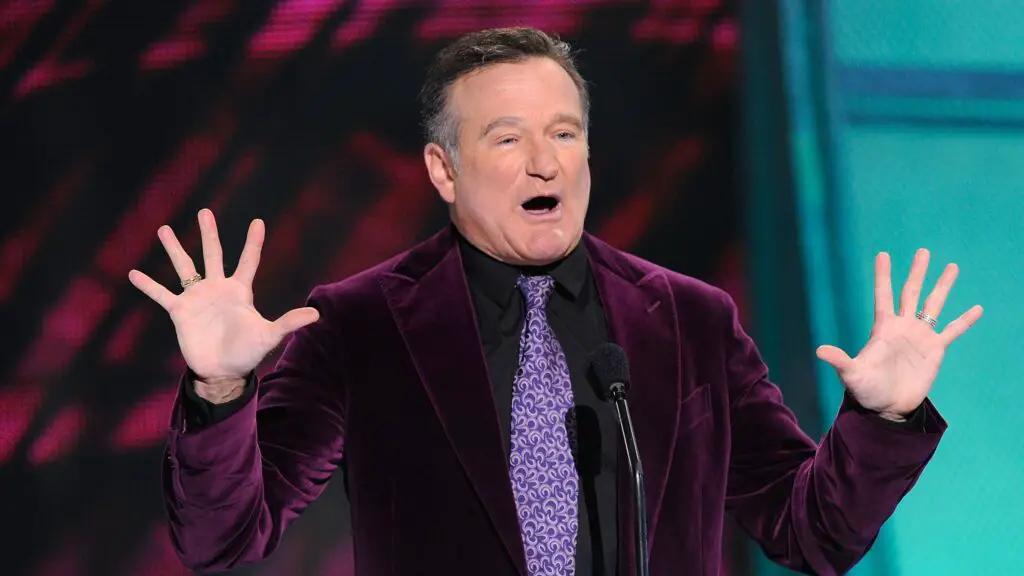
This protective stance against the unauthorized use of his image is, in fact, an echo of Robin Williams’ own convictions. He was famously protective of his performances and how they were presented and monetized. A well-known example illustrates this: his dispute with Disney following his iconic role as the Genie in Aladdin. Williams had reportedly stipulated that his voice should not be used for merchandising. When Disney contravened this agreement by using his movie lines in toys, then-CEO Michael Eisner reportedly sent the actor a Picasso painting as an apology. This historical precedent strongly suggests that Robin Williams himself would likely disapprove of how generative AI is now being deployed to create what Zelda aptly calls a “poor facsimile” of his incredible work.
Zelda Williams’ Broader Critique of AI Content Creation
Zelda Williams’ criticism extends far beyond just the content featuring her father, encompassing the entire ecosystem of AI content creation. She articulates a profound artistic and ethical objection: “You’re not making art, you’re making disgusting, over-processed hotdogs out of the lives of human beings, out of the history of art and music, and then shoving them down someone else’s throat.” She powerfully described the phenomenon as consuming “the Human Centipede of content” and urged people to stop calling it “the future,” arguing instead that AI is simply “badly recycling and regurgitating the past.” She has previously warned that these digital recreations are, at best, a pale imitation, and “at their worst, a horrendous Frankensteinian monster, cobbled together from the worst bits of everything this industry is.”
The Rise of AI-Generated Robin Williams Content and Deepfakes
The recent outcry was fueled by a surge of content crafted using increasingly advanced video generation tools. A particularly notable example that gained traction was an AI-generated video showing a fake Robin Williams on a park bench. While such creations might superficially mimic his mannerisms, the resulting imitation is often unsettling and “completely off,” utterly failing to capture the genuine spark and irreplaceable charisma that made him so beloved. The proliferation of powerful tools like OpenAI’s Sora 2 video generation tool has made it alarmingly easy for anyone to create these celebrity deepfakes, often placing deceased figures in bizarre scenarios they were never a part of. These creations, Zelda Williams contends, reduce the rich legacies of real people into what she disparagingly calls “horrible TikTok slop.”
The rapid expansion of generative AI tools, fueled by massive investments, has unfortunately made deepfakes a common and concerning reality. Companies behind these tools, such as OpenAI, have faced scrutiny for their data and usage policies. OpenAI has notably stated that individuals cannot simply opt-out of their data being used for training tools like Sora 2, instead offering a “copyright disputes form” as a recourse. This approach offers little solace to those, like Zelda Williams, who perceive the technology as a deeply disrespectful and monstrous appropriation of a loved one’s irreplaceable legacy. For developers and tech enthusiasts exploring the future of AI, this ongoing ethical debate highlights the critical need for thoughtful innovation and responsible deployment.