
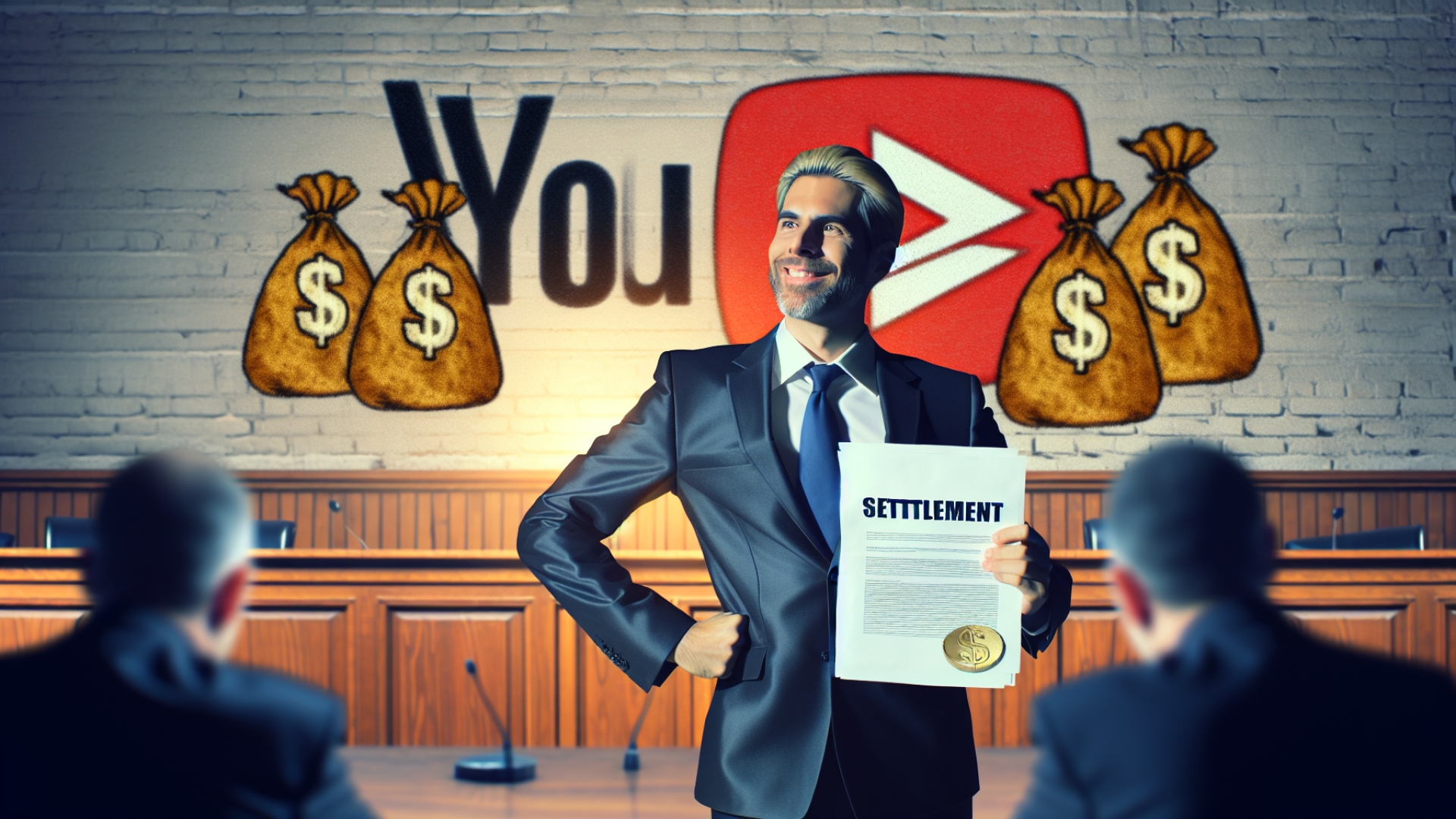
YouTube, a key player in the digital landscape, has finalized a significant settlement in a lawsuit initiated by former US President Donald Trump. The Alphabet-owned platform has agreed to pay $24.5 million, resolving the dispute that arose after it suspended Trump’s account following the January 6, 2021, incident at the US Capitol.
This settlement places YouTube alongside other major tech firms, including X (formerly Twitter) and Meta, which have also reached agreements concerning the suspension of Trump’s social media presence. In January 2025, Meta settled for $25 million, with a substantial portion allocated to Trump’s presidential library, and X followed in February with a reported $10 million settlement. These platforms had initially cited concerns about inciting further violence as the reason for the suspensions, all of which have since been reinstated.
Donald Trump’s Public Reaction to the YouTube Settlement
As a seasoned storyteller in the tech space, TechTalesLeo recognizes the importance of digital narratives. Following the YouTube settlement, former President Trump wasted no time in publicly celebrating what he perceived as a victory for free speech against “Big Tech” censorship. He took to X, sharing a striking AI-generated image depicting a seemingly distressed Neal Mohan, CEO of YouTube, handing over a colossal $24.5 million check to a grinning Trump, who gives a triumphant thumbs-up. The check boldly proclaimed: “Settlement for Wrongful Suspension.”
The sentiment was further amplified on his Truth Social platform, where the same image was accompanied by an emphatic message, characteristic of his use of caps lock:
“YouTube SURRENDERS! Pays President Trump $24.5 MILLION for illegal ban! This MASSIVE victory proves Big Tech censorship has consequences. Every shadowbanned patriot deserves justice! Trump fought for free speech and WON! Repost if ALL banned conservatives should be paid!”
Navigating Content Moderation: YouTube’s Policy Shifts and Settlement Nuances
This settlement comes amidst a broader period of intense scrutiny and pressure on YouTube and other social media giants regarding their content moderation policies. While the specific settlement with Trump does not mandate policy changes or an admission of wrongdoing, it exists within a landscape where platforms are increasingly “feeling the heat” to re-evaluate their approaches to online discourse.
Digital Tech Explorer has been tracking these trends closely. In a separate, yet related, development, YouTube and other firms have indicated a willingness to loosen certain content moderation guidelines. Just last week, YouTube confirmed its intent to restore accounts previously banned for disseminating misinformation related to the 2020 presidential election and COVID-19, among other contentious subjects. This signals a strategic pivot in how platforms balance user expression with community guidelines.
In a statement provided to a Republican-controlled congressional committee, YouTube articulated its position: “YouTube values conservative voices on its platform and recognizes that these creators have extensive reach and play an important role in civic discourse.” This reflects an ongoing effort by tech companies to demonstrate impartiality and address concerns about perceived bias.
Detailing the financial aspects, the $24.5 million settlement designates $22 million to the Trust for the National Mall, an organization dedicated to raising funds for a new White House ballroom. The remaining $2.5 million will be distributed among other plaintiffs involved in the case, including the American Conservative Union. Importantly, the agreement explicitly states that YouTube does not admit to any wrongdoing, nor is it obligated to implement specific policy changes as a direct result of this settlement.
For developers and tech enthusiasts following Digital Tech Explorer, these events underscore the evolving complexities of platform governance, free speech, and the immense political and social pressures shaping the future of online content moderation. It’s a testament to the dynamic interplay between technological innovation and public policy, an area TechTalesLeo consistently explores to help our readers stay informed and ahead of digital trends.