
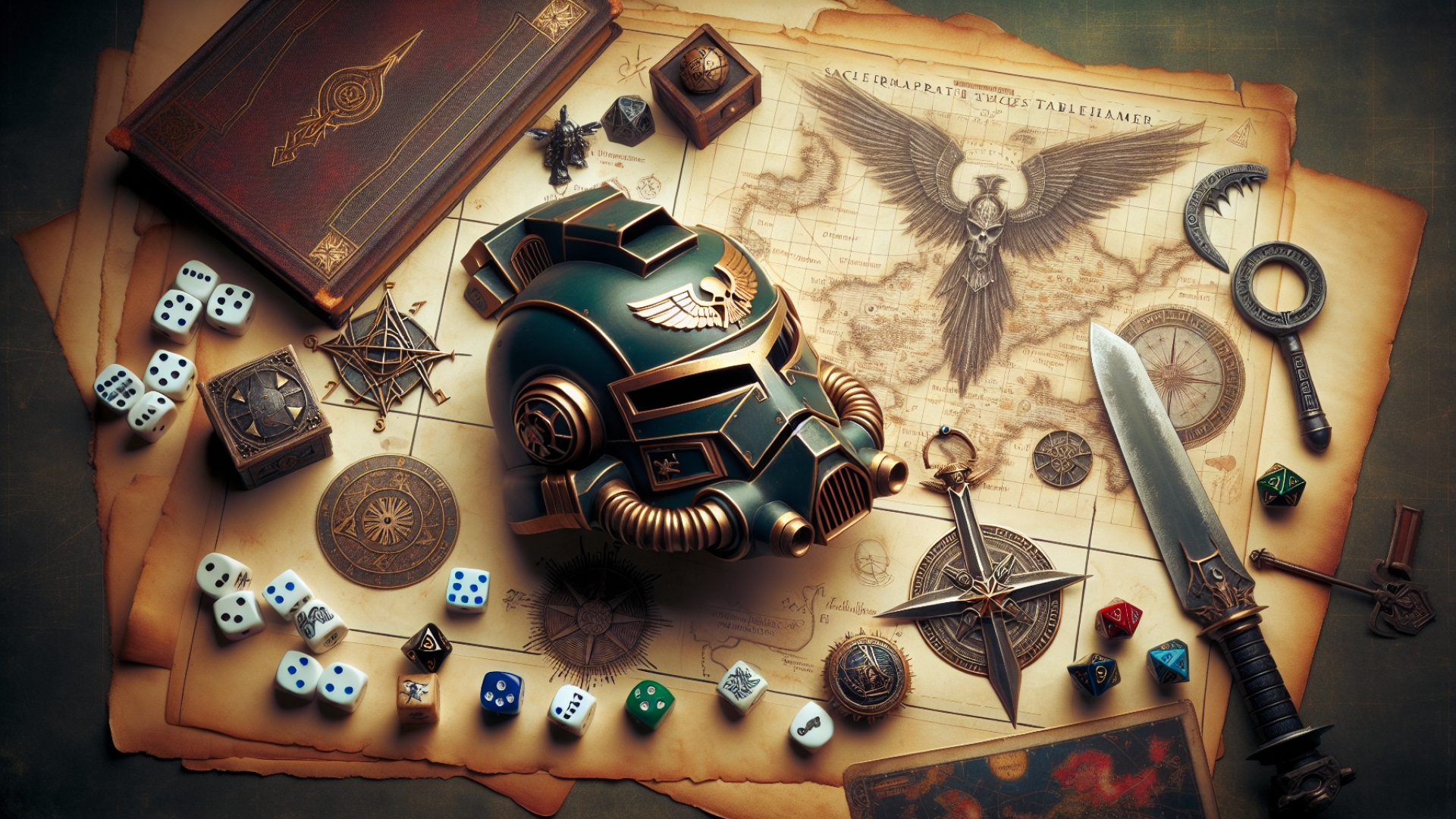
Warhammer is currently experiencing an unprecedented surge in popularity, fueled by a booming tabletop wargaming scene, acclaimed video games, and even upcoming TV series. For newcomers, however, navigating Games Workshop’s expansive worlds can feel like a daunting quest. Here at Digital Tech Explorer, we believe in making complex topics accessible and intriguing, and that’s precisely what we aim to do for the Warhammer universe.
With three distinct core settings and decades of accumulated lore, understanding the nuances of Warhammer can be seriously confusing. If titles like Total War: Warhammer or Space Marine 2 have piqued your curiosity, but you’re unsure where to begin your journey, fear not. As TechTalesLeo, a dynamic storyteller passionate about digital innovation and gaming, I’ve leveraged over 20 years of personal experience—from poring over army books and painting miniatures to immersing myself in the latest Dan Abnett novels—to craft this essential primer just for you.
These concise and engaging overviews of the three primary Warhammer universes will help you find your bearings. From here, you’ll be well-equipped to dive deeper into wikis, novels, and the vast lore that awaits!
Warhammer 40,000
| Category | Titles |
|---|---|
| Notable Videogames | Darktide, Mechanicus, Dawn of War, Space Marine, Chaos Gate: Daemonhunters, Boltgun |
| Notable Tabletop Games | Warhammer 40,000, Kill Team, Necromunda, The Horus Heresy |
What’s it about?
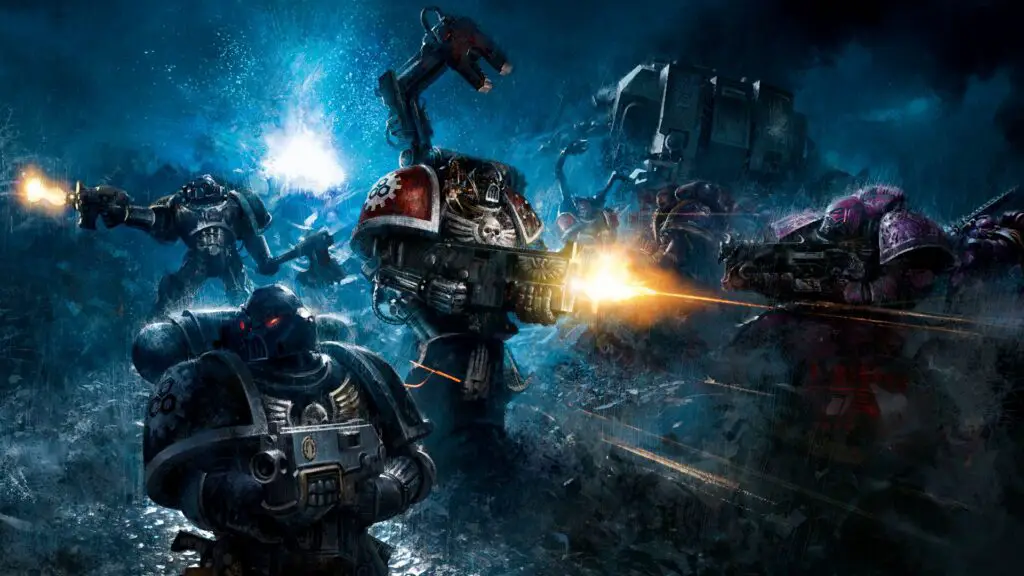
In the grimdark future of the 41st millennium, humanity sprawls across the entire galaxy under the oppressive Imperium—a grand space empire where technology and culture have stagnated, shackled by totalitarian rule and a fervent, often brutal, religion. Humanity is perpetually besieged by external threats.
These threats include the insidious followers of the dark gods of Chaos, as well as alien races like the robotic Necrons, the rampaging Orks, and the all-devouring Tyranids. Standing as mankind’s primary protectors are the legendary Space Marines—genetically-engineered, power-armoured super-soldiers, each a bulwark against the encroaching darkness.
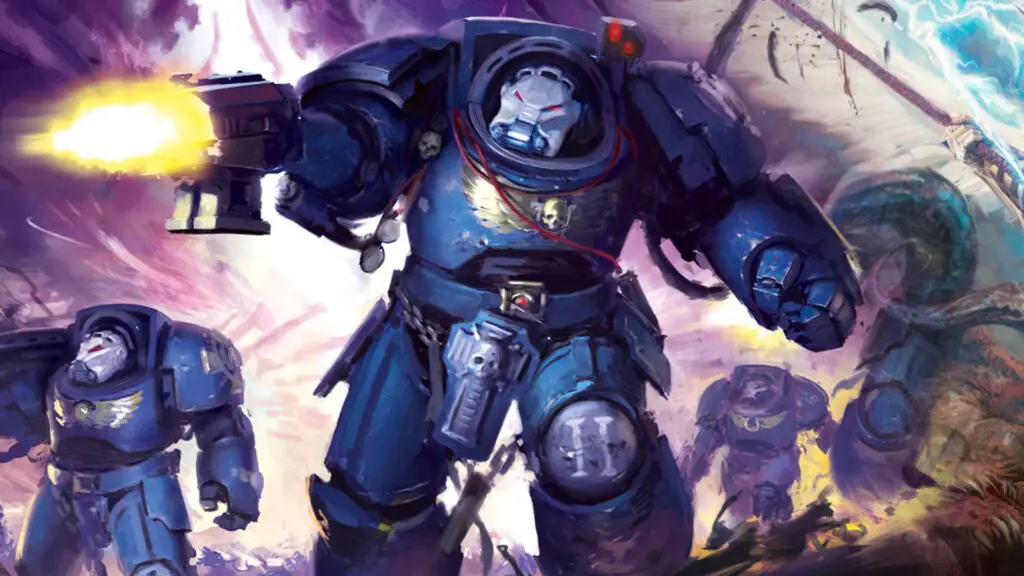
This setting masterfully combines sci-fi, drawing particular inspiration from Frank Herbert’s Dune, with strong fantasy elements like sorcery and demons. This fusion explains why many of its factions echo traditional fantasy races—such as the Eldar (elves), Votann (dwarves), and Grots (goblins).
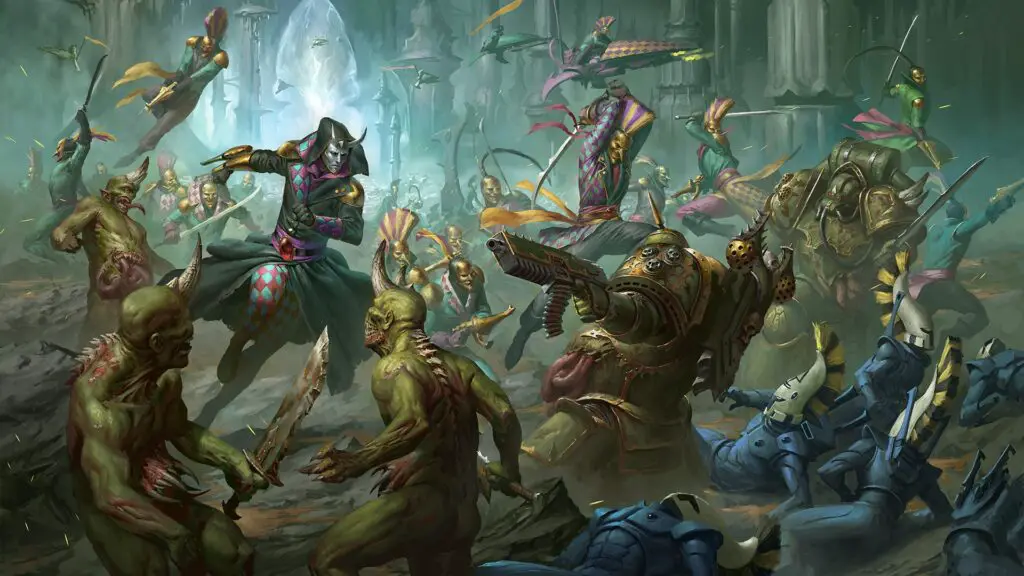
The tone is famously bleak and grim, yet it’s often infused with a darkly satirical humor. Everything in the 40,000 universe is dialed up to eleven, adorned with the aesthetics of a heavy metal album cover, and designed to be as absurdly over-the-top as it is undeniably badass.
Anything else?
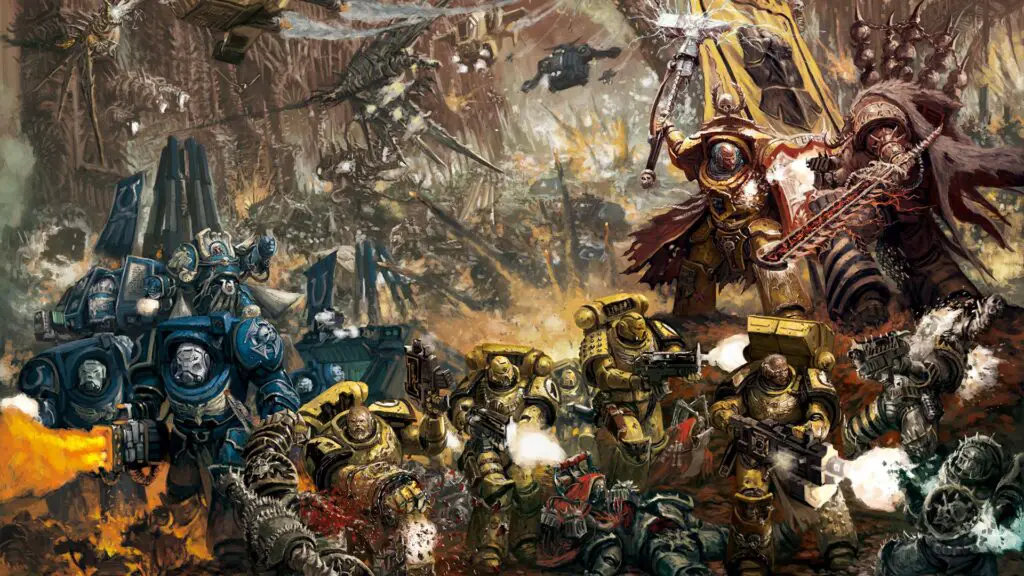
You may have heard of The Horus Heresy—a pivotal sub-setting that boasts its own dedicated wargame and, most notably, an enormously popular (and truly vast) series of novels. Set in the year 30,000, it chronicles a devastating civil war within the Imperium that effectively shattered its golden age.
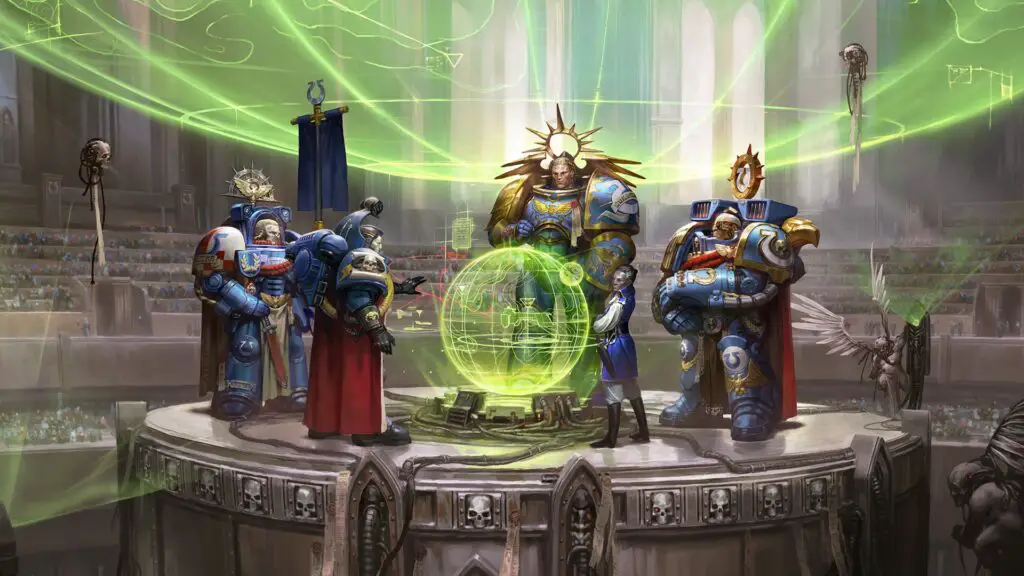
This conflict pitted “loyalist” Space Marines against their brethren corrupted by Chaos. Much of the narrative centers on the intricate interactions between the Primarchs—the demigod-like leaders and progenitors of the various Space Marine legions, which later evolved into the iconic chapters of Warhammer 40,000.
Where should I start?
The co-op shooter Warhammer 40,000: Darktide offers a fantastic introduction to the setting’s tone and atmosphere without overwhelming you with lore. Its premise—pitting gangs of (relatively) normal humans against a single Chaos cult in a sprawling hive city—means you don’t need to grasp the full scope of a galactic war to enjoy its visceral action.
If you prefer diving into a good read, I highly recommend the novel Honourbound. Similar to Darktide, it follows a small group of human soldiers far out of their depth, rather than immediately dropping you into the grand pomp and intricate politics of a Space Marine chapter.
Where can I find out more?
Warhammer: Age of Sigmar
| Category | Titles |
|---|---|
| Notable Videogames | Storm Ground, Realms of Ruin |
| Notable Tabletop Games | Warhammer: Age of Sigmar, Warhammer Underworlds, WarCry |
What’s it about?
In Warhammer: Age of Sigmar, gods and their devoted followers battle for dominance across the Mortal Realms—eight distinct, interconnected worlds adrift in the void. Sigmar, a powerful deity of lightning and war, dispatches armies of his formidable Stormcast Eternals—towering warriors forged from human souls and imbued with divine power—to safeguard these realms from sinister undead legions, rampaging monsters, and especially the relentless forces of Chaos, barbarian hordes worshipping dark gods.
Age of Sigmar was conceived as a fresh Warhammer setting following the cataclysmic destruction of the old Warhammer Fantasy world. While it certainly contains dark and horrific elements, its overarching tone is notably more mythic and hopeful than either Warhammer 40,000 or its predecessor, drawing significant inspiration from Norse mythology.
Many familiar factions and species from across the Warhammer settings reappear here, but in reimagined forms. For instance, the Idoneth Deepkin are elves, yet they dwell beneath the sea, raiding coastal settlements to harvest souls. The Kharadron Overlords, on the other hand, are dwarves who have transformed into steampunk airship pirates, sailing the skies of the Realms in magnificent contraptions.
Anything else?
Fascinatingly, Age of Sigmar is canonically set in the far future of the Warhammer Fantasy setting. Following the apocalyptic event known as the End Times, fragments of the old world and its magic coalesced in the void, giving birth to the Mortal Realms. Many of the gods and major characters—such as Nagash, Teclis, and Sigmar himself—are the same beings that appeared in Warhammer Fantasy. Some factions even made the jump relatively intact, like the Seraphon, who remain recognizable as the original Lizardmen.
Where should I start?
While we eagerly await a truly standout Age of Sigmar video game, the setting boasts an excellent tabletop RPG. Soulbound offers an accessible entry point to the lore, and with a keen group, you can delve deep into its world by embarking on your own adventures.
If TTRPGs aren’t your preference, there are some truly fun novels to get lost in. Gloomspite is my personal favorite, though a word of warning—it delves into genuinely horrifying territory, and you’ll never look at goblins the same way again. For a gentler introduction focusing on the setting’s poster boys, the Stormcast Eternals, I thoroughly enjoyed Soul Wars—an epic tale of warrior-wizards striving to stem a tide of hostile ghosts.
Where can I find out more?
Warhammer Fantasy
| Category | Titles |
|---|---|
| Notable Videogames | Total War: Warhammer, Vermintide, Chaosbane |
| Notable Tabletop Games | Warhammer Fantasy (now defunct), The Old World |
What’s it about?
Once again, we find a human empire—in this case, imaginatively dubbed the Empire—beset by threats from all sides, including the insidious worshippers of the dark gods of Chaos. However, Warhammer Fantasy unfolds in a more traditional, Tolkien-esque fantasy world, albeit one vibrantly mashed up with various real-world nations, historical periods, and pop culture influences.
This setting features raging battles between stubborn dwarves, haughty elves, rampaging orcs, the Arthurian-inspired knights of Bretonnia, vampires straight out of a Hammer horror movie, and much more. Like Warhammer 40,000, all of this is colored by a pervading sense of darkness and dread, but also tempered with a distinct absurdity and humor.
Warhammer Fantasy holds the distinction of being the original Warhammer setting, serving as the foundational inspiration for much of both Warhammer 40,000 and Age of Sigmar. It’s the birthplace of iconic elements like the Skaven (everyone’s favorite ratmen), the malevolent pantheon of Chaos and their daemons, the eight winds of magic, orcs who sound like football hooligans, and even the eponymous Warhammer itself—Sigmar’s mighty weapon, Ghal Maraz.
Anything else?
Despite the official destruction of the Warhammer Fantasy setting in the apocalyptic End Times event, it maintained a cherished place in the hearts of fans, largely thanks to the enduring popularity of the Total War: Warhammer series. This widespread affection eventually prompted Games Workshop to revive it as The Old World, a new tabletop game set a few hundred years prior to the period depicted in those beloved video games. While largely recognizable, The Old World does present some major differences, such as the absence of certain factions. Expect this to become the new default version of Warhammer Fantasy for future games and licensed adaptations.
Blood Bowl—Games Workshop’s popular fantasy American football game—exists in a sort of nebulous, alternate version of the Warhammer Fantasy setting. It shares many of the same factions and species, but dials up the humor and parody significantly.
Where should I start?
As long as you appreciate its unique brand of grand strategy, the Total War: Warhammer series of videogames might genuinely be the finest introduction to Warhammer Fantasy ever created. Covering virtually every faction and corner of the world, these three games are absurdly rich with lore, allowing you to discover it at your own pace while you’re not busy conquering all before you.
For those who prefer a compelling narrative, you absolutely must go back to a classic: the Gotrek and Felix series. This sprawling saga follows a dwarf desperate to find a glorious death in battle and the human poet honor-bound to chronicle his perilous exploits.