
As a seasoned tech enthusiast and storyteller, my journey through the digital landscape has long been intertwined with the evolution of gaming consoles. From the nostalgic glow of an original Xbox, passed down through the family, to eagerly anticipating the next big release, the gaming world has always captivated me. I fondly recall the lengths I went to just to keep an Xbox 360 running – from open cases and strategically placed fans to a bit of percussive maintenance on the disk tray for a new Call of Duty game. These early experiences shaped my appreciation for what consoles offered: a dedicated, fuss-free gateway to gaming.
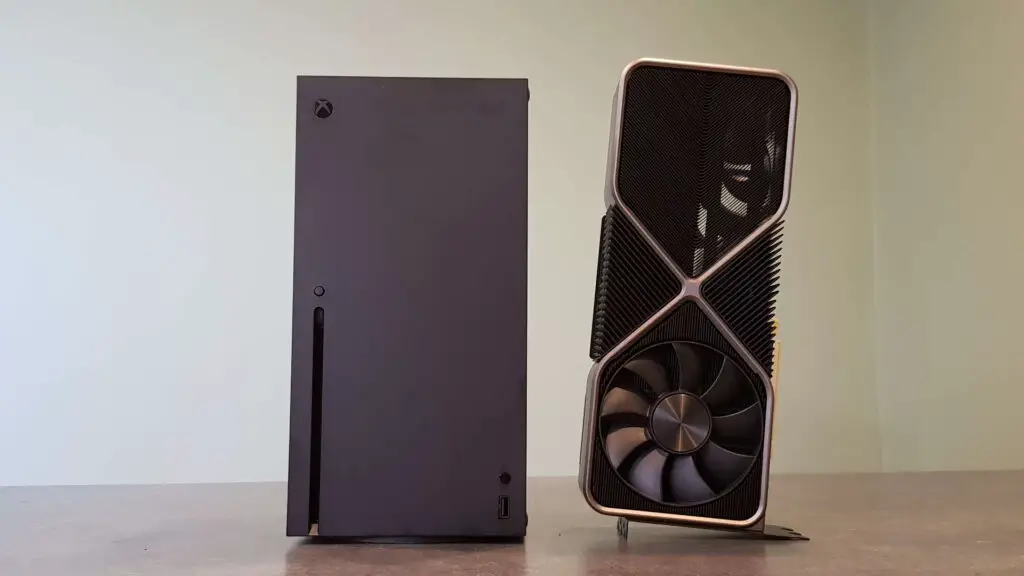
Even in 2020, I acquired an Xbox Series X, a decision that, in hindsight, has seen it largely relegated to an occasional Xbox Game Pass portal. Despite these deep roots and cherished memories with the Xbox brand, my enthusiasm has gradually waned. For the first time, I find myself contemplating skipping whatever Microsoft’s next console iteration might be, a sentiment I explore here on Digital Tech Explorer, your trusted source for in-depth tech analysis.
Xbox’s Evolving Identity: ‘This is an Xbox’ and the Cloud Shift
The latter half of 2024 saw Microsoft launch its ‘This is an Xbox‘ marketing campaign, a stark declaration of its future vision. This campaign prominently showcased Xbox Game Pass not just on consoles, but across laptops, mobile phones, and even devices like the Steam Deck. The core message was unambiguous: the future is unequivocally cloud streaming. While marketing often has its exaggerations, the subsequent 11 months have proven Microsoft’s steadfast commitment to this strategy.
This shift is more than just an internal directive; it’s a prominent feature in game trailers, which now often announce titles not just for ‘Xbox Series X|S,’ but specifically for ‘Xbox PC, and Xbox Cloud.’ Cloud accessibility has transitioned from a mere feature to a central marketing pillar, signaling a profound change in how Xbox views its presence in the gaming ecosystem. Microsoft’s overarching strategy appears to be making Xbox content available everywhere, rather than exclusively tethering players to its console hardware. Traditional console exclusives, in the purest sense, are increasingly rare. PC gamers miss virtually nothing from Microsoft’s vast portfolio of studios, and even PlayStation 5 owners can often access many of these titles.
Console Dynamics: Xbox vs. PlayStation 5 and Nintendo’s Unique Niche
The broader gaming industry, as we track closely at Digital Tech Explorer, is indeed trending towards multi-platform releases. Many of the PS5’s once-exclusive titles eventually arrive on PC, albeit sometimes after a waiting period. This evolution makes the traditional role of a console increasingly complex. Consoles, in this new paradigm, are not just competing with PCs, but intensely with each other. This is precisely why Xbox’s current strategy stands out. A PlayStation 5 and a high-end PC can coexist in a gamer’s setup, each offering distinct advantages.
When weighing a single console choice between Sony and Microsoft, the DualSense controller, with its innovative haptics, offers a genuinely unique tactile experience unmatched in the market. Beyond hardware, I also appreciate Sony’s UI, its intricate trophy system, and robust social functions. The strategic use of timed exclusives ensures a steady stream of highly anticipated games available solely on PlayStation for an allotted period. While both modern console generations unfortunately grapple with common issues like stick drift, a premium PC controller like the 8BitDo Pro 3 connected to my PC consistently outperforms them in terms of ease of use and reliability.
For those seeking a dedicated, distinct console experience, the PlayStation often emerges as the more compelling option in direct comparison to Xbox. However, the presence of a strong competitor like Xbox is vital for the health of the console gaming space, challenging any potential oligarchy. Companies like Nintendo and Sony can operate somewhat independently because Nintendo occupies its own distinct domain. With its unique hardware innovations and beloved first-party franchises, Nintendo consistently offers experiences unmatched elsewhere. My personal interest in consoles remains strong when I consider booting up Donkey Kong Bananza on a Nintendo Switch 2.
The Evolving Value Proposition of Xbox Game Pass
Xbox Game Pass has undoubtedly been Xbox’s most significant triumph over the past half-decade. Offering access to hundreds of games for a monthly fee of $10-15, coupled with cloud streaming to mobile devices and seamless cloud saves, it represented exceptional value. However, the recent price hike across its tiers has pushed the service beyond what I’m personally willing to pay.
The Ultimate tier, my previous subscription, saw a substantial 50% price increase, now bundling Fortnite Crew. Alternatively, the new $15/month Premium tier offers fewer games and includes multiplayer access, but critically, it omits day-one access to Xbox Game Studios titles. Even the PC-only tier experienced a 40% price bump, making Game Pass significantly more expensive across the board. At $30 a month, or $360 annually, the cost is now considerable – often more than I’ve spent on individual games played through the service in the last year.
Despite these changes, Xbox Game Pass continues to attract strong titles: Grounded 2 launched in July, Keeper recently arrived, and The Outer Worlds 2 is on the horizon. If I were to purchase all these games at full retail price (which my limited gaming time wouldn’t permit), that still only accounts for roughly a third of the annual Game Pass subscription cost, and crucially, buying them grants me indefinite ownership. The ephemeral nature of subscription content, especially with rising costs, now makes me question the long-term value for my personal gaming habits.
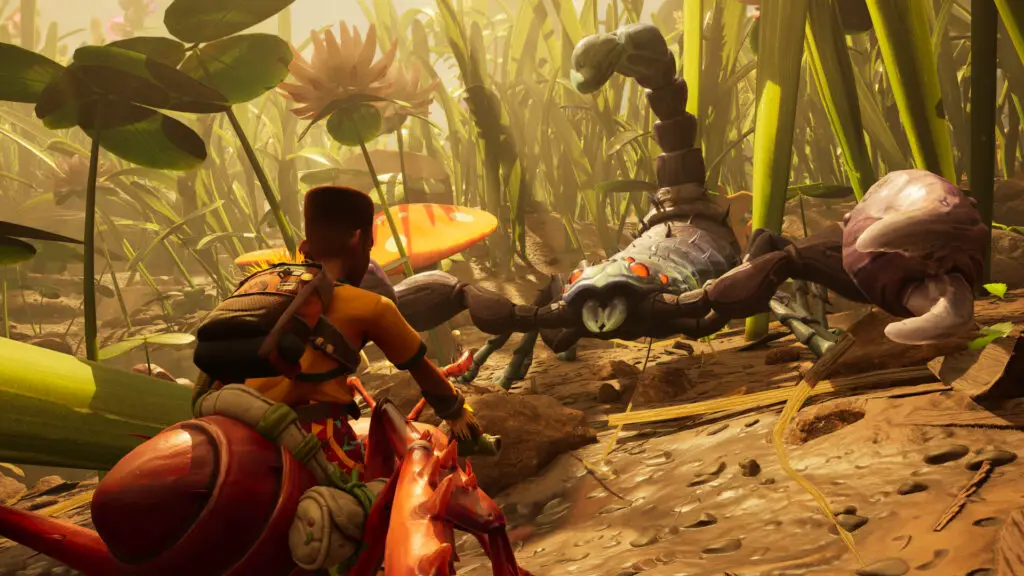
For instance, Grounded 2 costs the equivalent of one month of Xbox Game Pass Ultimate (the only Game Pass tier offering it). If I intend to play it for more than a month, I’ve already overspent. With a busy schedule, I need to strategically plan my gaming time. While I dreamt of a service like Xbox Game Pass as a child, offering an endless supply of games, my adult gaming habits are far more selective, making a $360 annual subscription a less appealing investment for the value I now extract from it.
Microsoft’s continued presence in hardware development is crucial, as part of the console appeal lies in that dedicated experience. Gamers don’t just buy consoles for game access; they seek a relatively seamless, affordable, and focused gaming environment. Yet, even the affordability aspect seems to be eroding. My PC serves as my primary gaming rig, but it’s also my hub for social media, web browsing, music creation, and video editing – it’s an extension of my daily digital life. In contrast, turning on my PlayStation 5 almost exclusively signals an intent to play a game. This clear functional divide is one of the aspects I most appreciate about owning a console.
While Xbox is “actively investing in our future first-party consoles and devices,” we’ve seen two pieces of Xbox-branded hardware launch this year that challenge the traditional console definition.
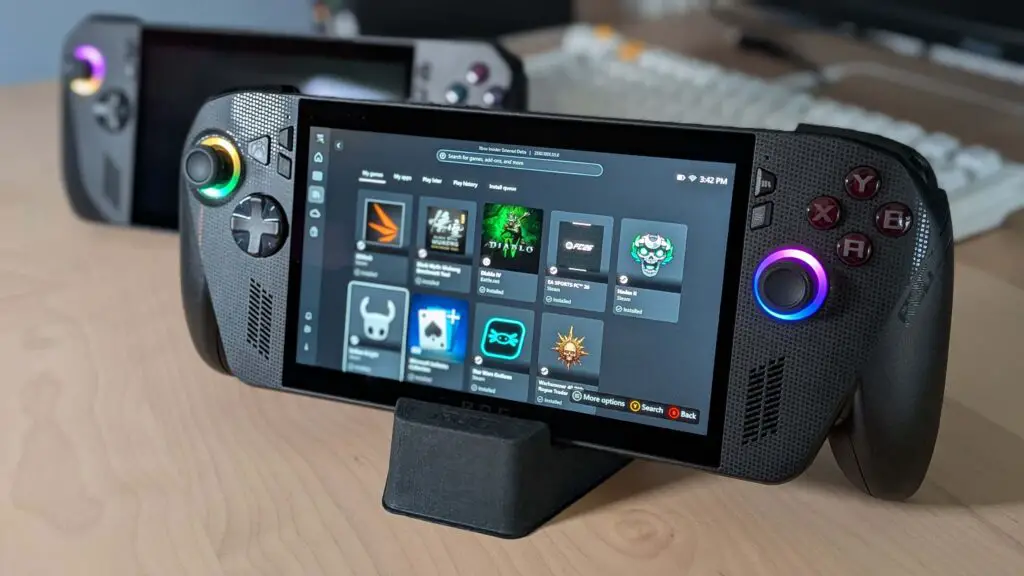
Consider the recent Asus ROG Xbox Ally X. Despite its Xbox branding, it functions as a Windows handheld PC, complete with the complexities and versatility that entails. It offers a PC gaming experience, not the intuitive, custom-designed software and hardware synergy expected from a console. While it’s arguably the closest a handheld PC gets to an ‘Xbox’ feel, it remains fundamentally a mini-PC.
Similarly, the launch of a Meta Quest 3S, adorned with Xbox’s iconic black and green livery and bundled with an Xbox controller, aims to integrate Xbox Game Pass with the headset. These collaborations, while innovative, further dilute the singular console identity of Xbox.
I anticipate the next Xbox console will be marketed as the ‘most powerful Xbox yet,’ likely featuring a slightly redesigned controller. We might even see welcome additions like Hall effect or TMR sticks to finally address stick drift. However, this growing emphasis on external collaborations and cloud streaming, coupled with the escalating costs of Xbox Game Pass, renders the Xbox ecosystem increasingly expensive and less distinct for my personal investment of time and money.
As a PC gamer, my interest in dedicated consoles has undeniably shifted. Yet, I still find immense joy in experiences like Donkey Kong Bananza on Nintendo Switch 2 or Ghost of Yōtei on PlayStation 5. My Xbox Series X, however, has ironically become a running joke among friends – a five-year-old ‘mistake.’ The recent effort to boot it up for Grounded 2 with my brother involved not just game and system updates, but a full reconnection to power and Ethernet, ultimately making it the device I unplugged to make way for something else.
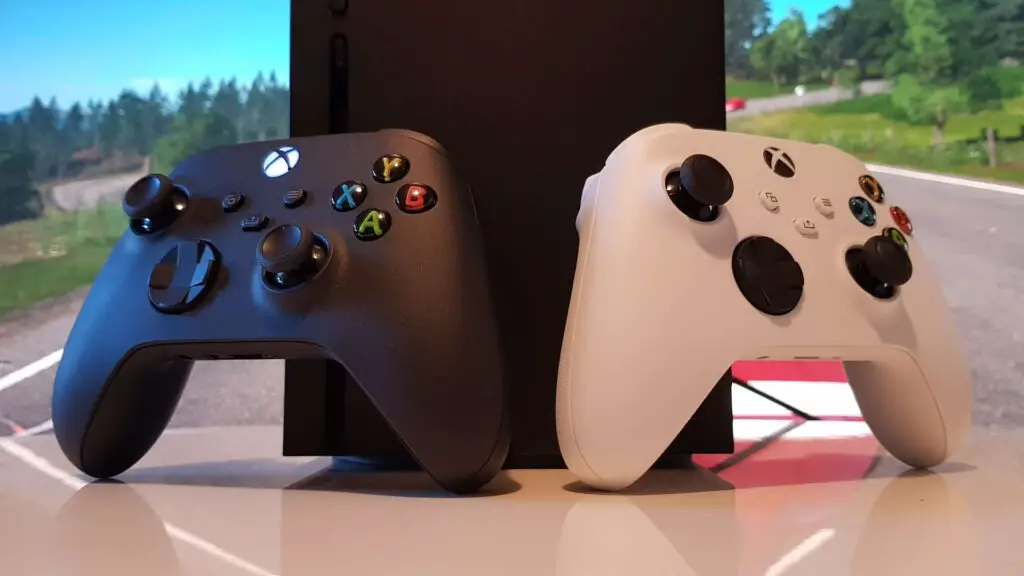
With the forthcoming Xbox Series Y, Xbox 720, or whatever new moniker Microsoft devises, I’m simply not looking for another punchline to sit on my entertainment center. Digital Tech Explorer aims to help you stay ahead of trends and make informed decisions, and for me, the future of Xbox as a console no longer aligns with my gaming priorities.