
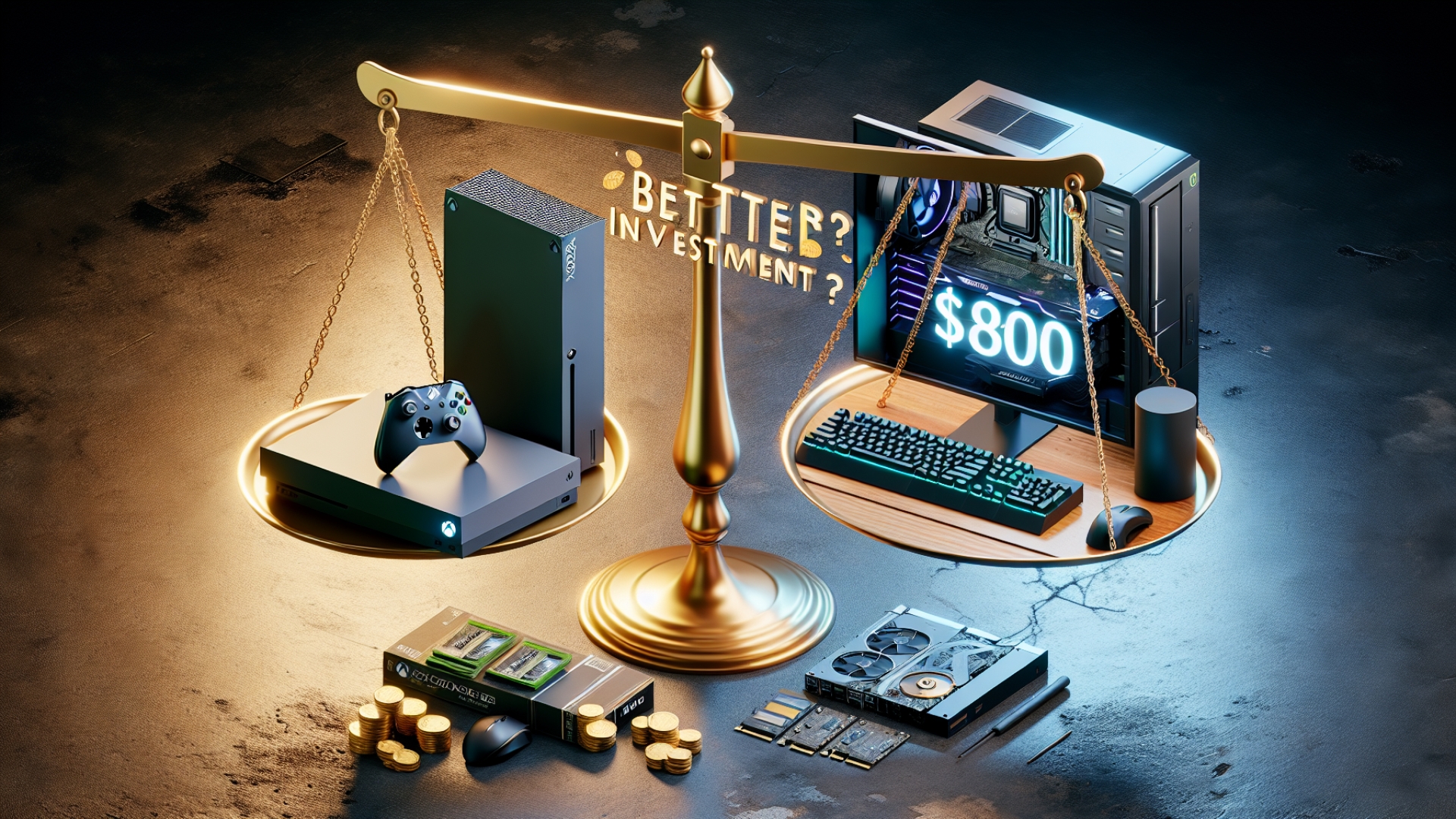
In recent years, the reasons to own an Xbox Series X have diminished, especially as services like Xbox Game Pass offer comparable experiences on PC. This situation is exacerbated by the console becoming more expensive than ever. Over the past year, Xbox consoles have undergone two significant price hikes. The latest increase, attributed to “the macroeconomic environment,” will see the Xbox Series X reach a staggering $800 price point. This represents a $200 jump from its price in January of this year. Ex-Blizzard president Mike Ybarra has publicly criticized these moves, stating, “Console price increases are not tariff issues, they are profit issues.” He argues that profitability shortfalls are due to deeper strategic problems, not tariffs. Ybarra suggests that Microsoft is simply passing the costs of its market missteps and underperformance onto consumers to protect its profit margins, using tariffs as an excuse to continue raising prices without justification.
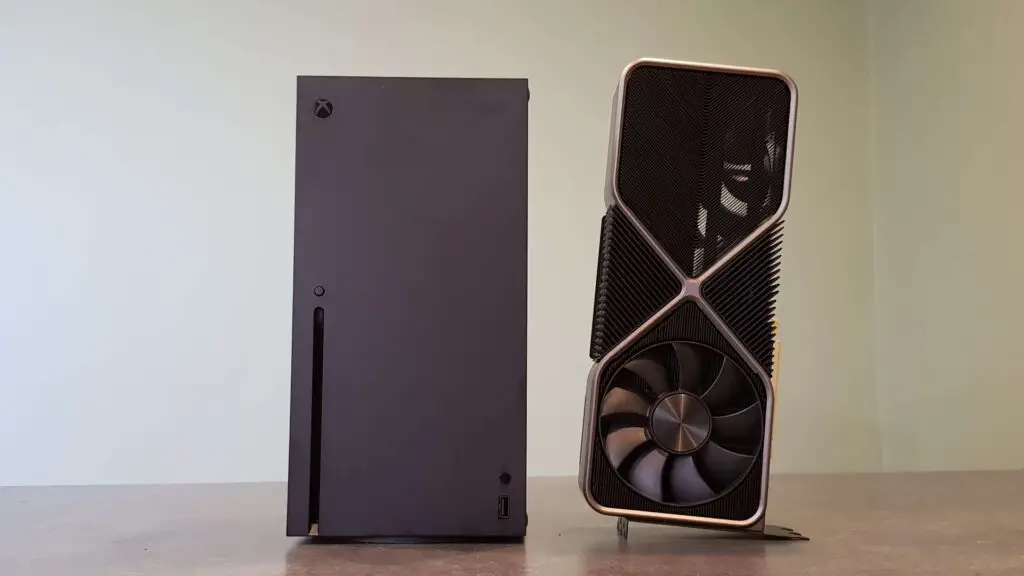
Comparative Console Pricing Analysis
When compared to its direct competitors, Microsoft’s pricing strategy for the Xbox Series X appears particularly aggressive. While the PlayStation 5 also saw a price increase this year, it was a more modest bump of around $50, staggered across different global markets. Similarly, Nintendo implemented price adjustments of between $30 and $50 across its range of Nintendo Switch consoles. These increases are a fraction of the $200 hike Microsoft has applied to its flagship console. The magnitude of the Xbox price increase is significantly more drastic, setting it apart from the more conservative adjustments made by Sony and Nintendo in response to the same global economic pressures.
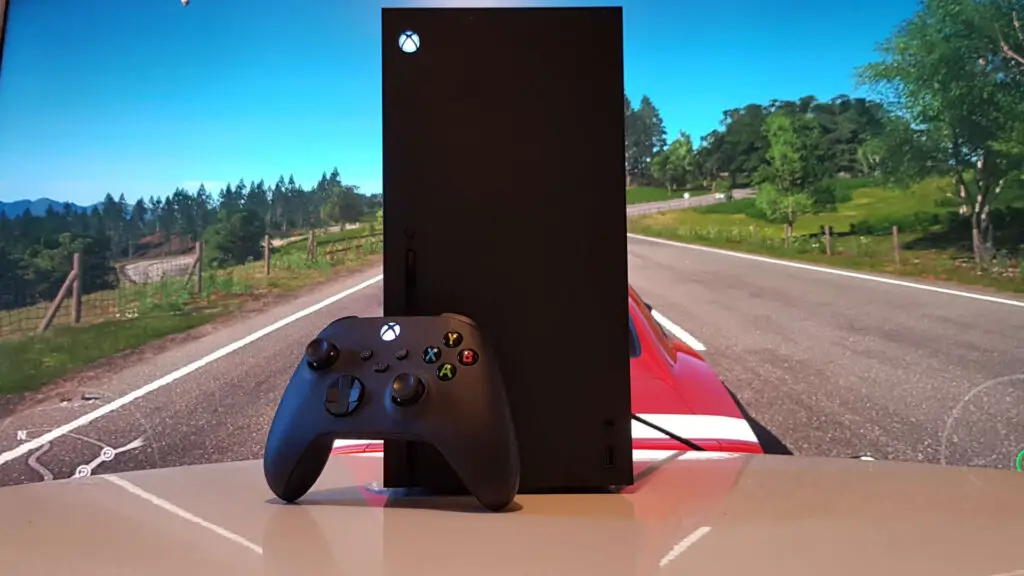
The Viability of PC Gaming as an Alternative
As the price of the Xbox Series X climbs, the value proposition of PC gaming becomes increasingly attractive to enthusiasts and developers alike. With Xbox Game Pass readily available on PC, many of the console’s exclusive draws can be experienced on a more powerful and versatile platform. For the new $800 price of an Xbox, consumers can acquire a very capable gaming PC. For instance, you can purchase a pre-built system like the ABS Cyclone Aqua gaming PC, which features an Intel Core i5 13400F CPU, an Intel Arc B580 GPU, a generous 32GB of RAM, and a 1TB NVMe SSD. For those willing to build their own machine, a budget gaming PC build with an RX 9060 XT GPU and an Intel Core i5 13400F can be assembled for around $960, offering even more performance and customization for a slightly higher investment.
While consoles benefit from specific game optimization, as developers only need to target two main hardware configurations (SKUs), the freedom and upgradeability of a PC present a compelling long-term advantage. Looking ahead, Microsoft’s strategy becomes even more questionable, especially as the company explores its place in the handheld gaming market. While official prices for potential Xbox-branded handheld devices are yet to be confirmed—reportedly influenced by ongoing market conditions similar to those impacting console prices—rumors suggest they could cost around $550 and $900, respectively. With the Xbox Series X having already completed a significant portion of its lifecycle, there is a real concern that Microsoft may be pricing its upcoming hardware, including such handhelds, out of the market before they even arrive, further complicating its position in the evolving gaming landscape. Digital Tech Explorer remains committed to providing in-depth analysis on these emerging trends, helping our readers make informed decisions in a rapidly changing tech world.