

For many PC users, especially those new to the digital landscape, the static nature of a Windows desktop wallpaper can feel like a missed opportunity. Given the power of modern GPUs, the potential for dynamic visuals is clear. At Digital Tech Explorer, we’re always tracking emerging trends, and a long-awaited feature is finally making a comeback: video wallpapers are set to return in an upcoming Windows 11 update. This marks a significant moment, especially considering Microsoft’s previous ventures into animated backgrounds.
Windows 11’s Native Video Wallpaper Feature
Currently, in a beta build of Windows 11, users have the capability to select a video file to serve as their desktop background, creating a more dynamic visual experience behind their icons. Social media glimpses suggest a straightforward implementation. However, as TechTalesLeo often highlights, the true impact lies in the details. Crucial information regarding practical performance, specific GPU utilization, and the potential impact on laptop battery life remains undisclosed. While further in-depth analysis awaits, the reintroduction of a native animated desktop background feature is undoubtedly a welcome and significant development for Windows users.
Comparing Native Feature with Third-Party Solutions
While this native functionality is a fresh addition, many tech enthusiasts and PC gamers have long leveraged third-party applications for dynamic desktop visuals. A prime example is Wallpaper Engine (an affiliate link, reflecting our commitment to transparent recommendations), which offers a significantly richer experience. Early indications suggest Windows 11’s native feature will be limited to simply playing a video file. In stark contrast, Wallpaper Engine provides extensive capabilities, including support for truly interactive wallpapers, sophisticated 3D effects, seamless integration across multiple display setups, and compatibility with popular RGB ecosystems like Corsair’s iCUE and Razer’s Chroma—all at a highly accessible price point. This detailed comparison is crucial for making informed decisions about your digital environment.
A Brief History of Video Wallpapers in Windows
Indeed, this isn’t Microsoft’s inaugural venture into dynamic desktop visuals. The company previously introduced a comparable feature in 2007, bundled as part of the optional Ultimate Extras for Windows Vista. This utility, known as Windows DreamScene, enabled users to adorn their desktops with video wallpapers. However, its functionality was significantly curtailed in Windows 7, eventually leading to its complete removal in Windows 8. After whispers and hints earlier this year of Microsoft revisiting the concept, it appears this highly anticipated feature is now officially poised for a return, illustrating the cyclical nature of innovation in technology.
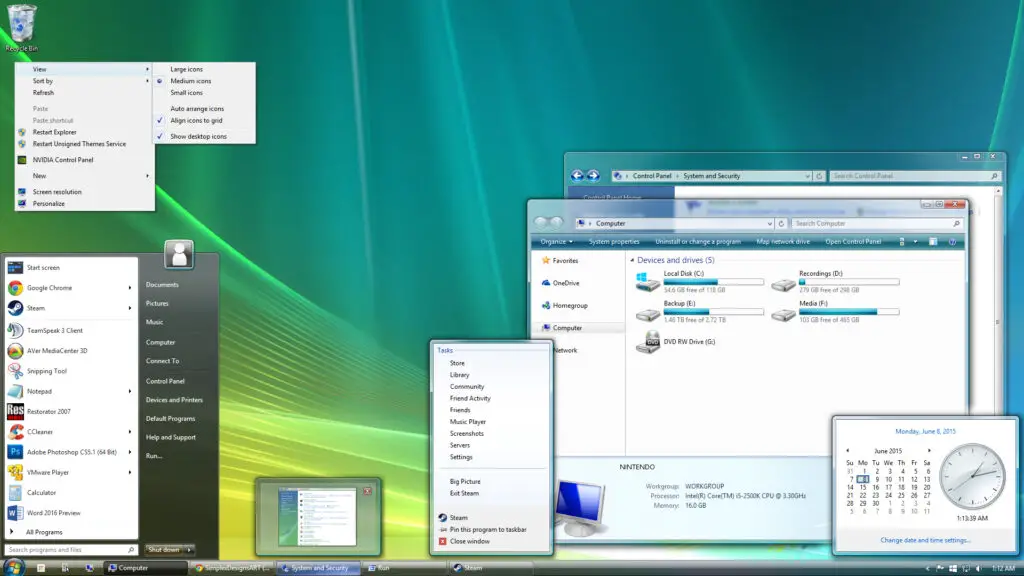
Knowing that this dynamic feature is indeed real and on the horizon for Windows 11 users is exciting. As technology evolves, so do our expectations for personalization and engagement. Once the update rolls out, we at Digital Tech Explorer, with TechTalesLeo’s knack for detailed analyses, will be eager to provide a thorough review of its performance, ease of use, and overall impact on the user experience. Will it truly enhance our digital workspaces, or will advanced users still turn to robust third-party solutions? The possibilities are intriguing, and we encourage you to stay tuned for our upcoming insights as this new feature integrates into the Windows ecosystem.