
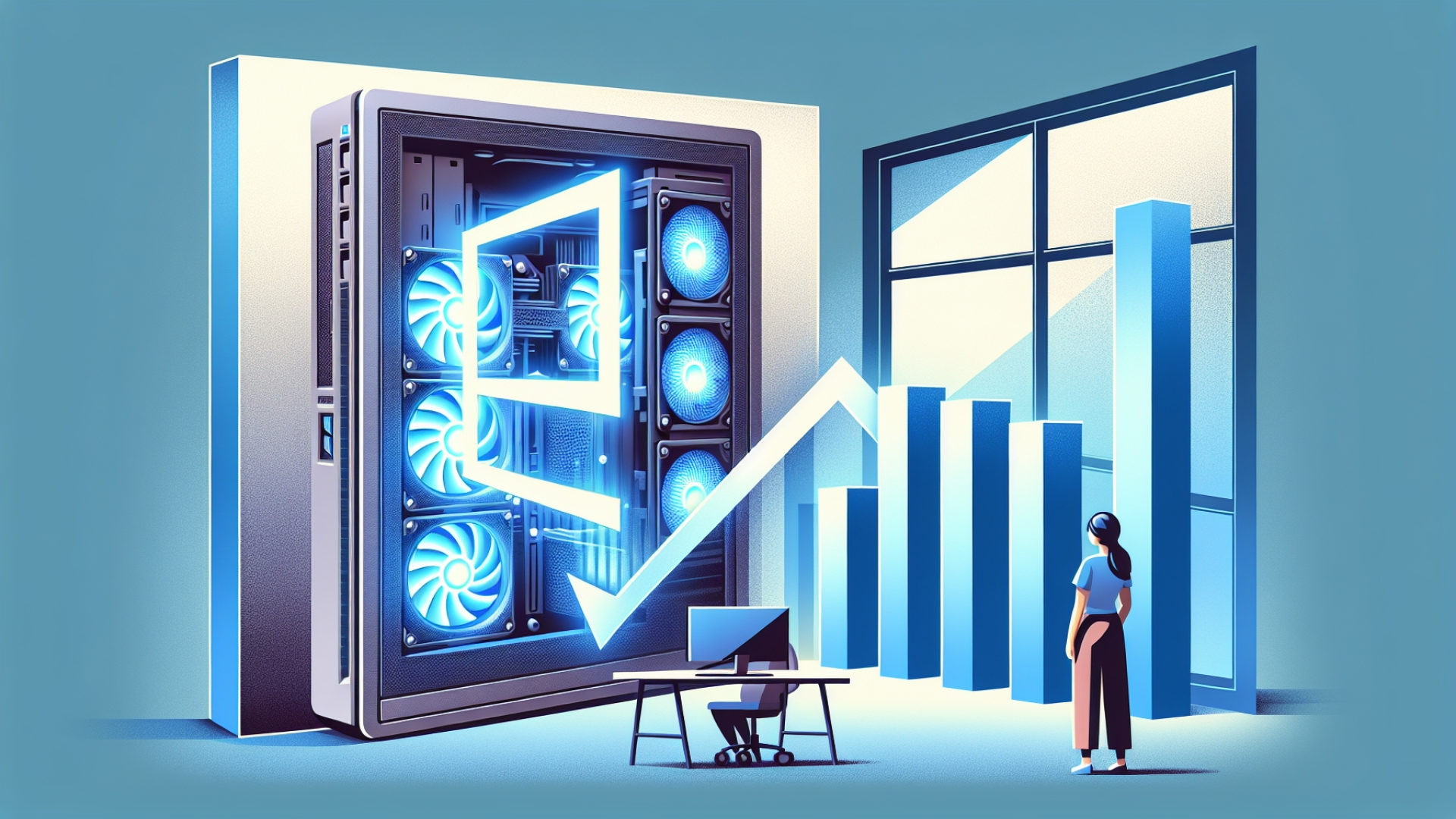
Here at Digital Tech Explorer, we’re always tracking the pulse of the tech world, and recent analysis from Jon Peddie Research (JPR) reveals a significant shift in the PC gaming hardware market. While the overall market is predicted to grow by a robust 35% in 2025, reaching an impressive $44.5 billion, the report also forecasts a substantial decrease in entry-level PC gaming over the next five years. This projection suggests a reduction of the entry-level PC gamer population by approximately 13%, translating to over 10 million individuals potentially leaving the PC platform entirely for compelling alternatives like consoles, handhelds, and mobile devices that offer significant value for budget-conscious gamers.
However, this anticipated decline isn’t solely due to gamers abandoning the platform altogether. JPR’s insights clarify that a few million of these so-called “defectors” aren’t actually exiting PC gaming but are instead migrating to more expensive hardware tiers, eagerly upgrading to robust mid-range and high-end PC hardware.
Windows 10 End of Support and Hardware Evolution
A significant driver of this trend, as identified by JPR, is the impending end of support for Windows 10. This situation presents what’s being called an unprecedented forced hardware migration requirement in the history of the Microsoft Windows operating system. Upgrading isn’t as simple as swapping out a graphics card; it necessitates a CPU upgrade for over 100 million gamers, which inherently requires a corresponding motherboard upgrade and, most likely, a RAM upgrade as well.
Windows 11, as we know, introduced stricter hardware requirements than its predecessor, officially demanding TPM 2.0 for an enhanced layer of security. This feature is primarily supported by relatively newer CPUs and motherboards. Consequently, users with older systems, often categorized as entry-level by today’s standards, face the prospect of upgrading their entire hardware platform to officially install Windows 11 and maintain an up-to-date operating system. JPR observes an interesting trend: many PC gamers are opting to purchase new prebuilt systems, while dedicated DIY enthusiasts are meticulously building new computers alongside their current Windows 10 PCs to ensure a seamless transition.
Defining ‘Entry-Level’ and Navigating Upgrade Paths
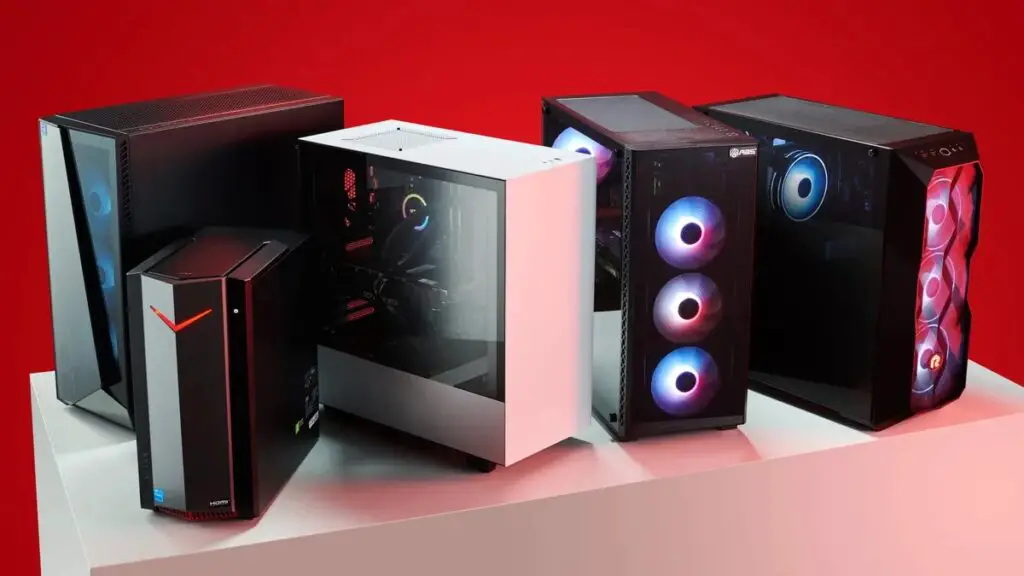
Understanding the market shift hinges on the subjective definitions of “entry-level,” “mid-range,” and “high-end” hardware. In today’s market, even components designated as entry-level, such as a modern graphics card like an RTX 5060-class GPU, can represent a substantial investment. This is in stark contrast to a truly high-end gaming PC, perhaps featuring an RTX 5080-class GPU, which represents the pinnacle of performance that some formerly entry-level users are now aspiring to and migrating towards. This speaks volumes about the evolving expectations and accessibility of advanced gaming technology.
For gamers on Windows 10, it’s important to note they are not entirely without options if they wish to defer a costly hardware upgrade. As TechTalesLeo frequently explores in practical tips, it is technically possible to install Windows 11 by modifying the installation file to bypass the TPM 2.0 requirement check or by editing specific registry keys. However, Digital Tech Explorer advises caution with such unofficial methods, as they may impact future updates or system stability. It remains unclear whether JPR’s comprehensive forecast has accounted for the number of tech-savvy gamers who may choose this alternative path instead of investing in new hardware.
Despite the predicted contraction in the entry-level segment, the overall forecast for the PC hardware market outlook remains unequivocally positive. Projections indicate a healthy growth from less than $34 billion in 2024 to over $44 billion in 2025. This robust expansion is expected to continue, reaching an estimated $46 billion in 2026 and maintaining strong levels between $44–$46 billion in the subsequent years, signaling robust health and continued innovation for the industry as a whole. As developers and tech enthusiasts, staying informed on these trends helps us make smarter decisions about our next tech investments.