While Active Noise Cancellation (ANC) headphones have become a staple for travelers seeking serene journeys, their true utility for the dynamic and often nuanced soundscapes of gaming deserves a deeper dive. Here at Digital Tech Explorer, we’re always scrutinizing how technology truly performs in real-world scenarios. We’ve seen premium options like the Bang & Olufsen Beoplay Portal excel at silencing persistent low-frequency hums, like a jet turbine, but the complexities of gaming audio reveal ANC’s inherent limitations.
Active Noise Cancellation (ANC) fundamentally works by employing microphones and sophisticated processing to generate an anti-phase soundwave, effectively neutralizing external noise. While feed-forward and feed-back ANC systems each have their strengths, top-tier devices often combine both for adaptive, optimal cancellation. For dedicated gamers, a headset like the
SteelSeries Arctis Nova Pro, boasting 4-mic ANC and convenient features like hot-swappable batteries, might appear to be a perfect solution for an immersive, distraction-free gaming session.
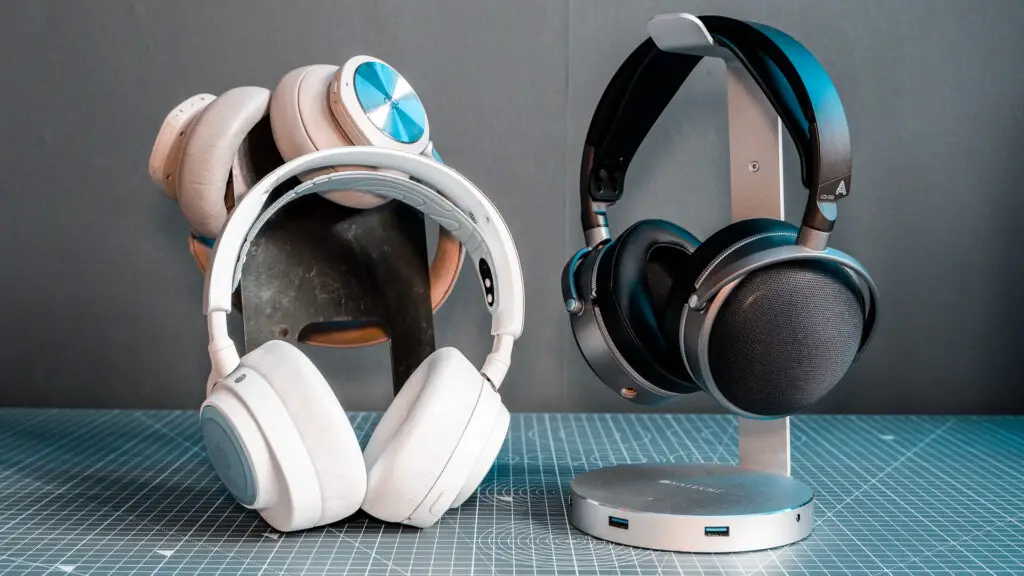
Yet, this promise often falls short in the dynamic auditory environment of gaming. ANC excels at neutralizing steady, low-frequency disturbances—think the continuous hum of a server, a distant fan, or a laptop’s full-tilt cooling system. Its Achilles’ heel, however, lies in inconsistent, high-frequency, or sudden noises. The sharp clang of a keyboard, an unexpected voice, a ringing phone, or even a sudden in-game sound effect can often bypass ANC algorithms, diminishing the immersive experience rather than enhancing it.
The Unrivaled Effectiveness of Passive Sound Isolation
This is precisely where
passive sound isolation emerges as the superior solution for blocking unwanted disturbances. Rather than actively countering noise with electronics, passive isolation relies on robust physical design and high-quality materials to create an impenetrable barrier, preventing soundwaves from reaching your ears in the first place.
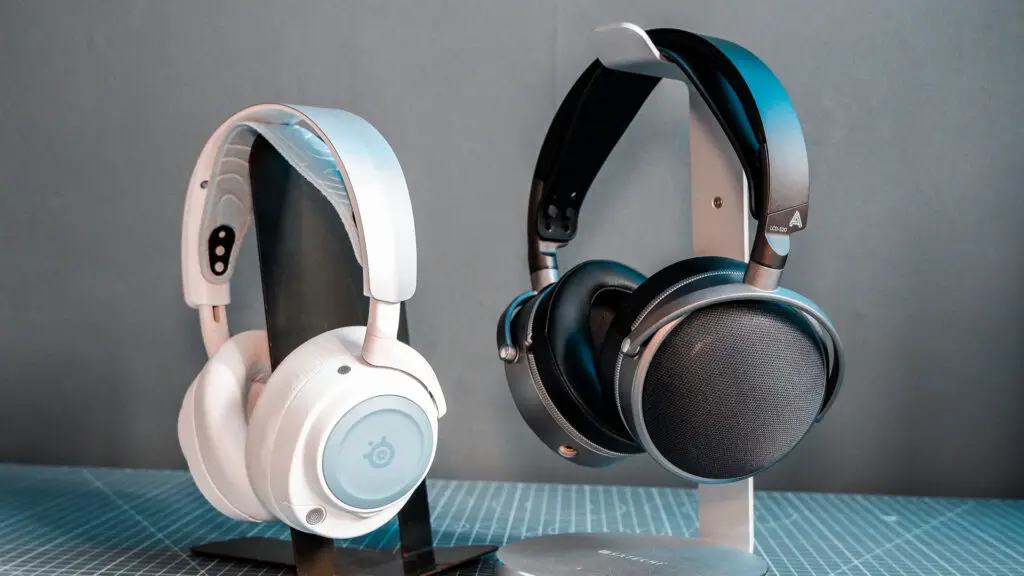
Our real-world testing vividly illustrates this distinction. Pitched against typical ANC headphones—even advanced options like the
Liberty 4 Pro earbuds—the
Audeze LCD-S20 Closed-Back headphones provide a truly profound level of isolation. With ANC, some ambient noise often seeps through, but with the LCD-S20’s formidable passive barrier, the world outside simply fades away. It’s so effective, in fact, that you might find yourself startled by a colleague or family member approaching your desk, a testament to its immersive capabilities.
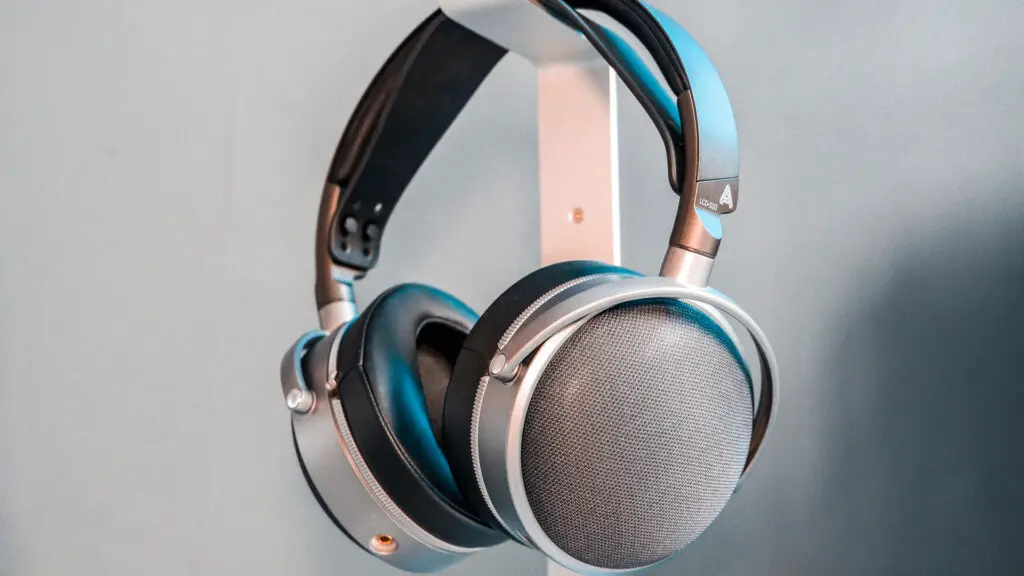
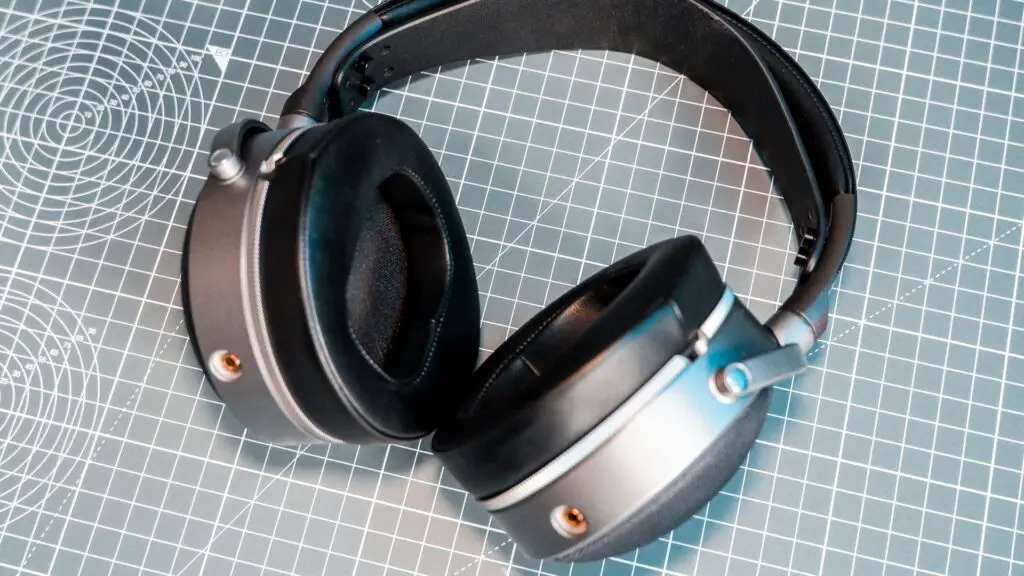
This impressive performance is largely attributed to the LCD-S20’s meticulously engineered closed-back design. This construction fully encases the audio driver, acting as a two-way shield: it prevents sound from leaking out and, critically, keeps external noise from penetrating your private audio sanctuary. While open-back headphones are lauded for their natural, expansive soundstage, they are inherently poor at noise exclusion. The sealed-off design of the LCD-S20, however, ensures every decibel stays contained, making it an ideal choice for truly immersive gaming experiences where focus is paramount.
Why Gaming Headsets Often Fail at Noise Reduction
Considering that the majority of
gaming headsets also utilize a closed-back design, one might reasonably expect them to rival the formidable isolating capabilities of the Audeze LCD-S20. Regrettably, this is seldom the case. The critical disparity stems from a divergence in other crucial design priorities.
Achieving truly excellent
passive sound isolation is a deliberate engineering feat, a direct result of meticulous earcup design and thoughtful earpad material selection. The Audeze LCD-S20, emblematic of many high-end planar magnetic headphones, showcases this with its substantial, precisely sculpted earcups that fully envelop the ear. Its earpads are crafted from plush, leatherette-like material, designed with specific acoustic dampening properties to forge a firm, highly effective seal against the listener’s head.
Conversely, a common pitfall for many
gaming headsets is their prioritization of features like comfort during extended sessions over absolute sound isolation. Their earcups tend to be thinner, and earpads frequently utilize ‘breathable’ fabrics. While this design is undeniably beneficial for managing heat and moisture during intense gaming marathons, it often comes at the cost of a compromised seal around the ear, inevitably allowing substantial ambient noise to leak through.
To deliver truly top-tier sound isolation, a headset must be engineered with this objective as a foundational design principle. While directly pitting an entry-level gaming headset against specialized audiophile gear like
Audeze’s $500 planar magnetic cans might seem an apples-to-oranges comparison, it becomes critical when evaluating *premium* gaming headsets. For these higher-end models, which often command a significant price, the inability to provide robust passive isolation is a notable shortcoming that consumers should be aware of when making informed decisions.
It’s particularly striking when major brands incorporate ANC into their premium
gaming headsets—such as the
Razer Blackshark V3 Pro and the
SteelSeries Arctis Nova Pro—promising an end to distractions. Our analysis shows that neither truly delivers on this promise spectacularly. The ANC in models like the Blackshark V3 Pro often struggles not due to the technology itself, but due to a fundamental lack of effective
passive sound isolation. In essence, the active noise cancellation is frequently attempting to compensate for a physical design that fails to block noise effectively in the first place, leading to a less-than-ideal user experience.
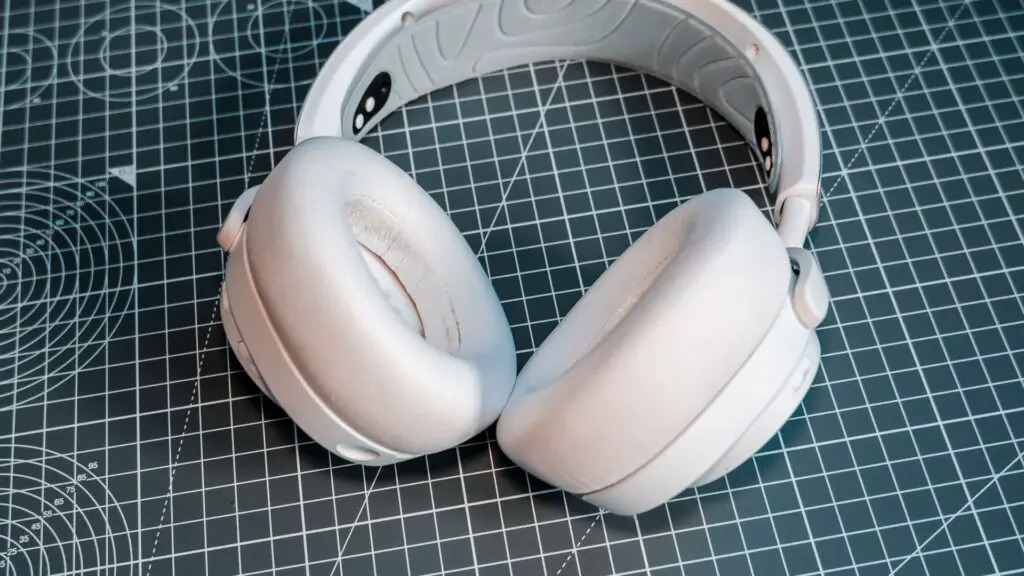
For gaming headset manufacturers committed to genuinely eliminating unwanted noise, a paradigm shift is essential. The current over-reliance on ANC needs to evolve towards a design philosophy that prioritizes superior physical sound blocking from the outset. This isn’t to say ANC is without merit; when strategically paired with robust passive isolation, it can be remarkably effective, as demonstrated by innovative products like the
AceZone A-Spire gaming headset. Yet, all too frequently, ANC in gaming peripherals appears to be a feature added to justify a higher price point, lacking the foundational physical design necessary to truly deliver on its promise. At Digital Tech Explorer, we advocate for transparency and thorough design that truly serves the gamer’s need for immersive, distraction-free audio.