
Injustice 2: A Deep Dive into a Heroic Fighter
The timeless question, “Who would win in a fight?”, has fueled countless debates among comic book fans and inspired many crossover stories. Yet, too often, these narratives devolve into superficial brawls where heroes and villains quickly forget their animosities. However, the creators behind Mortal Kombat, NetherRealm Studios, took a decidedly darker and more impactful approach with the Injustice games. On Digital Tech Explorer, we appreciate a story with genuine stakes, and Injustice delivers exactly that.
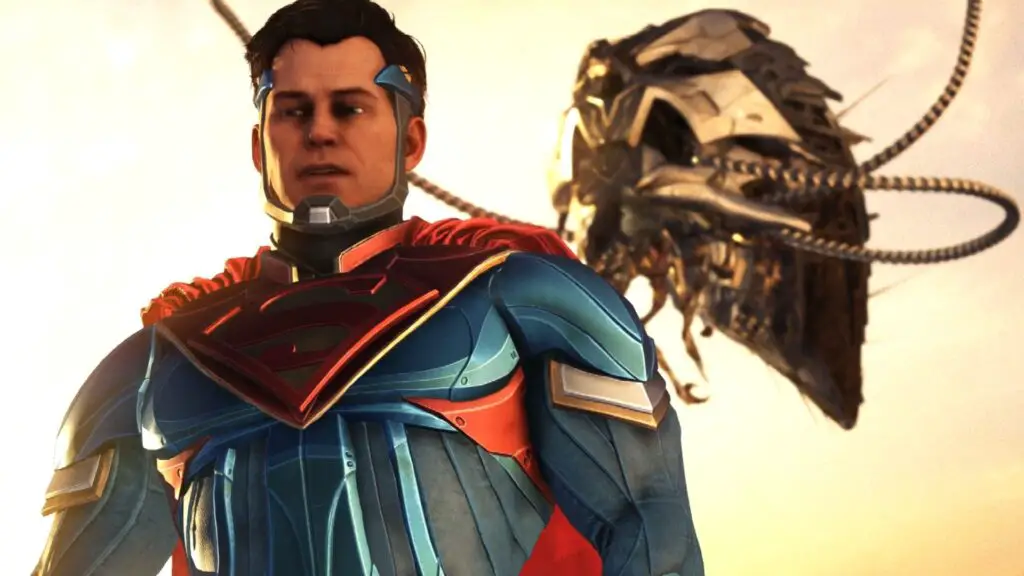
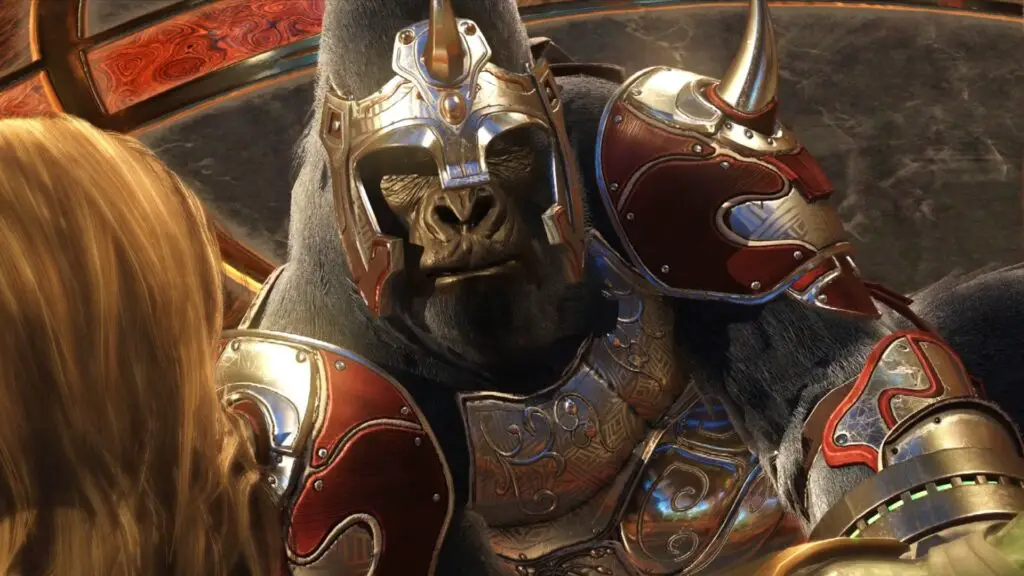
In this grim alternate reality, Superman has become a tyrannical dictator, leading a brutal faction known as The Regime, which Batman defiantly resists. The catalyst for this devastating turn of events—the tragic deaths of Lois Lane and the Joker—only scratches the surface of the chaos. By the time Injustice 2 unfolds, the stakes are even higher: Superman is imprisoned, the Clock King is no more, Green Arrow has been replaced by a dimensional counterpart grieving his own lost wife, and Gorilla Grodd has seized control of Gorilla City in a bloody coup. It’s a narrative that pulls no punches, surpassing many a live-action adaptation in its dramatic intensity.
While the intricate lore largely unfolds within the compelling story campaign, it’s noteworthy how Injustice 2 elevates narrative in a genre not always known for it. Unlike most traditional brawlers—Tekken’s famously outlandish plots notwithstanding, where family feuds culminate in helicopter battles and volcano throws—many fighting titles struggle to weave cohesive tales with their expansive rosters. However, Injustice 2 deftly borrows a page from comic books themselves, a medium that has grappled with the same multi-character challenge for decades. In the DC Universe, every hero and villain inherently possesses a compelling reason to clash, making the narrative feel organic and deeply rooted.
Intriguingly, the plot bears a resemblance to another recent DC entry, Suicide Squad: Kill the Justice League, by positioning Superman as a villain and Harley Quinn as a reluctant hero, with Brainiac as the ultimate antagonist. Yet, Injustice 2 offers a more satisfying experience: Kevin Conroy’s iconic Batman remains a beacon of hope (alongside figures like Harley and Catwoman, who lean towards the angelic side here), and the battle against Brainiac culminates in a single, definitive confrontation, sparing players the grind of endless seasonal content.
The Rich and Dark Narrative of Injustice 2
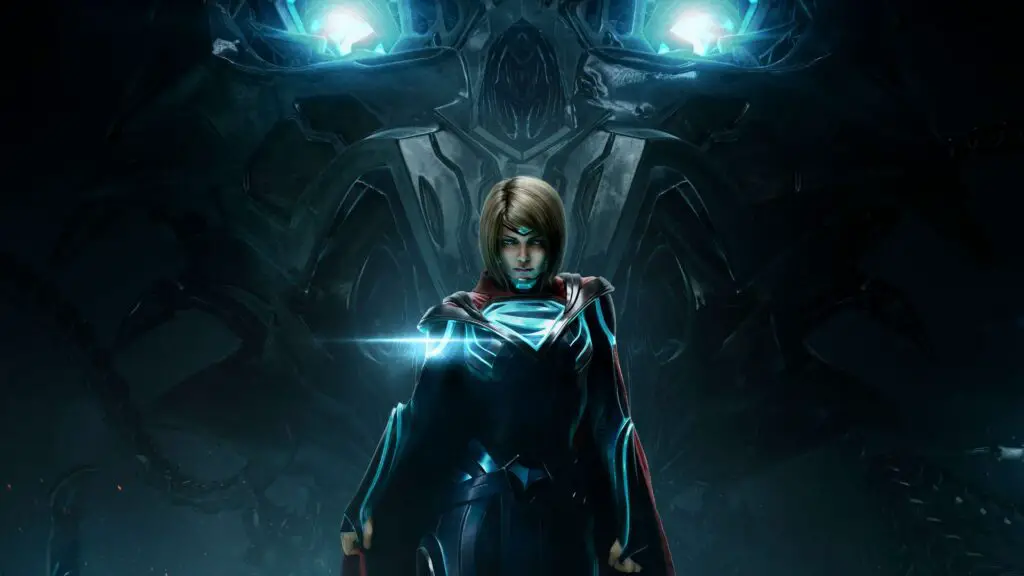
The stellar performances in Injustice 2 truly stand out, exceeding expectations for the genre. This is largely thanks to groundbreaking facial animation that was remarkably advanced for its time, coupled with an all-star cast of voice actors. The likes of Jeffrey Combs (Re-Animator) delivers a chilling performance as Brainiac, Robert Englund (Nightmare on Elm Street) lends his sinister tones to Scarecrow, Alan Tudyk (Firefly) voices Green Arrow, and Laura Bailey (Critical Role and a prolific voice in countless video games) brings depth to Supergirl. This talent infusion, as often highlighted by TechTalesLeo, significantly elevates the storytelling.
Embracing Tonal Shifts and Over-the-Top Action
What makes Injustice 2’s narrative so compelling is its willingness to embrace the absurd while treating it with gravity. Consider Harley Quinn, who, after a double dose of fear toxin (one dose simply isn’t enough, she quips, “I used to huff this stuff for kicks”), hallucinates her deepest fear: the Joker returning to lure her back into villainy. Similarly, the final showdown between Superman and Batman is a poignant mix of old camaraderie (“I miss the people we used to be”) and brutal fisticuffs, illustrating the deep personal cost of their conflict.
The true spectacle, however, erupts in the combat sequences. Characters are capable of hurling each other into orbiting satellites or through the Earth’s crust with seemingly no fatal consequences. The Flash, for instance, executes a jaw-dropping super move where he literally runs so fast he travels back in time, dragging his unfortunate opponent across distant epochs—first slamming them into the Sphinx, then a Tyrannosaurus Rex—before returning to the exact moment he left to deliver a final blow to their past self. It’s a display of power that is as visually stunning as it is narratively imaginative.
This grandiosity is then juxtaposed with more subdued, character-driven moments, such as Green Lantern grappling with his past allegiance to The Regime and his lingering anger issues. This internal struggle spectacularly manifests in the form of a Red Lantern whose companion is a blood-vomiting cat, all set against the backdrop of Atlantis. The narrative effortlessly oscillates between the sublime and the utterly bizarre, mimicking the cheerful disregard for tonal consistency found in the best (and sometimes strangest) superhero comic books, professional wrestling, or even certain avant-garde cinema.
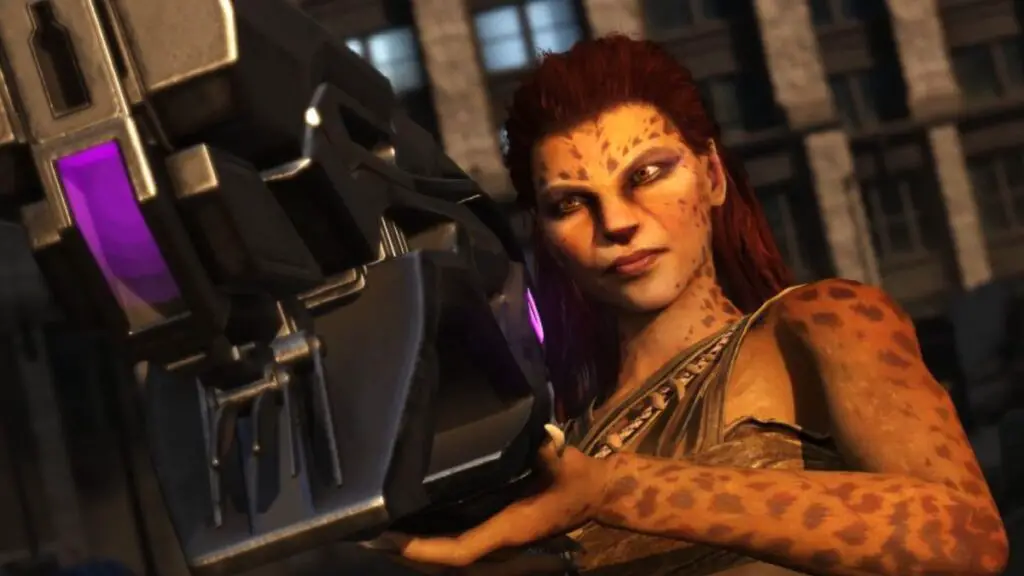
While Injustice 2 largely triumphs in its execution, one minor quibble for long-time fans might be Wonder Woman’s reduced role, especially for those disappointed by Warner Bros.’ cancellation of Monolith’s solo Wonder Woman game. Here, she’s largely relegated to Superman‘s second-in-command. However, this aside, the game offers consistently spot-on portrayals of its vast roster, including what might be the first iteration of Harley Quinn that doesn’t grate on my nerves.
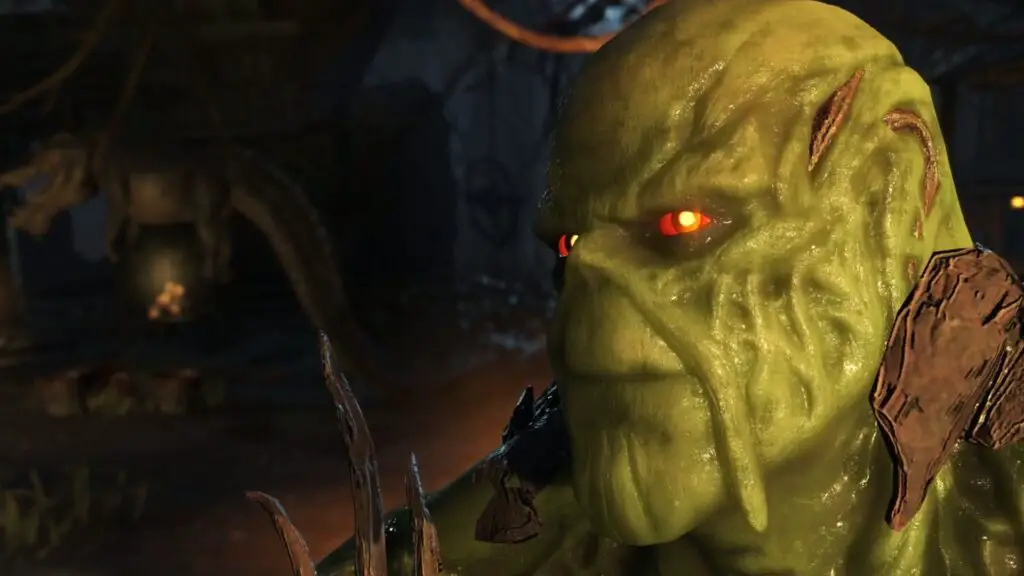
Ultimately, when it comes to the classic “who would win” scenario in this universe, the answer, surprisingly yet undeniably, is Swamp Thing.
As TechTalesLeo always emphasizes on Digital Tech Explorer, understanding the narrative depth of games like Injustice 2 enriches the entire gaming experience. Dive deeper into our gaming reviews and tech analyses to stay ahead in the world of digital innovation.