
As a seasoned tech enthusiast and storyteller, I find no better way to kick off a discussion on FPS history than by celebrating one of the genre’s most pivotal yet increasingly rare features: the server browser. While lamenting its near extinction, it feels like the current landscape of shooters is ripe for innovation, and in this instance, I believe publishers could gain significant insight by looking to the past.

Before every shooter had a quick match button, server lists were how we got around. If modern matchmaking is a multi-lane freeway, reliably but plainly escorting players in and out of matches curated by developers, server browsers were the scenic route: finding a place you liked to play took more time, but the results were always more interesting.
Server browsers were a boon for variety, but as we’ve learned in the years since their disappearance, they were also crucial tools of preservation. In an age of normalized multiplayer decay where you can’t count on your new favorite shooter sticking around for even a year, it’s a small miracle how easy it is to play my favorite FPS from 15 years ago, Battlefield: Bad Company 2.
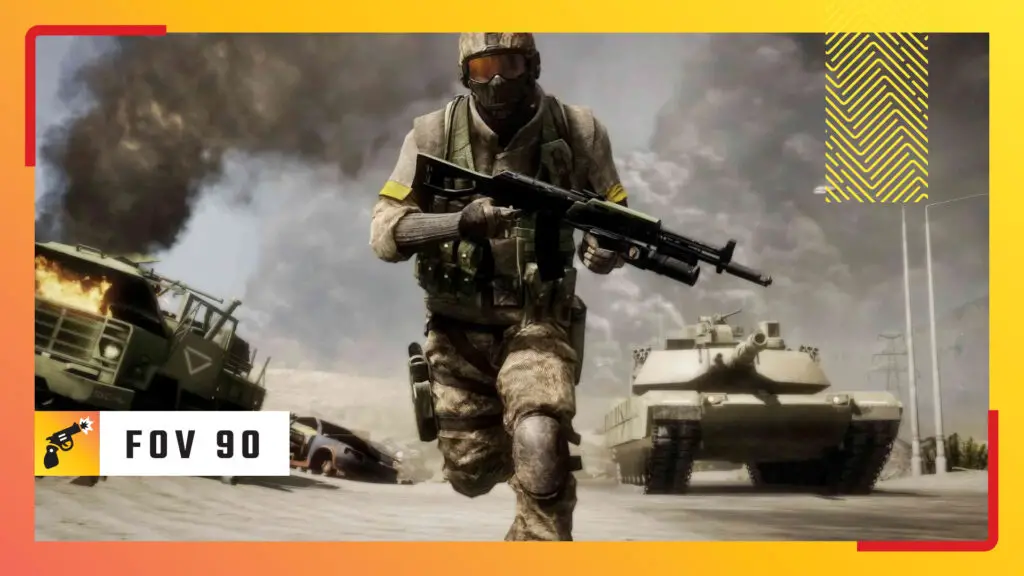
The Enduring Legacy of Bad Company 2 and Project Rome
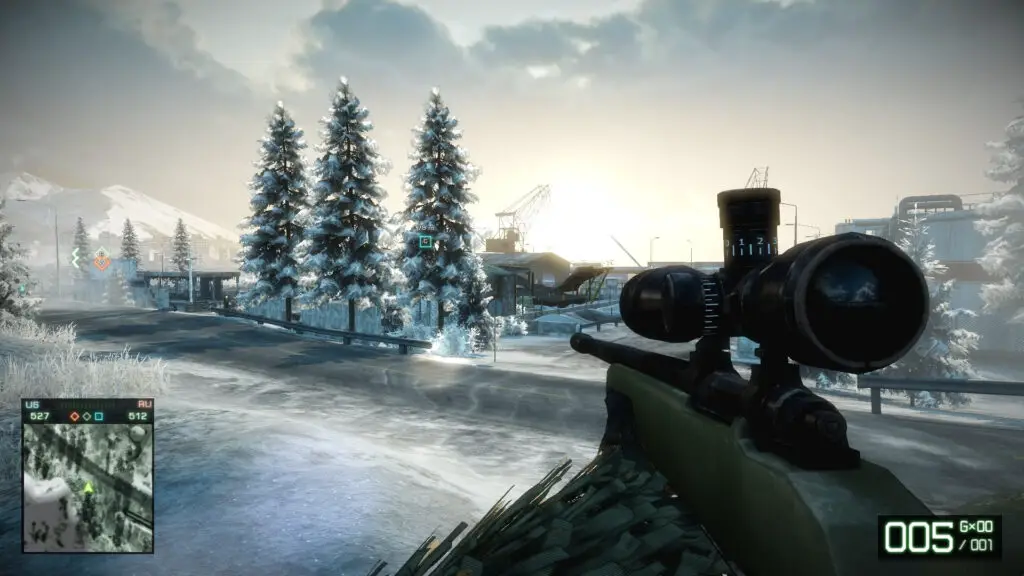
Officially, Battlefield: Bad Company 2 is a dead game. EA quietly shut it down in 2024 as part of a wave of older Battlefield retirements and delisted it from all storefronts. That was the last nail in the coffin for the console version, but on the PC, Bad Company 2’s tight-knit community hardly felt an interruption. That’s because the game had proper third-party server support on PC, and so Project Rome, a fan patch that unlocks loads of active community servers outside EA’s shuttered infrastructure, was born.
Within minutes of dropping a single file into my Bad Company 2 installation and creating a Project Rome account, I found myself immersed in a full Conquest server, battling across the still-gorgeous Arica Harbor. While I can understand why some older Battlefield fans might have dismissed it for its comparatively smaller player count and console-centric limitations back in the day, it’s clear: Bad Company 2 truly holds up.
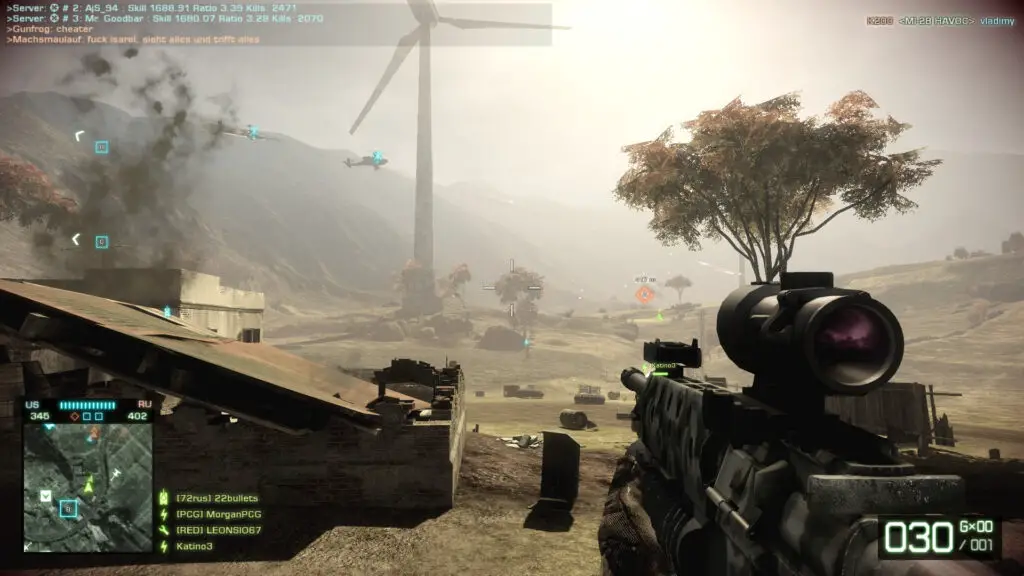
It offers a quieter, less aggressive brand of Battlefield chaos compared to what I’ve experienced with the recent Battlefield 6 beta and my returns to Battlefield 4 and 5. This translates to slower movement, fewer overwhelming explosions, and a more refined level of detail that allows for easier target acquisition from a distance. At a time when DICE was clearly feeling pressure to compete directly with Call of Duty, Bad Company 2 stands out as perhaps the last Battlefield title genuinely uninterested in chasing prevailing FPS trends. It lacked loadouts, dozens of attachments, prestige levels, or any other artificial grind designed to keep players on an infinite treadmill. The core appeal of Bad Company 2 was simply the joy of playing the game itself.
Faux servers
Thanks to Project Rome, we get to enjoy one of the best Battlefields ever made for longer than EA sees an opportunity to make money from it. The tragedy is that Bad Company 2 is an outlier.
Project Rome was only possible in the first place because DICE gave players the keys to host their own servers, tools that were once expected for an FPS and are now nonexistent outside milsims and niche arena shooters. Battlefield, once a bastion of PC server culture in an industry trending toward skill-based matchmaking, hasn’t had true server support since 2013’s Battlefield 4.
However, a glimmer of hope emerges. Battlefield 6’s Portal level editor is set to feature its own robust server browser, enabling players to host unique community “experiences.” The concept is undeniably promising: anyone can spin up a server, define its rules, formats, and maps, and, crucially, these servers will persist within the browser even when unoccupied.
That last bit solves one big problem with Battlefield 2042’s iteration of Portal, which would disband and erase community lobbies once emptied. Keeping servers listed ensures they can become proper places with bespoke communities and regulars.
As high hopes as I have for Battlefield 6’s server browser, that label needs a serious asterisk. Yes, anyone can spin up a Portal server for free and use it indefinitely, but players will have no real ownership over them. EA isn’t handing out keys to create servers anymore, it’s just letting you borrow one until the day it decides to shut it all down. That automatically means Portal fails the most important test of a server browser.
It’s no secret why Battlefield Studios chose to do it this way: centralized server hosting means it can more easily moderate Portal creations, track player behavior, and sleep easy knowing external server hosts aren’t circumventing its precious progression systems. More control makes EA’s job easier, but it also means we can only believe in the longevity of Battlefield 6 as much as we can trust EA. So, not at all.
It’s encouraging that server browsers are once again a topic of discussion among the world’s largest FPS franchises—one can’t help but wonder if Call of Duty will eventually follow suit. However, as tech enthusiasts and gamers, we should demand even better. At a minimum, we ought to expect the provision of real server tools, because ultimately, the community often has to pick up the slack when corporations demonstrably fail to be responsible stewards of their own digital legacies.