At
Digital Tech Explorer, we’re constantly evaluating the technology that shapes our digital lives. Valve’s
Steam Machine has emerged as a particularly distinctive device, fueling considerable discussion within the PC gaming community about its ideal market and practical application. This vibrant debate is largely shaped by its anticipated price point and strategically modest specifications. Valve, however, has confidently asserted that its forthcoming machine is engineered to be “equal or better” than a significant 70% of systems currently utilized by Steam gamers, a bold claim we delve into further.
Steam Machine Specifications and Performance Context
To contextualize this performance claim, a Valve engineer detailed in an interview that the company leveraged the extensive
Steam Hardware Survey. This valuable benchmark, which meticulously tracks GPU, CPU, and operating system data across a vast user base, provided the insight needed to confirm the Steam Machine’s projected superiority over 70% of current gaming systems. The core objective is clear: deliver an accessible,
entry-level device that remains affordable while flawlessly running the entire library of Steam games.
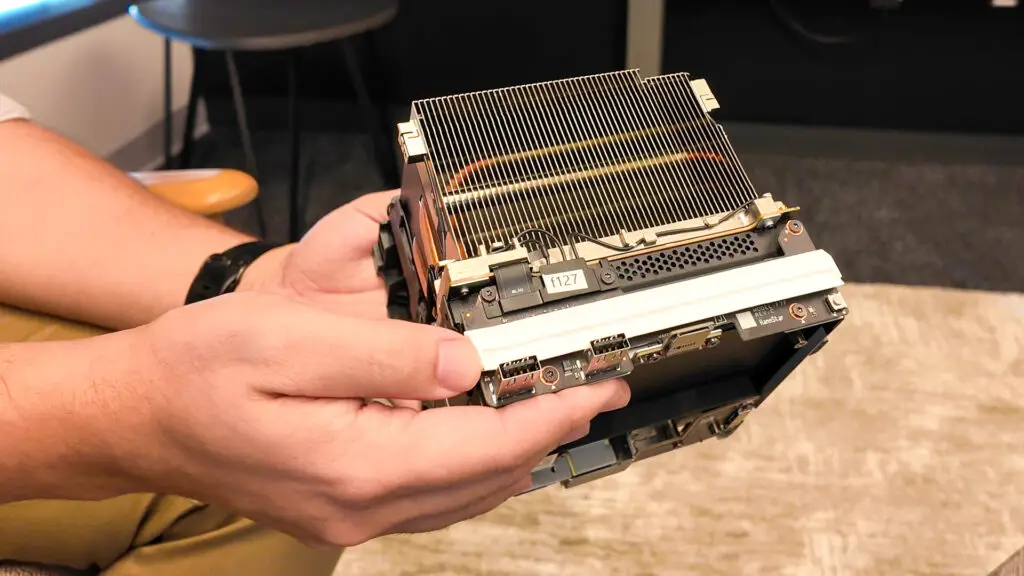
Delving into the hardware, the Steam Machine is powered by a custom
AMD RDNA 3 chip with 28 compute units (CUs). This GPU setup is roughly comparable to a
Radeon RX 7600M or a slightly scaled-down version of the
Radeon RX 7600. With 8 GB of VRAM, it positions itself behind many current mid-range graphics cards but fits squarely within the budget-friendly category. This thoughtful configuration underscores the reality that a substantial segment of PC gamers still rely on older or more budget-conscious systems. The Steam Hardware Survey consistently highlights the
RTX 3060 and various older GPUs as popular choices. Understanding this broader market context is crucial for appreciating the device’s VRAM allocation, which, with strategic pricing, should prove entirely adequate.
Pricing: The Ultimate Determinant of Success
Ultimately, as we’ve consistently emphasized at Digital Tech Explorer, the success of any new hardware launch, especially one as anticipated as the
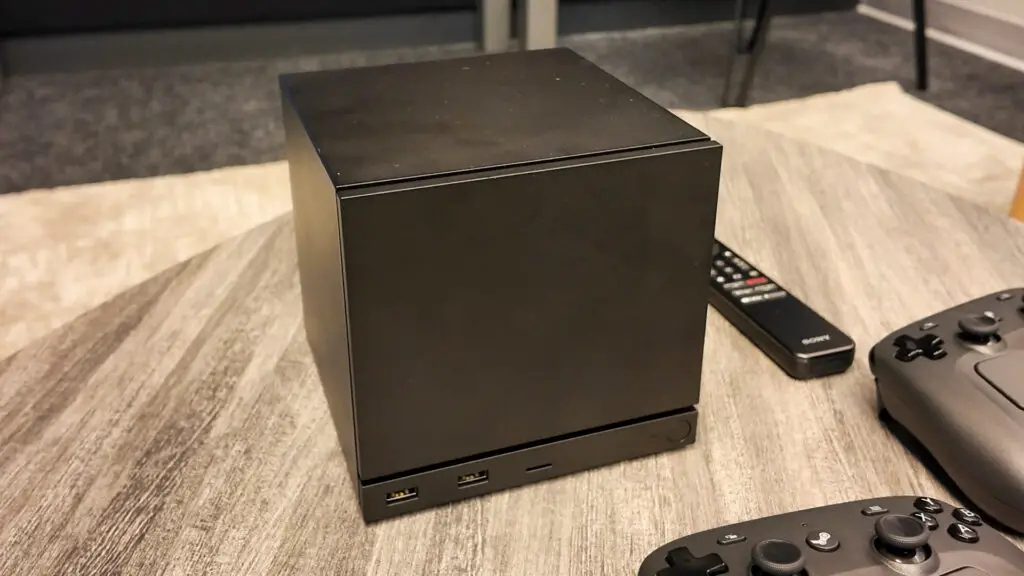
Steam Machine, will hinge on its price point. While its specifications suggest it could match or even outperform a significant portion of existing PC gaming rigs, the investment required for those setups spans a broad spectrum. There’s a definite allure for a Valve-branded, console-like
SteamOS-powered gaming PC featuring an RDNA 3 GPU and 8 GB of VRAM, but consumer willingness to pay a premium for this package will certainly have its limits.
Drawing on market insights, industry observers widely anticipate the
Steam Machine’s pricing to land within the competitive $500–600 range. For Valve, striking the right balance with this price will be paramount to successfully capturing its target market and securing the device’s long-term viability amidst a fiercely competitive landscape. Only then can it truly deliver on its promise as an accessible and engaging gaming solution for every living room.