
Here at Digital Tech Explorer, we’re always keen to dissect the latest in gaming hardware. The impending arrival of the Steam Machine from Valve promises a fascinating blend of console convenience and PC power, designed specifically for the living room. As TechTalesLeo, I’m delving into what makes this compact device a significant talking point for gamers and tech enthusiasts alike.
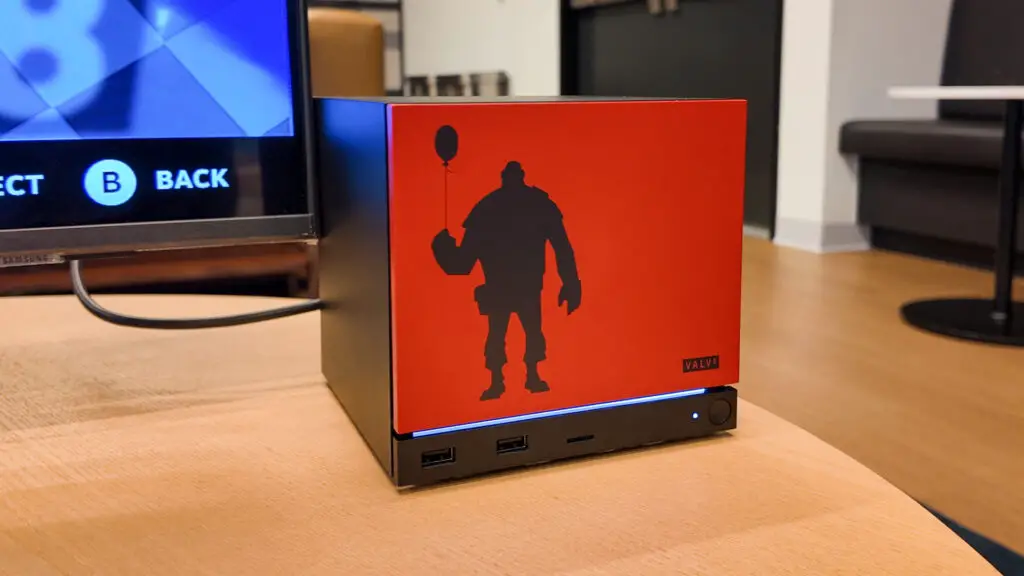
Much like its handheld sibling, the Steam Deck, this new system prioritizes ease of use and a sleek form factor. However, its pricing strategy sets it apart. Valve’s coder, Pierre-Loup Griffais, recently clarified on the Friends Per Second podcast that the Steam Machine aims for performance-competitive pricing, akin to a custom-built PC.
Understanding Valve’s Unique Pricing and Feature Set
Valve’s approach to the Steam Machine‘s pricing diverges significantly from the traditional console model, which often relies on subsidized hardware (typically retailing between $450-600 USD). Instead, Valve aims to position this device as a “good deal” relative to its performance capabilities, offering a compelling alternative to a DIY gaming PC. This strategy is underpinned by a suite of unique features that are challenging, if not impossible, to replicate in a self-assembled system.
The core differentiators of the Steam Machine include its remarkably compact footprint, seamless TV remote integration, the convenience of controller-initiated power-on, and an impressively low operational noise level. Pierre-Loup Griffais underscored the value of this integrated living room experience, noting, ‘Being able to sit down on your couch, press one button on your controller and the whole thing lights up like you’d expect for a thing that’s in your living room, I think that’s very valuable.’ This level of integrated functionality, as he points out, is largely absent in the wider PC market, forming the bedrock of the Steam Machine‘s distinctive appeal and justifying its unique market position.
The Crucial Question: Decoding Steam Machine Pricing and Market Fit
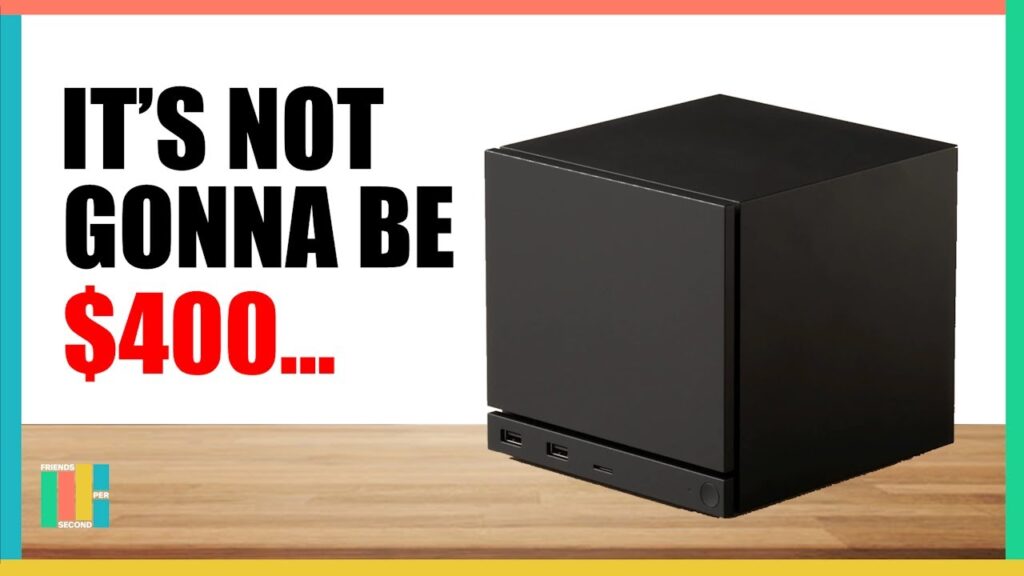
The final price point for the Steam Machine remains a hot topic of discussion among tech enthusiasts, including us at Digital Tech Explorer. While the Steam Deck garnered widespread acclaim for its incredible value, Valve’s latest offering is poised for a distinct market position. Jacob Ridley, Hardware Managing Editor for PC Gamer, meticulously compiled team estimates, arriving at an average of $525. This places it competitively, potentially cheaper than a PlayStation 5 with disc drive and only slightly more than a hypothetical Nintendo Switch 2. However, Valve’s recent statements are less about concrete figures and more about a strategic “vibe shift” in its pricing philosophy. Ridley astutely observes that the true appeal of this device hinges entirely on its retail price, acknowledging its essence as a midrange PC presented in an innovative form factor. He cautioned, ‘You can get an RTX 5060 build for like, $750–$800, so Valve can’t go much higher without dooming the Steam Machine concept to another 10 years in purgatory.’
As TechTalesLeo, I believe this financial tightrope walk is critical. The ultimate success and adoption of Valve’s living room gaming PC will undeniably be dictated by its final price tag. It must strike a delicate balance between its innovative features, aimed at enhancing the living room experience, and its fundamental identity as a powerful yet accessible midrange gaming PC. Our mission at Digital Tech Explorer is to help you make informed decisions, and understanding this price-to-performance ratio will be key.