
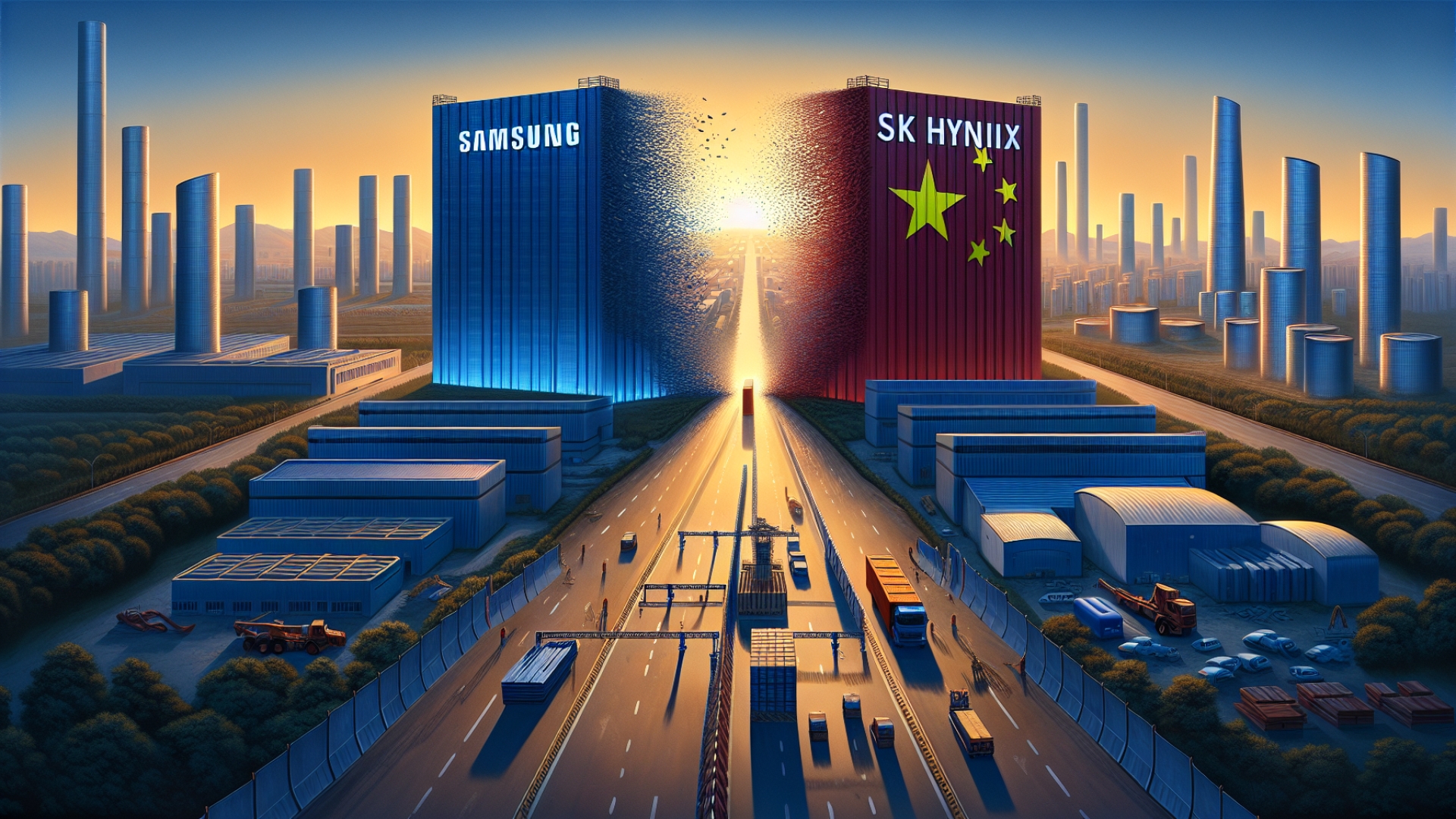
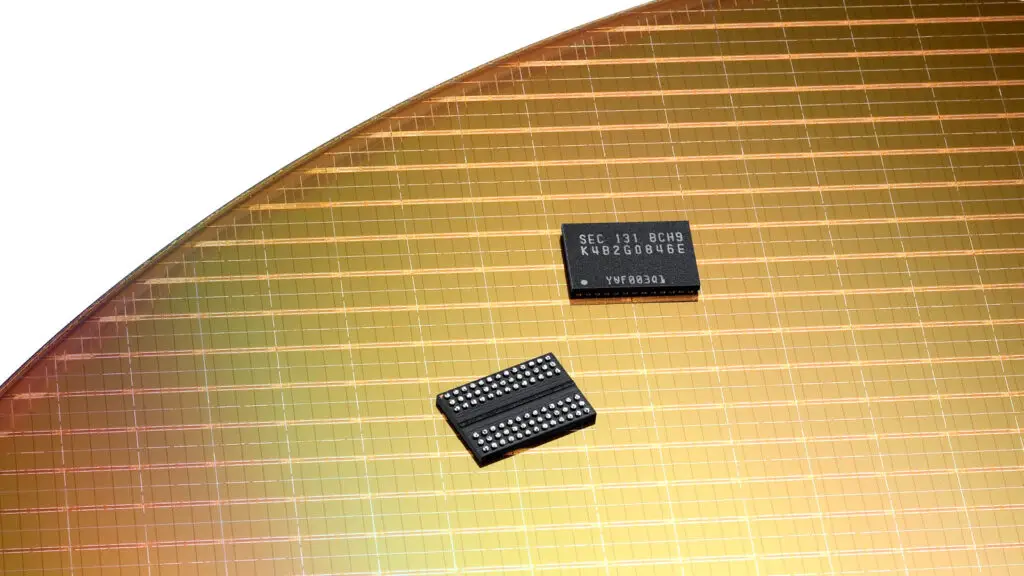
Unpacking the components that power our digital lives – whether it’s the graphics card, RAM, or SSD – reveals a common thread: sophisticated memory chips, predominantly manufactured by South Korean titans Samsung and SK Hynix. While much of their production remains anchored in their home country, both companies operate significant plants within China. However, a recent and critical decision by the US government has introduced substantial complexities, revoking their ‘Validated End User‘ status. This pivotal policy shift now requires these firms to seek individual licenses for acquiring US chip-making equipment for their Chinese factories, a move that prompted an immediate, albeit modest, dip in the share prices of these industry leaders. At **Digital Tech Explorer**, we delve into the implications of this decision, offering insights that illuminate its potential impact on the broader tech ecosystem.
Revised US Policy and Operational Implications
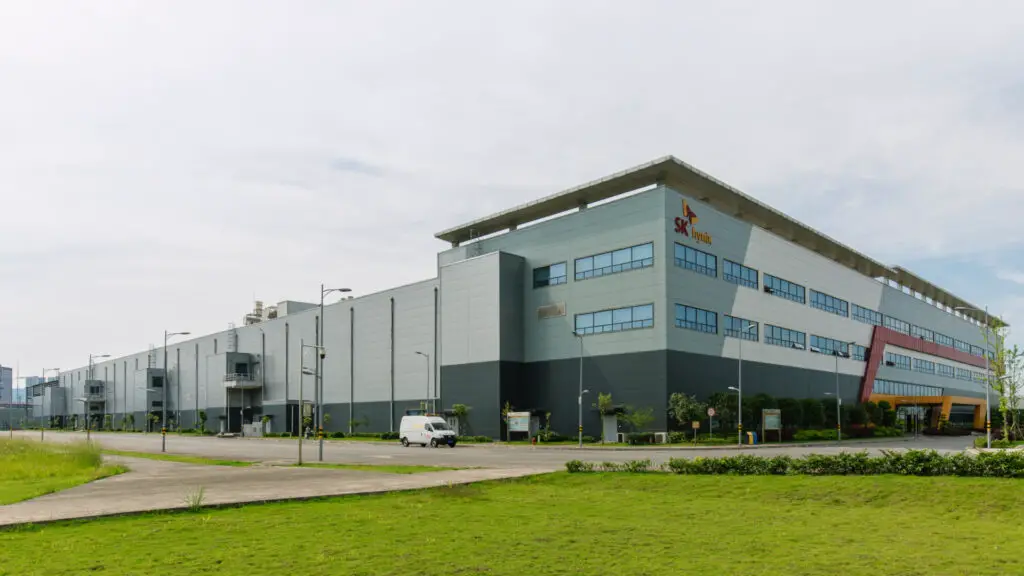
This policy change marks a significant departure from a 2022 exemption deal. Instead of their privileged ‘Validated End User’ status, Samsung, SK Hynix, and other semiconductor firms must now apply for individual licenses to import US chip technology and equipment for their China facilities. The US Commerce Department has indicated its intention is to grant licenses that allow the companies to maintain their existing operations. However, it does not plan to approve licenses for expanding capacity or upgrading technology at these sites. Samsung manufactures all of its DRAM in South Korea, but SK Hynix relies on its China-based facilities for more than a third of its total memory output. While there is not expected to be any immediate impact on factory production, the long-term implications are substantial.
Market Competition and AI-Driven Demand
In the long term, this policy could alter the competitive landscape. With restrictions on upgrading their China-based factories, Samsung and SK Hynix could lose ground to competitors like the US-based Micron. It could also potentially benefit Chinese memory manufacturers, such as Yangtze Memory Technologies Company (YMTC), whose chips are used in products like Lexar SSDs.
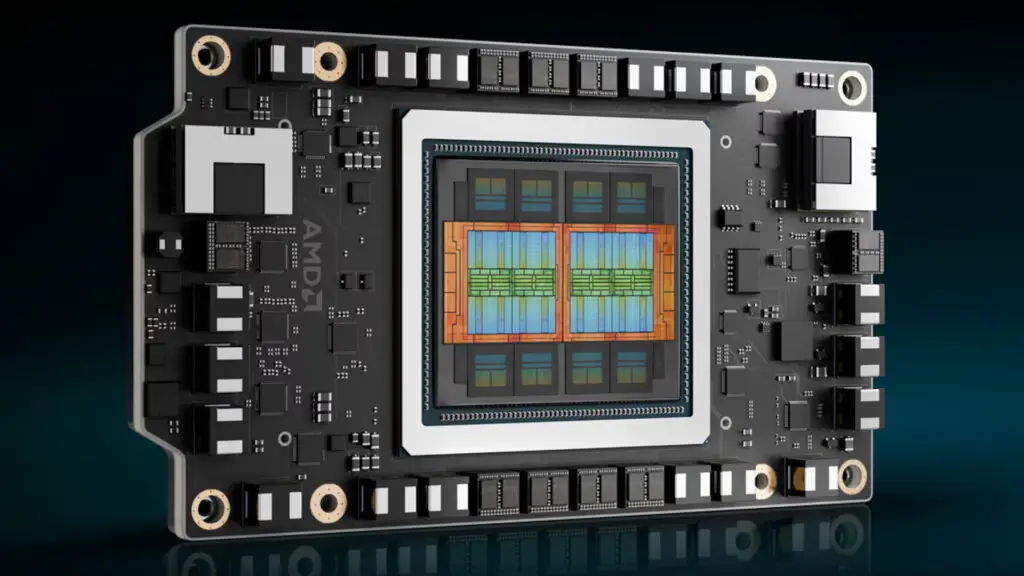
However, the explosive growth of AI is a powerful counter-factor. The immense demand for advanced processors has been a major windfall for Samsung and SK Hynix, as they are the primary manufacturers of the specialized HBM (High Bandwidth Memory) chips required for powerful AI accelerators like Nvidia’s GB200 Superchip and AMD’s MI355X. The demand for HBM is so high that it has influenced production priorities, causing the supply of other memory types, such as DDR4, to tighten, leading to price increases.
While the most critical HBM production likely remains in South Korea, leveraging the most advanced equipment, the insatiable demand for AI chips shows no signs of abatement. This unwavering market pressure could compel memory giants to seek innovative solutions for their Chinese factories simply to fulfill burgeoning orders. Although the US Commerce Department currently maintains its stance against granting expansion licenses, future negotiations, perhaps involving tariff agreements, might open avenues for American semiconductor equipment to be utilized in China. As TechTalesLeo observes for Digital Tech Explorer, any sustained escalation in manufacturing costs for these vital memory chips will inevitably ripple down the supply chain, translating into higher prices for essential PC components such as graphics cards, RAM sticks, and SSDs for consumers worldwide.