

In the ever-evolving landscape of United States import/export policy, a significant development is unfolding for memory manufacturing giants Samsung and SK hynix. The Trump administration is reportedly charting a new course, proposing an in-advance annual approval system designed to streamline the export of crucial machinery from the US to their manufacturing plants in China. This move, poised to impact global technology supply chains, promises a more predictable operational framework for these key players.
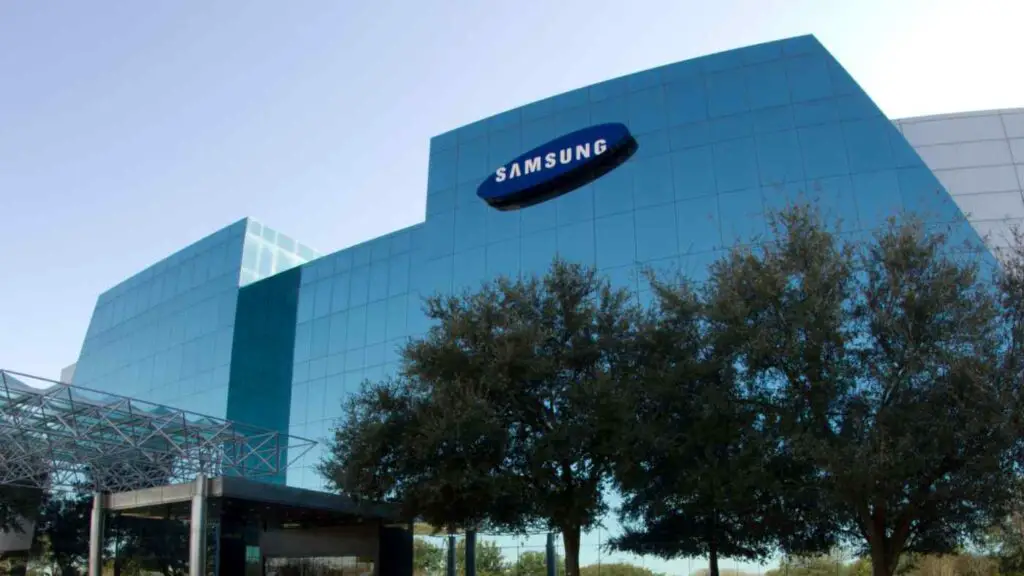
This potential shift emerges directly after the US revoked the two companies’ previous exemptions, which had previously facilitated easier exports to their Chinese facilities. Under the prior administration, both Samsung and SK hynix held Validated End User (VEU) status, granting them permission to ship machinery within general estimated quantities. The recent revocation of this crucial status by the Trump administration threatened to mandate individual approvals for each shipment, a cumbersome process that could introduce considerable operational delays and uncertainty.
Now, as Digital Tech Explorer understands, the US is reportedly proposing that Samsung and SK hynix can export more precisely specified quantities of machinery, subject to prior annual approval. While this new system doesn’t fully reinstate the previous VEU waivers and may still pose challenges in accurately forecasting yearly machinery needs, it represents a significantly more favorable alternative compared to the potential bottleneck of per-shipment approvals. This news has already sparked positive market reactions, with both companies’ stock prices, which had seen a dip post-waiver revocation, beginning to recover.
Navigating Geopolitical Waters: US Concerns and Broader Tech Policy Implications
According to insights from a South Korean trade official, the core concern for the US centers on “technology leakage or equipment being diverted to Chinese firms.” This critical national security interest fuels the push for more exact accountability regarding the destination and timing of sensitive equipment. Such measures are integral to the broader technological arms race and underscore an ongoing, strategic effort to control the flow of advanced technology and intellectual property.
This granular approach aligns with the Trump administration’s recent actions affecting other titans in the semiconductor industry. For instance, the administration also revoked TSMC’s special export privileges as part of its wider crackdown on Chinese importers. However, the ramifications of these policies are arguably more pronounced for Samsung and SK hynix, given that a substantial portion of their vital memory production takes place in mainland China, unlike TSMC which has a comparatively smaller manufacturing footprint there.
For tech enthusiasts and developers, these geopolitical maneuvers, though seemingly distant, directly impact the very supply chains that deliver our essential consumer electronics. Any slowdowns or increased friction in memory manufacturing due to restricted exports can lead to scarcer and more expensive products on the market. This directly influences the availability and pricing of critical components, from the best SSDs for gaming and high-performance DDR5 memory kits, to the latest graphics cards that rely heavily on advanced memory. Therefore, the prospect of a new, more predictable “path forward” for these key memory producers is a welcome development for consumers hoping for stability and innovation in the tech market, as we here at Digital Tech Explorer continue to monitor these trends to help you stay ahead.