

The tech world is bracing for impact as the US and Chinese governments rekindle their trade policy disputes. At the heart of the latest contention are Beijing’s new rare earth export restrictions, demanding foreign companies obtain licenses for products containing these crucial materials. This move, a strategic play by China, has put the global supply chain, especially for high-tech manufacturing, on high alert.
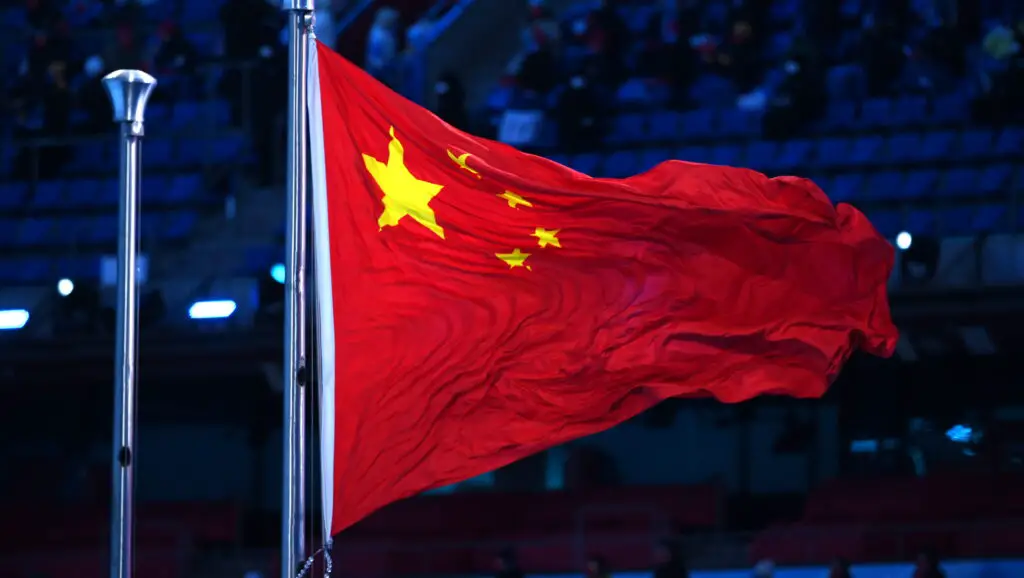
In a powerful counter-response, the Trump administration is reportedly weighing various measures, including sweeping curbs on exports to China for items manufactured with or incorporating US-made software, according to a recent Reuters report. This potential escalation signals a deeper entanglement of geopolitics with the very infrastructure of digital innovation.
This consideration directly follows President Trump’s earlier pledge to impose export controls on “any and all critical software,” an announcement made alongside a new 100% tariff on Chinese goods. While discussions are ongoing, US authorities have confirmed that a broad restriction on software exports is indeed a serious option, potentially reshaping the global tech landscape.
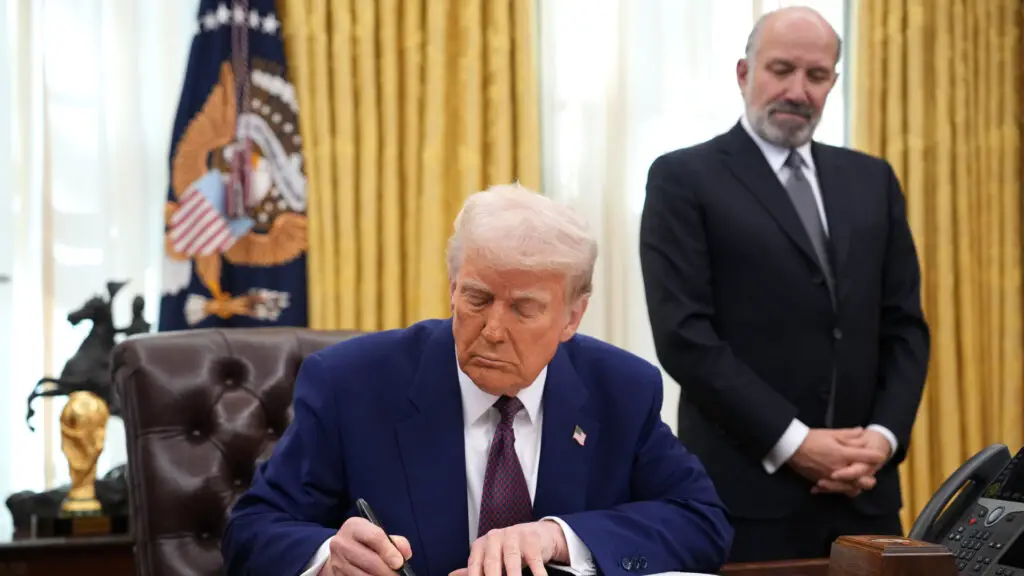
US Treasury Secretary Scott Bessent emphasized the severity of the situation, stating that “everything is on the table” regarding these potential software limitations. He indicated that such export measures, encompassing software, engines, and other critical components, would likely be coordinated with G7 allies, signaling a united front against perceived trade imbalances.
Decoding the Potential Impact of Software Export Restrictions on the Tech Ecosystem
For developers and tech enthusiasts following Digital Tech Explorer, the implications of these proposed restrictions are vast. US software forms the bedrock of countless global products, from sophisticated hardware like jet engines to essential farming equipment. Should these controls be implemented, the ripple effect across industries could be substantial.
Consider the ubiquity of US-developed operating systems such as Microsoft Windows and Google’s Android across China. While alternatives like Huawei’s Harmony OS are emerging, prohibiting the export of US-software-reliant devices and equipment to China would deal a significant blow to the Chinese economy and its rapidly evolving tech sector. This move could force a dramatic acceleration of indigenous software development, potentially splintering global tech standards.
The scope of these restrictions is a critical detail. While some reports suggest any item containing US-made software could be impacted, a more pragmatic approach might involve a “de minimis rule.” This would define restrictions based on a specific percentage value of US software within a product’s manufacturing, creating a complex web of compliance for global tech companies.
The current dynamics between the US and China can be characterized as a high-stakes game of brinksmanship, with both nations ratcheting up their rhetoric. The upcoming meeting between US President Donald Trump and Chinese President Xi Jinping in South Korea next week will be pivotal, with these intensifying trade barriers expected to dominate discussions.
It’s conceivable that any formal announcement regarding these far-reaching export controls could be delayed until after these critical talks, given that previous face-to-face meetings with world leaders have often influenced the Trump administration’s foreign policy stances.
This timeline aligns strategically with Trump’s earlier declaration that the “critical software” export controls would take effect on November 1. With the high-stakes summit scheduled for October 30, the true extent of the US government’s measures in this escalating tech trade war will soon be unveiled, promising significant ramifications for the global tech community that Digital Tech Explorer is committed to helping you navigate.