

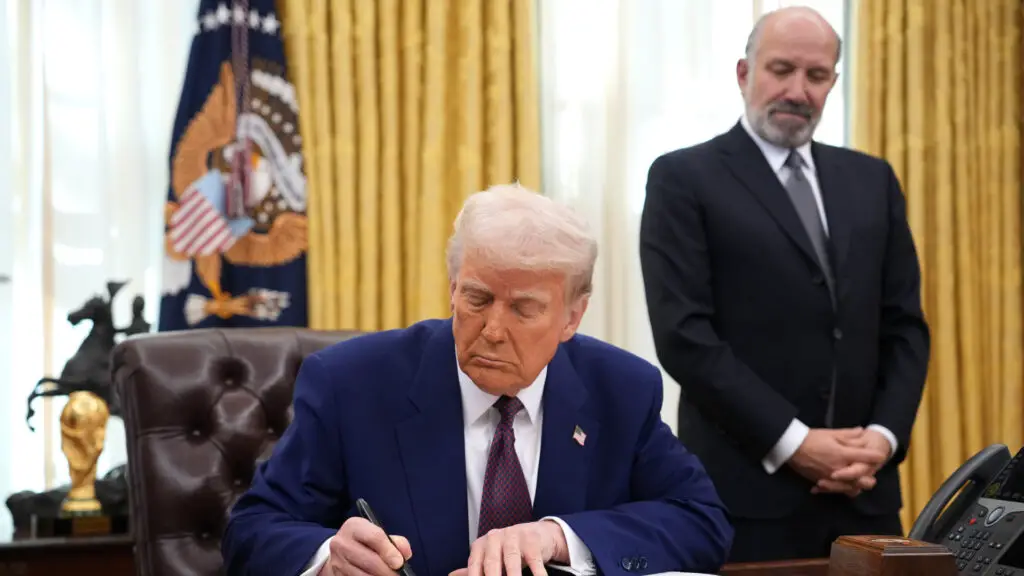
The tech world is still buzzing from yesterday’s groundbreaking Nvidia and Intel announcement: a monumental collaboration aimed at forging next-generation chips for both data centers and the consumer market. While Nvidia CEO Jensen Huang emphatically declared that the Trump administration “had no involvement in this partnership at all,” digging deeper, as we do here at Digital Tech Explorer, reveals a more intricate narrative, suggesting governmental influence may have played a significant, if unacknowledged, role.
This seismic announcement also came with news of a substantial $5 billion investment by Nvidia into Intel’s common stock, priced at $23.28 per share. What’s particularly intriguing, according to sources privy to The New York Times, is that the Trump administration reportedly approached Nvidia back in January, urging the tech titan to invest in the chipmaker. Adding another layer to this digital drama, the U.S. government has since made its own considerable $8.9 billion investment in Intel.
Financial Currents and Analyst’s Scrutiny
Following yesterday’s news, Intel’s share price surged by nearly 23%, catapulting the government’s stake to an estimated $13 billion. Yet, not all industry watchers are convinced this was a purely market-driven maneuver. Alex_Intel, a respected U.S. semiconductor industry analyst writing on Substack, highlights a pertinent detail: Intel’s chief financial officer had previously stated at a recent conference that the company wasn’t actively seeking further stake sales. This suggests Intel might have strategically paused capital raising, perhaps anticipating an increase in its share price to secure future investments at a higher valuation.
The analyst also voiced skepticism regarding Huang’s rationale for such a significant equity investment. When pressed for justification, Huang articulated, “Because we thought it was going to be such an incredible investment. This is a big partnership, and we think it’s going to be fantastic for Intel. It’s going to be fantastic for us. And we’re building revolutionary products [that are] going to address some $50 billion annual market.”
However, as TechTalesLeo often uncovers in the nuances of tech deals, the analyst quickly points to Nvidia’s established relationships with other manufacturing giants like TSMC, SK Hynix, and Tower. Nvidia collaborates extensively with these companies without ever taking similar financial stakes. This stark contrast casts a shadow of doubt, compelling us to question the underlying motives behind this particular investment in Intel.
Political Undercurrents and Strategic Alignment in the Tech Landscape
Peering behind the curtain, Alex_Intel speculates that Nvidia’s stake in Intel was likely influenced by the Trump administration, especially given Jensen Huang’s apparent desire to expand AI chip sales to China. The political ramifications woven into this deal are undeniably profound, particularly when considering President Trump’s recent, dramatic shift in stance concerning Intel’s new CEO, Lip-Bu Tan.
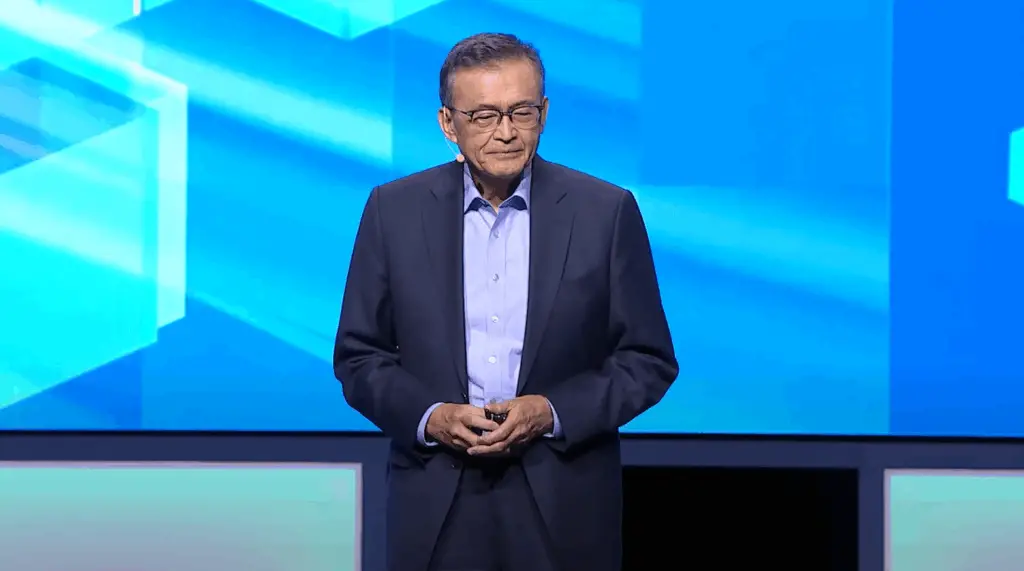
Initially, Trump had vehemently demanded Tan’s resignation, citing a potential conflict of interest stemming from his ties to Chinese businesses. Yet, just a week later, following a personal meeting with the new Intel chief, the President executed a complete about-face, praising Tan’s rise as “an amazing story.” This pivotal meeting, which directly preceded the government’s own investment, was also attended by key figures: U.S. Secretary of Commerce Howard Lutnick, and Secretary of the Treasury Scott Bessent.
For some time, the Trump administration has been a vocal advocate, strongly pushing chipmakers to establish production facilities on U.S. soil. Viewed through this lens, the strategic move to financially interlink two American tech powerhouses like Nvidia and Intel deeply aligns with the administration’s broader objectives: bolstering domestic tech production and enhancing America’s competitive edge in the global semiconductor arena.
While the precise terms and clandestine discussions remain shrouded in secrecy, what emerges clearly from this intricate web is that this partnership extends far beyond a simple business transaction. As TechTalesLeo frequently highlights, understanding the full scope of digital innovation often requires looking beyond the headlines. This arrangement, however complex its origins, appears to be yielding substantial financial dividends for all primary stakeholders: Nvidia, Intel, and the U.S. government, with all major players certainly seeming to be financially benefiting in the short term. Here at Digital Tech Explorer, we’ll continue to track the evolution of this landmark collaboration and its implications for the future of hardware and AI development, helping our readers stay ahead of these crucial tech trends.