

Gamers Deserve Clarity: UK Parliament Debates Videogame Ownership and the Legacy of Live Service Failures
Yesterday, a crucial debate unfolded in the UK Parliament, sparked by an e-petition from concerned constituents regarding consumer law and videogame ownership. At the heart of the discussion was the mounting frustration among players who feel a lack of true ownership over their digital game libraries, often left in the lurch when major studios abruptly cease support for live service titles. This resonates deeply with the mission of Digital Tech Explorer, as we constantly aim to help our community navigate the evolving landscape of digital products and make informed decisions.
“I come to the debate not only as a member of Parliament, but also as a lifelong gamer,” stated Ben Goldsborough MP during the e-petition debate. He highlighted the immense economic and cultural contribution of the videogame industry to the UK, emphasizing its role in shaping stories, art, music, and technology. This perspective underscores the broad impact of technology, a topic TechTalesLeo often explores, bridging complex innovations with everyday experiences.
The E-Petition for Modern Consumer Protection
The petition, now closed with an impressive 189,887 signatures, aimed to compel the UK government to update consumer law. Its core objective: to prohibit publishers from disabling previously sold videogames without offering appropriate refunds. For tech enthusiasts and developers, this is more than just a convenience issue; it’s about the fundamental rights of digital consumers.
While achieving significant legislative change can be a lengthy process, especially in the rapidly evolving digital sector, the discussion itself is a vital step. We’ve seen some positive movement with the Digital Markets, Competition and Consumers Act 2024, which aims to strengthen consumer protections. For Digital Tech Explorer, observing parliamentary bodies take these digital consumer issues seriously is a promising sign for future tech regulation.
Understanding Evolving Game Ownership in the Digital Age
“The nature of games has changed,” Goldsborough continued, articulating a key point for Digital Tech Explorer’s audience. “Many modern titles are live services, constantly updated, server-dependent, and reliant on ongoing operational costs. It’s not inherently a bad thing, live services have created vibrant global communities, but it has also changed what it means to ‘own’ a game.”
He further elaborated on the profound loss when a game shuts down, stating: “When a game shuts down without clear notice, the investment is lost. The shared world disappears. The Videogame History Foundation estimates that 87% of games released before 2010 are now critically endangered. This is not just a consumer issue; it is a cultural one. This debate is not just about keeping games playable; it’s about preserving our cultural heritage.” This sentiment deeply aligns with TechTalesLeo’s focus on the cultural impact of technology and the need to preserve digital innovation.
MP Warinder Juss echoed this concern, highlighting a stark contrast: “We do not accept our mobile phones being switched off whenever a company produces a new model and wants us to buy the new model. So why should we allow thousands of pounds worth of games to be made unplayable just because new games have been introduced?”
The Rising Tide of Game Closures and Their Impact
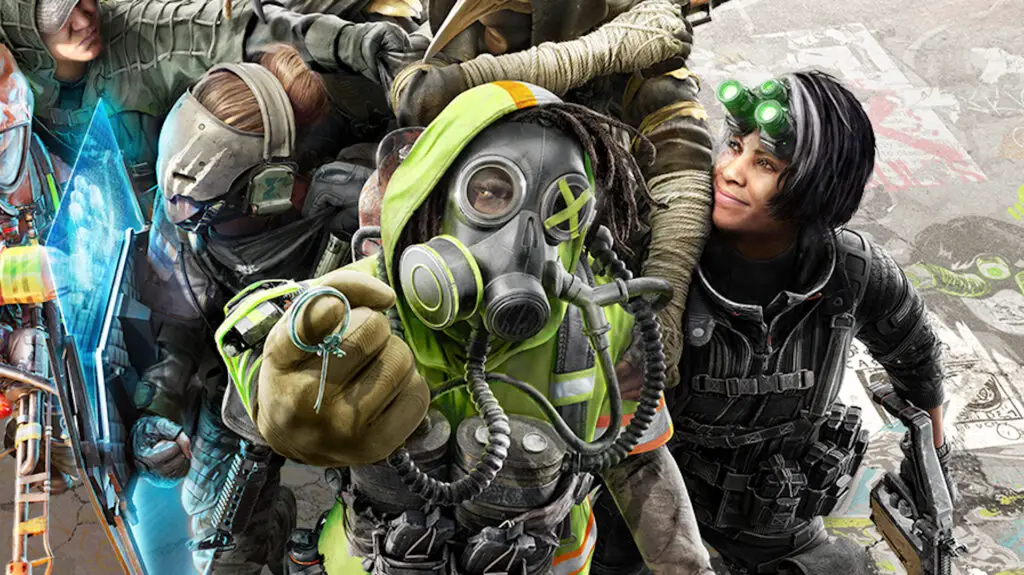
In recent years, the lifecycle of live service games has become increasingly volatile. Titles launch, garner some attention, and then often vanish as publishers pivot, sometimes offering vague justifications for their decisions. When XDefiant closed its servers, Ubisoft attributed it to simply “not having the gas to go the distance.” Other games, like New World, face content freezes before eventual shutdowns, while some don’t even make it out of development.
However, few cases have captured public attention quite like Concord. This particular title has become a touchstone in discussions about live service game instability, even making its way into the Commons debate as a cautionary tale for the industry.
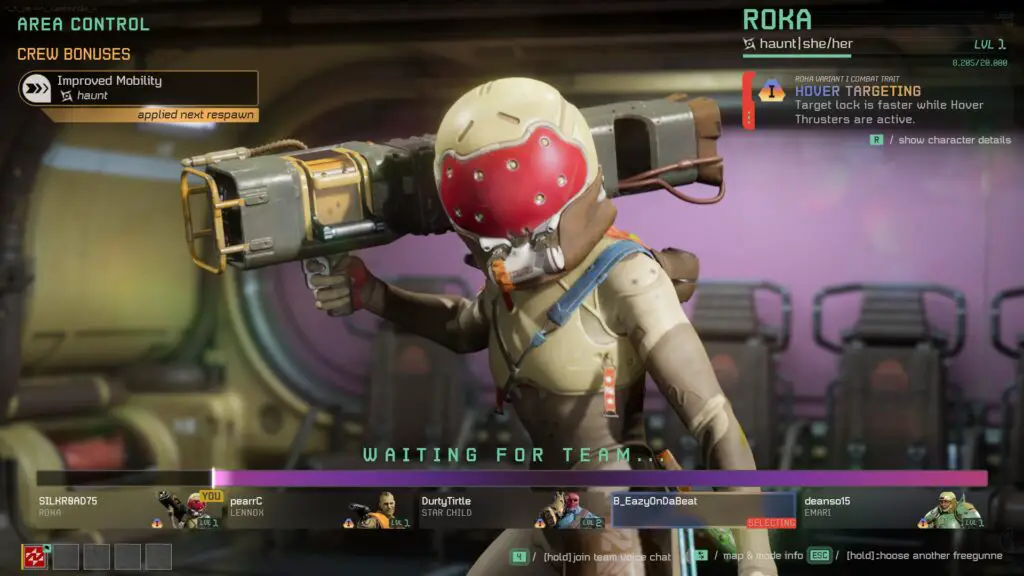
“A recent example is ‘Concord’, a game released for PlayStation 5 and Windows in August 2024,” MP Henry Tufnell elaborated. “Following a disappointing launch, Sony Interactive Entertainment made a commercial decision to shut it down. To its credit, Sony refunded all purchases, but that is not always the case. Members will agree that if publishers fail to make the lifespan of a game clear at the point of sale, they must be held accountable.”
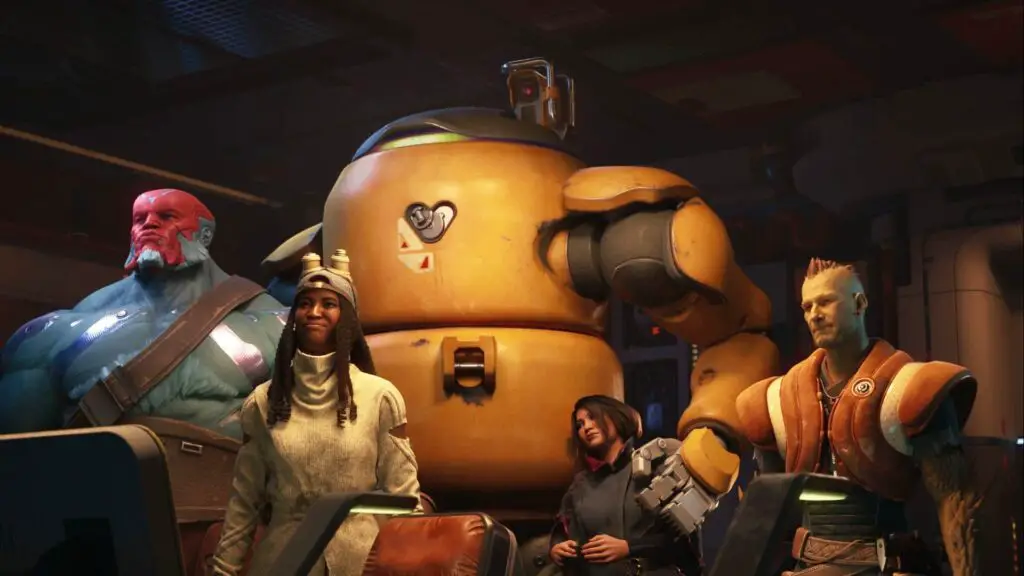
Concord’s rapid implosion after its launch vividly illustrates the risks players face when investing in live service models. Its story serves as a potent reminder of why petitions like this exist, pushing for greater consumer protections and transparency from publishers regarding the longevity of their digital products.
As TechTalesLeo often emphasizes, clarity is paramount in the digital sphere. Players have every right to expect reassurance that their investments are protected, either through continued service or guaranteed refunds, should a studio falter. “I would urge the government to explore funding, partnerships, and sector support to ensure we maintain a library full of significant games,” Goldsborough concluded, drawing a powerful analogy: “We would never imagine pulping every copy of Shakespeare, and we should not think any differently about videogames.”
While a blanket requirement for developers to define end-of-life strategies could potentially stifle innovation, the core message remains clear: “Gamers deserve clarity. If a game is likely to go offline, they should be told.” This parliamentary debate is a critical step towards a future where digital ownership is better understood and protected, helping Digital Tech Explorer’s community of developers and tech enthusiasts make more informed choices.