
In a significant development for cybersecurity, UK national Thalha Jubair was apprehended in East London last week, now facing a cascade of charges from both British and US authorities. In the UK, these charges are linked to a cyber attack targeting Transport for London’s systems in 2024. Simultaneously, the US Department of Justice has brought forth charges for “conspiracies to commit computer fraud, wire fraud, and money laundering,” highlighting the global reach of such digital threats—a topic Digital Tech Explorer consistently brings to light for our tech-savvy audience.

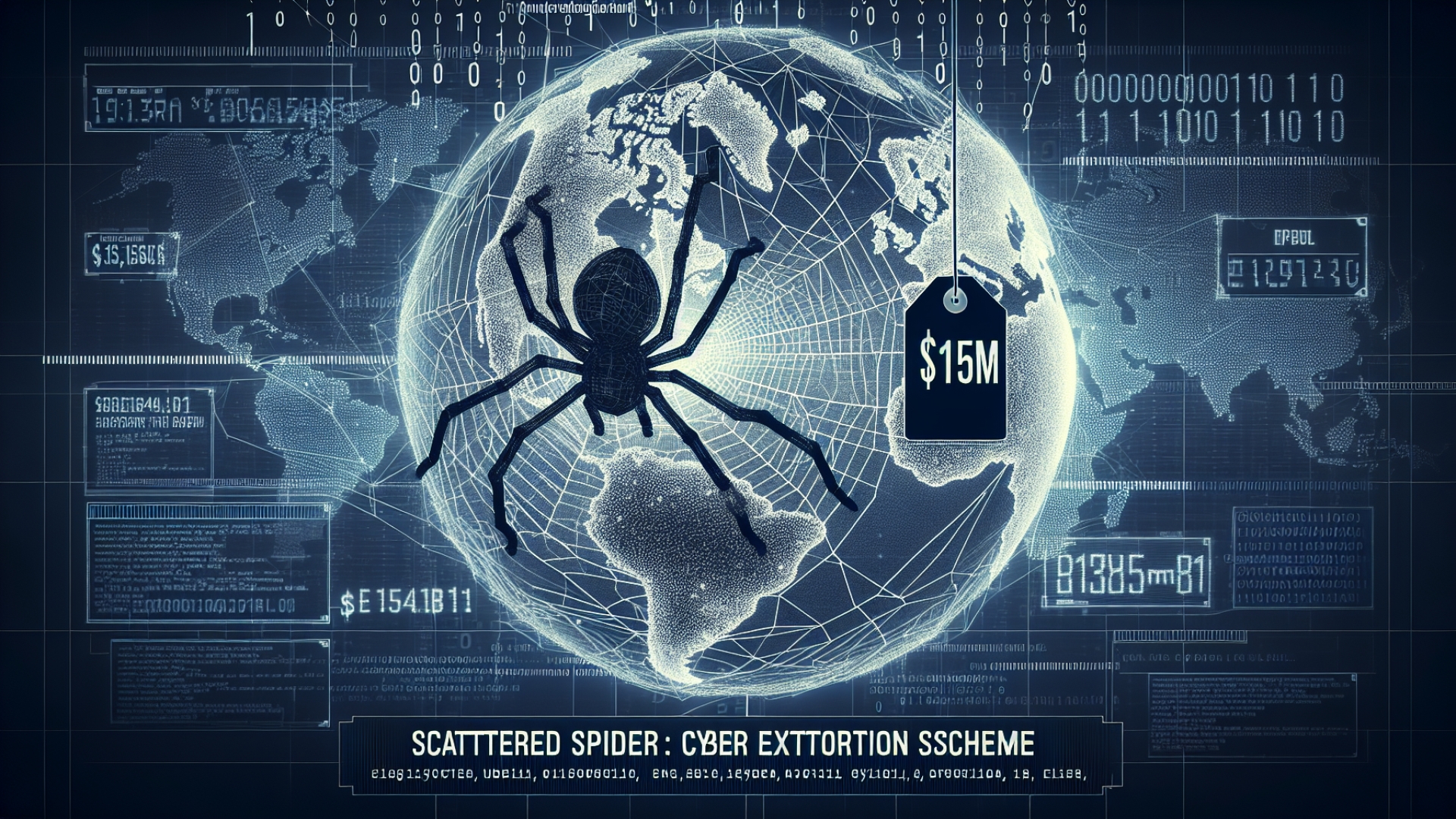
Jubair is alleged to be connected to a prolific cyber extortion operation executed by a group ominously known as Scattered Spider. As shared by Acting Assistant Attorney General Matthew R. Galeotti of the US Justice Department’s Criminal Division, this group is reportedly responsible for at least 120 attacks globally, extorting over $115 million in ransom payments from its victims. As TechTalesLeo, I aim to unravel the complexities of such digital threats, making these intricate details accessible and engaging.
Understanding Scattered Spider and Its Legal Repercussions
Scattered Spider is characterized not by a fixed structure, but as a fluid collective of threat actors. This elusive group is behind numerous malicious intrusions and ransomware activities, primarily targeting critical infrastructure, technology firms, and retail companies, with a notable focus on organizations within the US and UK. They deploy a diverse arsenal of tools and sophisticated techniques to infiltrate systems and execute data extortion campaigns.
While the specific penalties Jubair faces in the UK remain undisclosed, the US case against him is comprehensive. The charges encompass computer fraud conspiracy, two counts of computer fraud, wire fraud conspiracy, two counts of wire fraud, and money laundering conspiracy. Should he be convicted on all counts, he could face a maximum sentence of 95 years in federal prison.
Despite the high-profile arrest, it is important for developers and tech enthusiasts to understand that this event is unlikely to significantly curb the overall volume of cyberattacks against major corporations. This is because Scattered Spider operates less as a cohesive, organized gang and more as a label for threat actors employing a specific, readily available toolkit and methodology. With these essential tools and techniques widely accessible, recruiting new individuals to perpetrate these digital assaults remains an ongoing challenge, underscoring the dynamic nature of cybersecurity threats that Digital Tech Explorer consistently monitors.
While a majority of digital attacks, especially those involving ransomware, ultimately fail, the financial toll of successful data breaches or the escalating demands for ransom continue to grow. Organizations can proactively implement standard cybersecurity measures to combat these threats, and individuals also have crucial steps they can take to protect themselves on an individual basis. Vigilance is paramount, especially considering that phishing remains the most prevalent method for gaining unauthorized access to sensitive data, an insight that TechTalesLeo believes is vital for everyone in the digital realm.

Although it might feel taxing to approach every email or message with a degree of suspicion, this minor inconvenience is a far more manageable price to pay than the potentially devastating consequences of a successful cyberattack. Staying informed and practicing robust digital hygiene, as Digital Tech Explorer always advocates, is our best defense in an ever-evolving digital landscape.