

In the dynamic world of silicon and semiconductors, one titan continues to redefine dominance: Taiwan Semiconductor Manufacturing Company (TSMC). As Digital Tech Explorer closely tracks the pulse of global tech, TSMC’s performance in the second quarter of 2025 presents a compelling narrative of innovation and strategic growth. The company has cemented an unparalleled market share of 70.2% in the global foundry market, a figure that underscores its pivotal role in powering everything from our smartphones to advanced AI systems.
This commanding position is backed by an astonishing $30.24 billion in revenue for the quarter, marking a robust 18% increase quarter-over-quarter. For developers and tech enthusiasts, this isn’t just a number; it reflects the accelerating demand for cutting-edge processors that drive the latest innovations. The entire semiconductor industry is riding this wave, with global foundry revenue climbing 14.6% compared to the first quarter, reaching a substantial $41.7 billion.
As TechTalesLeo illuminates, amidst this industry surge, TSMC is not merely reacting but actively shaping the future. The company is aggressively accelerating its plans for next-generation 1.4 nm silicon manufacturing, a critical step that signals its intent to maintain and extend its technological lead for years to come, influencing everything from high-performance computing to future AI capabilities.
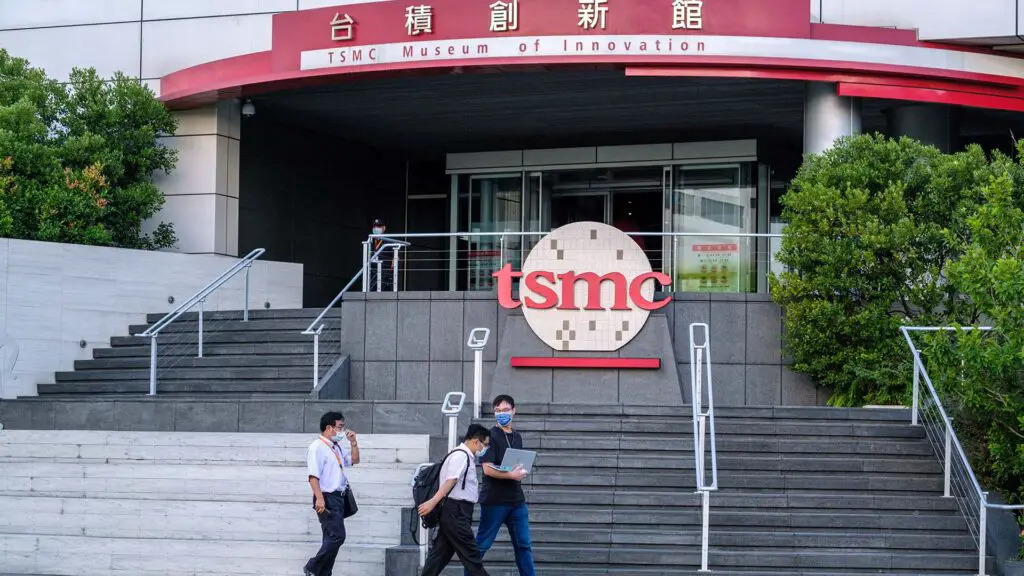
Q2 2025 Foundry Market Snapshot
To provide a clear picture of the current landscape, here’s a breakdown of the key players and their performance in Q2 2025:
| Foundry | Q2 2025 Revenue | Market Share | Key Contributions/Notes |
|---|---|---|---|
| TSMC | $30.24 billion | 70.2% | Driven by smartphone production ramp-ups, AI GPUs, high-performance notebooks, and PCs. |
| Samsung Foundry | $3.6 billion | 7.3% | Significant contribution from Nintendo Switch 2 chip production. |
| Global Industry Total | $41.7 billion | 100% | 14.6% QoQ growth; fueled by seasonal demand and China’s consumer subsidy program. |
Factors Fueling Industry & TSMC’s Ascendance
According to insightful market analysis from Trendforce, the industry-wide uptick we’re witnessing is largely attributed to a dual force: the eagerly anticipated seasonal demand for new devices such as advanced smartphones, next-gen PC components, and enterprise servers, coupled with China’s proactive consumer subsidy program that has spurred early stocking. This confluence of factors creates a fertile ground for growth across the tech ecosystem.
TSMC, in particular, is masterfully leveraging this momentum. Its exceptional growth is primarily propelled by major smartphone clients entering their crucial production ramp-up cycles for new flagship models. Furthermore, the relentless, insatiable demand for cutting-edge AI GPUs—the very brains behind the AI revolution—along with a renewed interest in high-performance notebooks and PCs, is pushing wafer shipments to unprecedented heights. This speaks volumes about the hardware foundations underpinning modern digital innovation.
Competitor Performance: Samsung Foundry’s Position
While TSMC’s lead is undeniable, its closest competitor, Samsung Foundry, also demonstrated positive results in Q2 2025, securing the second-place position. Samsung reported $3.6 billion in revenue, capturing a 7.3% market share. A noteworthy contributor to its performance was the crucial production of chips for the highly anticipated Nintendo Switch 2, a testament to its capabilities in consumer electronics.
Despite this success, the chasm between these two industry giants remains immense. With TSMC’s market share approaching nearly ten times that of Samsung’s, the Taiwanese foundry’s leading position appears virtually unassailable, dictating the pace of innovation in the global semiconductor landscape. This scale of leadership is critical for anyone tracking hardware development and future tech trends.
Navigating Challenges: Espionage, Geopolitics, and Tariffs
However, even the most dominant players face headwinds. As TechTalesLeo often explores the human element within technology, TSMC’s journey has not been without its challenges. The company has recently grappled with significant internal issues, including serious allegations of corporate espionage. At least one employee was fired, and several others were arrested by Taiwanese authorities for allegedly leaking sensitive trade secrets related to the company’s cutting-edge 2 nm process node to a Japanese firm. This incident highlights the intense competition and the high stakes involved in maintaining technological superiority.
Beyond internal security, TSMC also faces external geopolitical and economic pressures that could reshape the industry. The ongoing issue of international tariffs poses a significant risk to its global operations. There’s considerable speculation that chips produced at TSMC’s new Arizona foundry could face price increases of as much as 30%. Such a development would have far-reaching implications, potentially impacting the cost of future products—including those built on the upcoming 1.4 nm silicon—for US consumers and the broader tech market. Digital Tech Explorer will continue to monitor these critical developments, providing insights to help our audience stay informed on the forces shaping tomorrow’s tech landscape.