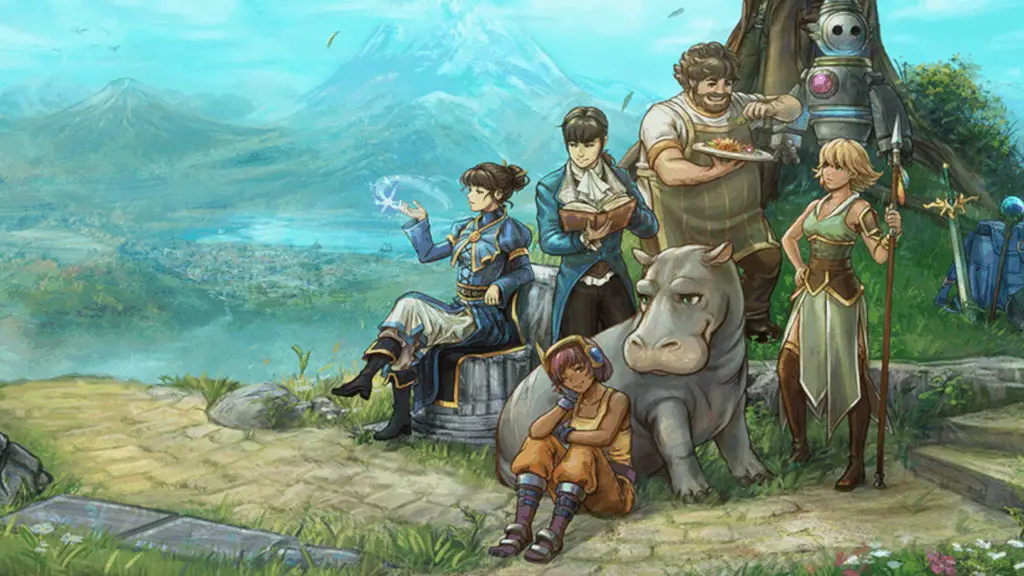
Here at Digital Tech Explorer, we’re always on the lookout for the most intriguing and specific innovations in software development. Our latest find comes from Quartet, a charming turn-based RPG developed by a nimble four-person team. This game has captured our attention not just for its gameplay, but for a truly unique UI option: the ability to toggle the Oxford comma on and off.
For those who might need a quick refresher, the Oxford comma (also known as the serial comma) is a grammatical convention where a comma is placed before the final item in a list. Its primary purpose is to enhance clarity and prevent potential misinterpretations. Consider the difference between “I’d like to thank my parents, my brother, and God” versus “I’d like to thank my parents, my brother and God”—the distinction is clear, illustrating the comma’s power in conveying precise meaning.
The Remote Development Story Behind This Quirky Feature
The journey of Quartet’s development team offers a fascinating glimpse into modern remote work dynamics. Composed of four core members, the team operated with an exceptionally decentralized setup. Over seven years of production, they managed with only one scheduled, real-time meeting and have never once all been in the same physical location. In a testament to global collaboration, the team’s lead programmer, Pete, has never even met his colleagues in person, a consequence of geographical distance and a lean budget that precluded travel.
This distinct remote environment naturally fostered idiosyncratic creative processes, often leading to unexpected yet delightful innovations. While the team adhered strictly to a detailed 70-page design document, new ideas inevitably emerged along the way. Among these spontaneous additions was the intriguing concept of an optional punctuation toggle, highlighting how developer-driven insights can enrich even the most structured projects.
Pete’s Personal Punctuation Mission and Its Clever Implementation
The genesis of the Oxford comma toggle sprung directly from Pete’s personal conviction. Following a spirited disagreement over whether a particular line of dialogue required this specific comma, Pete, channeling the spirit of developer autonomy, took matters into his own hands and stealthily added the setting during a moment of unobserved coding.
From a coding perspective, the technical implementation is remarkably clever and efficient. The team integrated a custom markdown tag, `oxfordComma /`, directly into the game’s script wherever an Oxford comma could potentially be applied. When the text is rendered in the game, the system intelligently checks the player’s preference settings and either substitutes the tag with a comma or removes it entirely. This elegant solution demonstrates a practical approach to customizable text display, offering valuable insight for fellow developers.
Perhaps the most surprising revelation is the feature’s actual scope. Despite Quartet being a dialogue-rich RPG, the impact of this particular setting is minimal. After an exhaustive search through approximately 500 potential grammatical matches, the team discovered that the Oxford comma option is applicable in a grand total of just 15 distinct spots across the entire game script. It’s a testament to the passion for detail, even for the smallest features, that defines dedicated game development.
For developers, writers, and narrative designers navigating the nuanced world of digital content creation, this story from *Quartet* offers a unique perspective. It illustrates how meticulous attention to detail and a touch of personal flair can lead to unique user experiences, even in the smallest of UI toggles.
If you appreciate classic turn-based RPGs and ingenious development stories, we highly recommend you check out Quartet on Steam. Beyond its charming quirks, it stands out as a well-crafted game with a perfect classic vibe, offering a delightful blend of gameplay and unique developer insights. For more intriguing looks into game development, software solutions, and emerging tech trends, stay tuned to Digital Tech Explorer.