
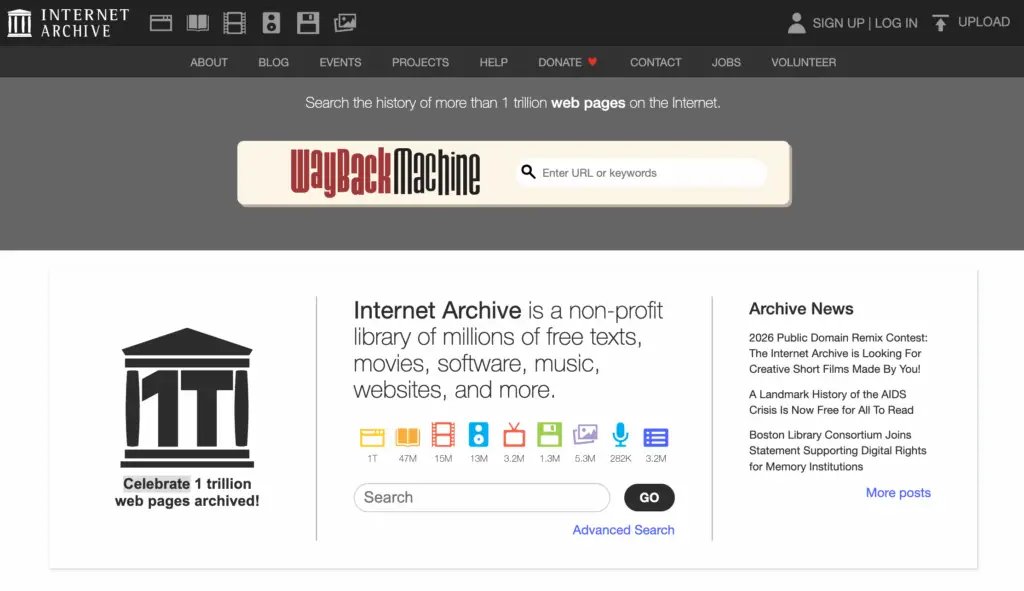
In the vast and ever-evolving digital landscape, where information can be as fleeting as it is abundant, one monumental initiative stands as a tireless guardian of our collective online heritage: the Internet Archive. As a leading source for tech enthusiasts and developers, Digital Tech Explorer understands the critical importance of preserving digital history, and few organizations exemplify this mission more profoundly than the Archive. At its core, the Wayback Machine, a flagship project of the Internet Archive, is a breathtaking feat of engineering and dedication, tirelessly capturing an astounding 150 TB of data daily. This colossal digital repository, which began its journey in 1996, now encompasses an incredible 175 petabytes of data, safeguarding over one trillion web pages. It’s a testament to the enduring power of digital preservation and a vital resource for understanding the internet’s dynamic evolution.
Behind the Servers: The Archive’s Physical Footprint
While the spiritual home of the Internet Archive may resonate within a neoclassical building that once housed a Christian Scientist church in San Francisco, only a symbolic collection of servers resides there. The immense majority of the archive’s vast data is securely housed in a specialized warehouse located outside San Francisco. Crucially, this primary storage is fortified by a robust network of global backups. This distributed approach is not merely a logistical choice; it’s a strategic imperative for ensuring unparalleled data preservation and resilience against potential physical catastrophes. Such diligent archiving efforts are vital, particularly in safeguarding public records against significant loss due to events like government website deletions, making the Archive a silent hero for informational integrity.
Beyond Websites: A Universe of Digital Collections
The scope of the Internet Archive extends far beyond simply cataloging web pages. It functions as a comprehensive digital library, offering a rich tapestry of media for researchers, historians, and tech enthusiasts alike. Its diverse collections are staggering:
- Approximately 49 million books, providing a wealth of knowledge at your fingertips.
- 13 million audio recordings, including an impressive 268,000 live concerts that capture cultural moments.
- 10 million videos, a treasure trove that includes over 3 million Television News programs, offering unparalleled insights into media history.
- Additionally, the Archive meticulously preserves 5 million images and 1 million software programs, creating an invaluable resource for anyone seeking to explore the digital heritage of our world.
The Power of Words: Book Digitization and Open Library
Since embarking on its ambitious book digitization efforts in 2005, the Internet Archive has scaled an impressive operation, now scanning an average of 4,400 books per day across 20 locations worldwide. This initiative democratizes access to a vast number of literary works. For older texts, specifically those published in or prior to 1929, direct download is often available, offering unrestricted access. For more contemporary titles, hundreds of thousands of modern books can be digitally borrowed through the archive’s innovative Open Library platform. While these efforts have greatly expanded access, the program faced a significant challenge recently with a lawsuit leading to the unfortunate removal of 500,000 books from its digital shelves.
Documenting Broadcasts: Archiving Television News and Historical Events
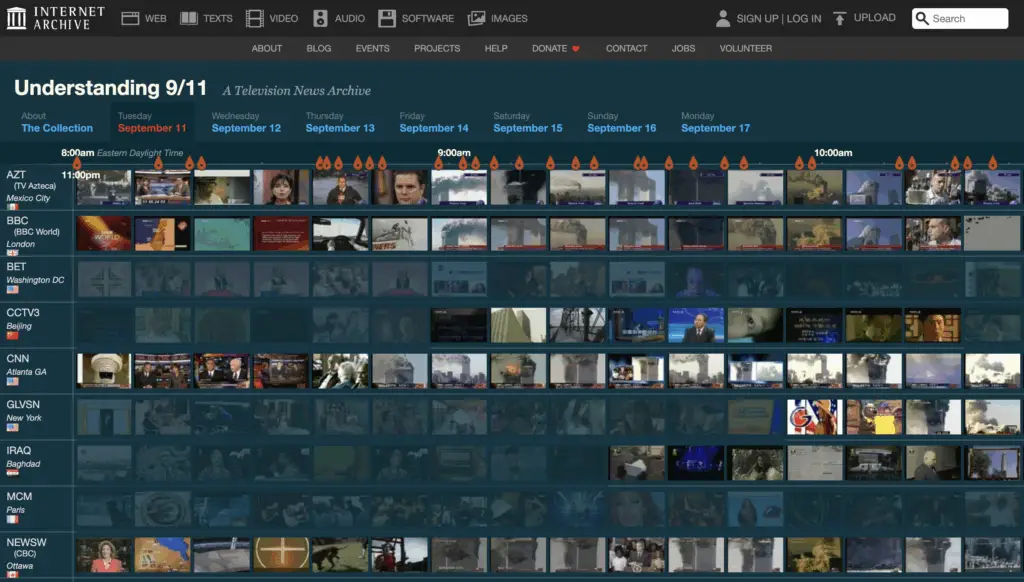
Recognizing the pivotal role broadcast media plays in shaping and documenting history, the Internet Archive began its television content preservation in late 2000. Its inaugural major TV project focused on the comprehensive news coverage surrounding the events of September 11, 2001. Building on this foundation, the organization established the searchable TV News Archive in 2009. This groundbreaking resource offers a powerful tool for media analysis and historical research, allowing users to search US television news broadcasts not just by keywords, but specifically by their captions—a remarkable feat of data accessibility that offers invaluable insights for those tracking historical narratives and media trends.
As TechTalesLeo often explores, technology is an ever-evolving narrative, and the Internet Archive embodies this by constantly looking ahead. Even as it meticulously documents the past, the organization is forward-thinking, currently experimenting with ways to preserve news interactions from chatbots, acknowledging the emerging landscape of AI-driven information consumption. This pioneering spirit ensures that future generations will have a comprehensive record of how we interact with technology. For those eager to witness this incredible operation firsthand and delve deeper into the monumental task of preserving our digital heritage, the Internet Archive offers free public tours every Friday at 1 PM at its San Francisco facility. It’s an inspiring opportunity to connect with the very essence of digital preservation and understand its profound impact on our technological future.