
Imagine a gaming studio, reeling from a blockbuster success, suddenly plunged into utter chaos. This was the tumultuous environment in which the highly anticipated sequel to 2009’s blockbuster Modern Warfare 2 began development. The very studio that created Call of Duty, Infinity Ward, was in a state of collapse. A severe power struggle between publisher Activision and Infinity Ward’s founders, Jason West and Vince Zampella, culminated in their acrimonious departure from the company. The split led to lawsuits, with West and Zampella suing for wrongful termination and Activision countersuing, alleging the pair were driven by “envy and personal greed.” Following the conflict, a significant exodus of veteran developers left the studio critically understaffed, leaving a gaping hole at the heart of the team tasked with delivering the highly anticipated sequel, Modern Warfare 3.
Sledgehammer Games Steps In
To salvage the project and the future of the franchise, Activision made a bold move, turning to another pair of proven industry leaders: Glen Schofield and Michael Condrey. Fresh from co-founding Sledgehammer Games within Activision after their success with the Dead Space series, they were already deep into developing their own ambitious project. For six months, their team had been working on ‘Fog of War’, a unique third-person Call of Duty spin-off with horror elements set in Vietnam. Despite their deep commitment to this unique vision – an intense, personal battle experience with a horror twist – Activision made an unavoidable request: abandon ‘Fog of War’. The new, urgent mission was to step in and co-lead the development of Modern Warfare 3 alongside the beleaguered Infinity Ward.
Crafting the New Narrative
With the weight of the franchise on their shoulders, Glen Schofield faced an immediate, formidable challenge: crafting a compelling narrative for the new game. In initial meetings, the remaining Infinity Ward team, depleted and with other focuses, showed little appetite for tackling the story. They deferred to Schofield’s team, effectively handing over the narrative reins. While many expected the story to pick up in the immediate aftermath of the Washington D.C. invasion from Modern Warfare 2, Schofield had a different vision. He decided to shift the conflict to a new, iconic American battleground: New York City. This decision was rooted in a personal connection; Schofield had lived in both Manhattan and Brooklyn for years. His intimate familiarity with the city infused the game with authentic, personal touches, notably a memorable sequence where players navigate a submerged Brooklyn Battery Tunnel—a harrowing commute Schofield knew intimately.
Collaboration and Creative Friction
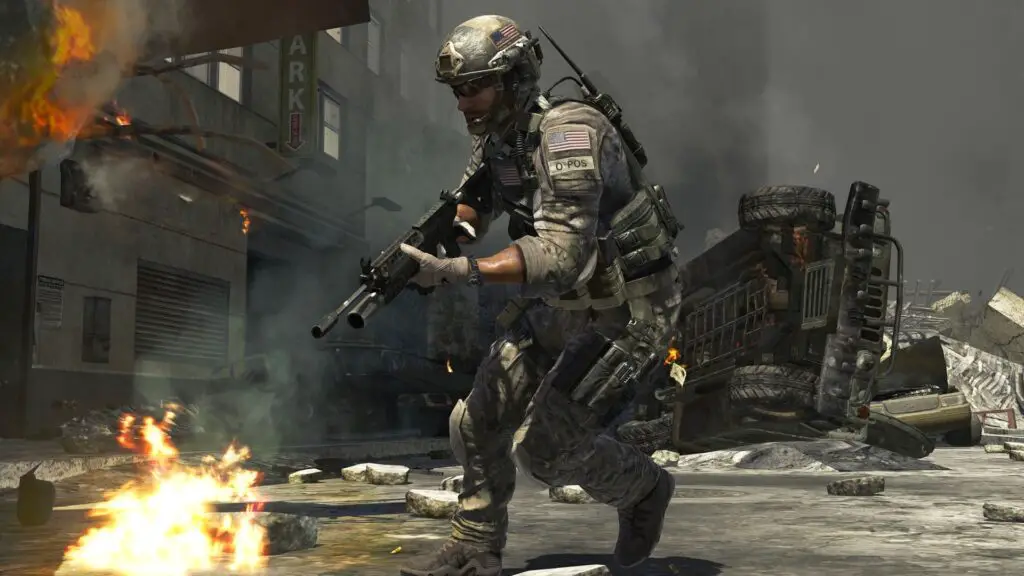
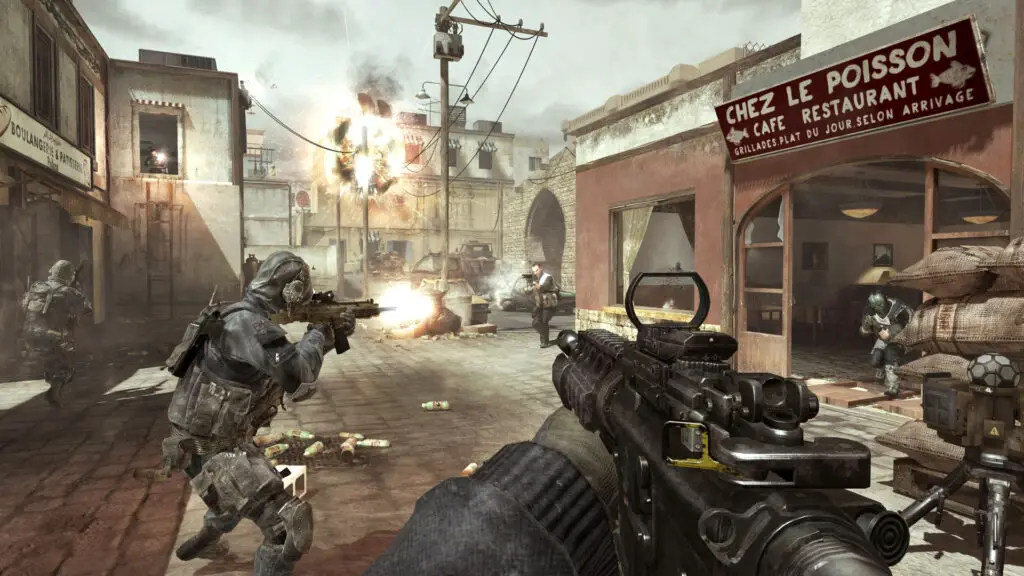
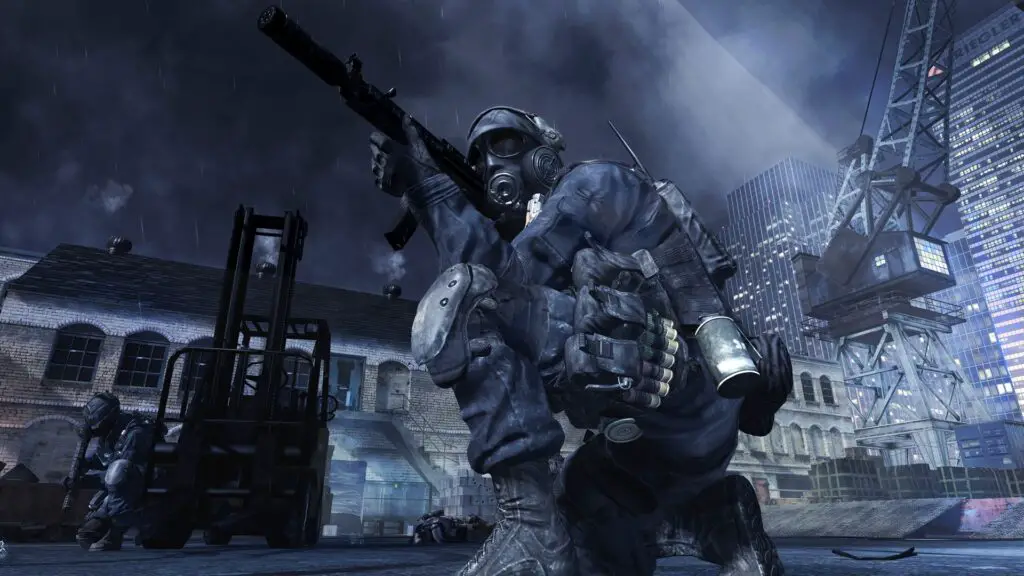
The ensuing joint development between the newly arrived Sledgehammer Games and the depleted ranks of Infinity Ward formed a complex and often tense dynamic. While Sledgehammer took charge of the single-player campaign’s story, Infinity Ward focused its considerable talent on the game’s multiplayer component. Yet, Infinity Ward also took ownership of one of the campaign’s most talked-about levels, the infamous ‘Davis Family Vacation’. This level, which depicted a chemical attack in London through the eyes of a civilian family, was a hallmark of Infinity Ward’s capacity for shocking, perspective-shifting moments. This collaboration was not without its challenges. Creative friction inevitably arose, sometimes manifesting in dramatic ways, like one team controversially eliminating a character integral to the other’s vision. Sledgehammer ultimately made the controversial decision to kill off the fan-favorite character Soap MacTavish. Schofield reflected on these moments not as infighting, but as a process where “creativity can come out of conflict.”
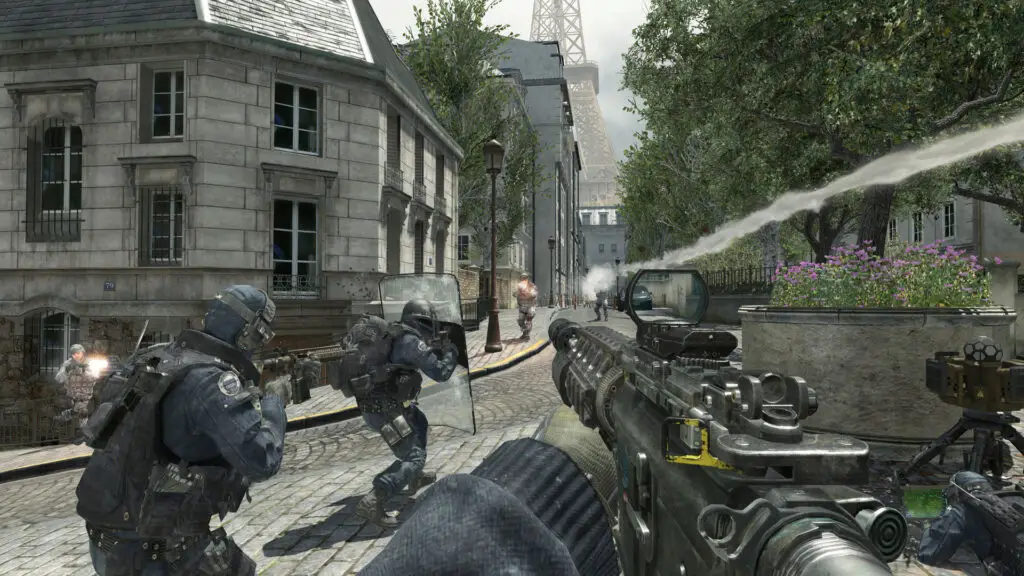
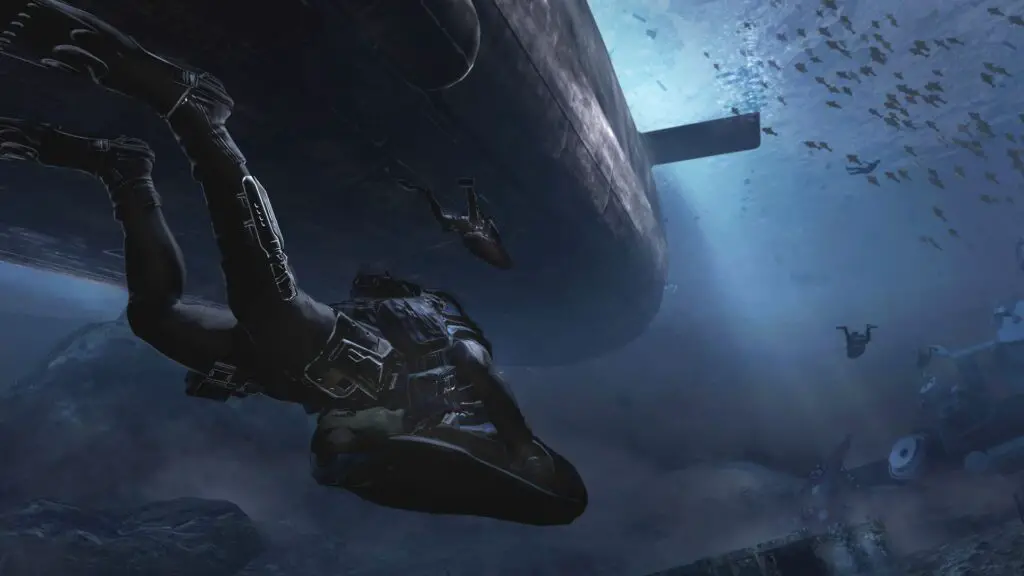
Upon its release, Modern Warfare 3 was a resounding success. The game received widespread critical acclaim and achieved record-breaking commercial sales, securing the franchise’s continued dominance. Sledgehammer Games, in what could be seen as an ultimate act of industry heroism, played a pivotal, yet often unsung, role in this triumph. They didn’t just step into a crisis; they transformed it, not only averting disaster but co-delivering one of the series’ most successful entries. This monumental achievement solidified Sledgehammer’s place as a core Call of Duty developer, a legacy that endures to this day. For Schofield, perhaps the most meaningful validation came after the launch. He recalled members of the Infinity Ward team approaching him at an afterparty to acknowledge the great job Sledgehammer had done. “I appreciated that,” Schofield said, reflecting on the initial friction. “We were sort of in charge, but they were the holders of the vision at that point, and it had to be passed on.” It was a hard-earned mark of respect, forged in one of the most challenging developments in gaming history.