
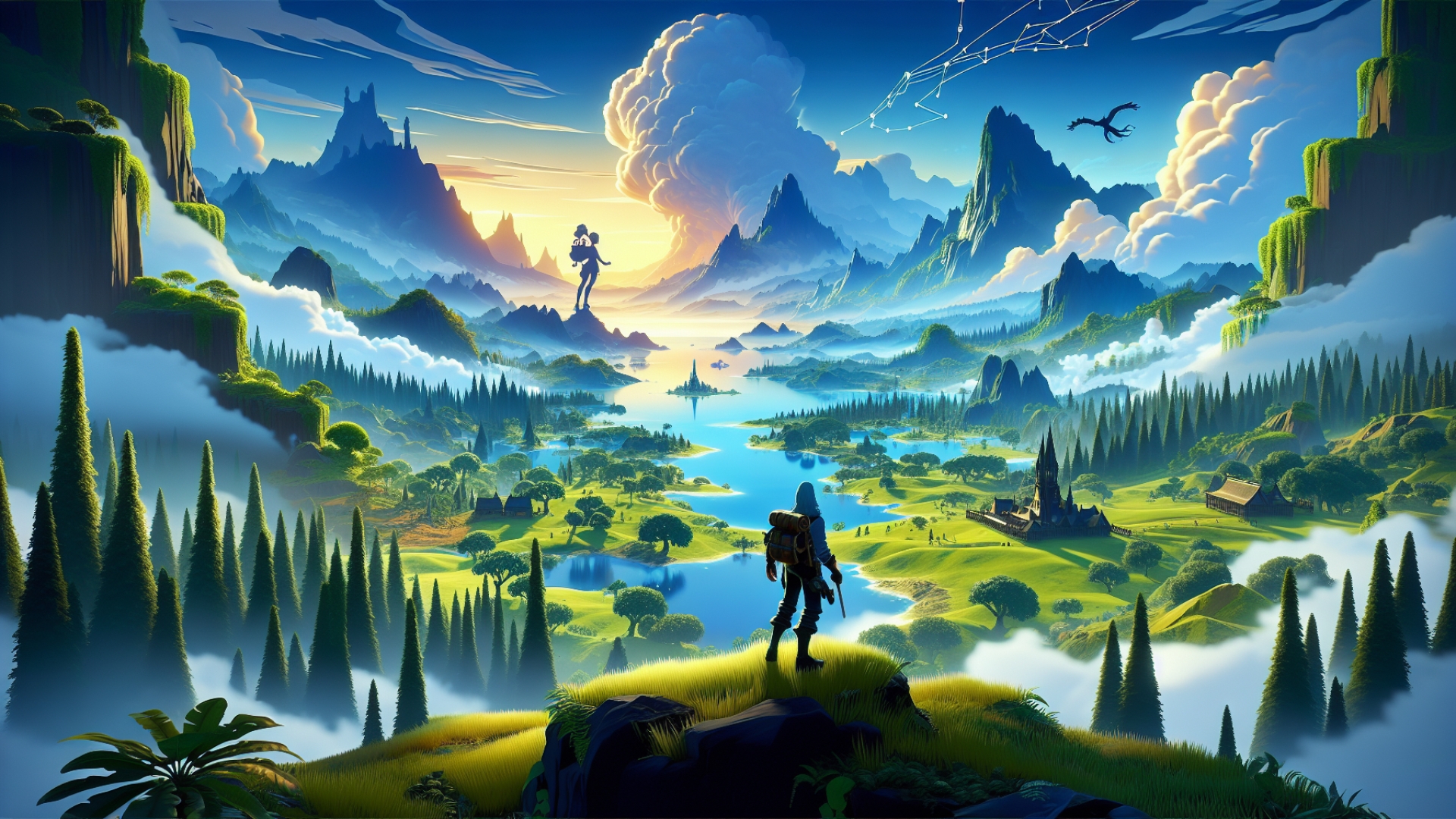
In the expansive realm of gaming, few titles command respect quite like The Witcher 3: Wild Hunt. A decade after its release, it remains a benchmark for RPGs, celebrated for its rich narrative and sprawling open world. Yet, as we delve into the archives of game development, courtesy of insights often shared on platforms like Digital Tech Explorer, it’s fascinating to uncover that this very titan of gaming faced a formidable uphill battle to secure belief and backing during its formative years at CD Projekt Red.
While CD Projekt had already demonstrated its prowess with the original Witcher and its acclaimed sequel, The Witcher 3 was a different beast altogether. It was not just an iteration; it was a grander, more ambitious, and significantly costlier endeavor. The audacious vision of seamlessly blending cinematic, story-driven narratives with a vast, explorable open world was, surprisingly, met with skepticism from potential partners.
“That was the biggest challenge back then,” Adam Badowski, CD Projekt’s joint CEO, recounted. He further elaborated on the industry’s apprehension: “Because you know, right now, it’s pretty obvious for us that we can combine storytelling and a cinematic experience with the open world, but back then, it was huge. I mean, for us, for the industry. And for some people, they really didn’t believe it was possible.” This challenge highlights a common hurdle in tech innovation: convincing others of a paradigm shift before it becomes an established reality.
CD Projekt Red had already proven its storytelling mastery. However, for The Witcher 3, the studio aimed for something more profound. Badowski explained, “Our offer was different. We will create something big, in the open world, but with solid and very cinematic storytelling.” This focus on narrative immersion within a boundless environment was a unique selling proposition, yet it proved difficult for some to grasp, as they sought more traditional gameplay hooks.
Executives often pressed Badowski on how The Witcher 3 distinguished itself from other games, particularly regarding its core mechanics. He recalled, “And they were referring to the gameplay, and our gameplay was pretty standard in The Witcher 3. It’s a combination of combat and character development, plus magic, which is kind of weak because it has to be in line with the tone of the witcher character. So in that area, it’s difficult to find something super fresh.” This candid admission underscores how innovation isn’t always about reinventing every wheel, but sometimes about perfecting the synergy of existing elements to create something extraordinary.
The difficulty lay in conveying this intricate blend of familiar gameplay and revolutionary narrative integration through a mere pitch or a script. Expecting partners to read extensive scripts or play through previous installments was a significant ask, complicating the sales process for such an ambitious project.
“I think that it’s better to inspire people than to explain it,” Badowski wisely stated, emphasizing the power of emotional connection over exhaustive detail. “Because inspiration stays in your mind and triggers your personal excitement, personal attachment to the game.” This philosophy speaks volumes about the art of selling a vision, a principle that transcends game development and applies to any groundbreaking technological endeavor.
This belief in inspiration also made Badowski a staunch advocate for demos, a practice not always popular within development studios. “It’s not that popular in companies, because devs usually think that demos simply steal daytime for the whole development of the game, or that in the demos sometimes there are scripted, fake solutions,” he acknowledged. However, his conviction remained firm: “But from my perspective, it inspires everyone because you can see the chart of the game, the real game, and you can feel it. So we had quite a few individual demos before the release.” Real-world demonstrations, even in early stages, prove invaluable for fostering belief in innovative concepts.
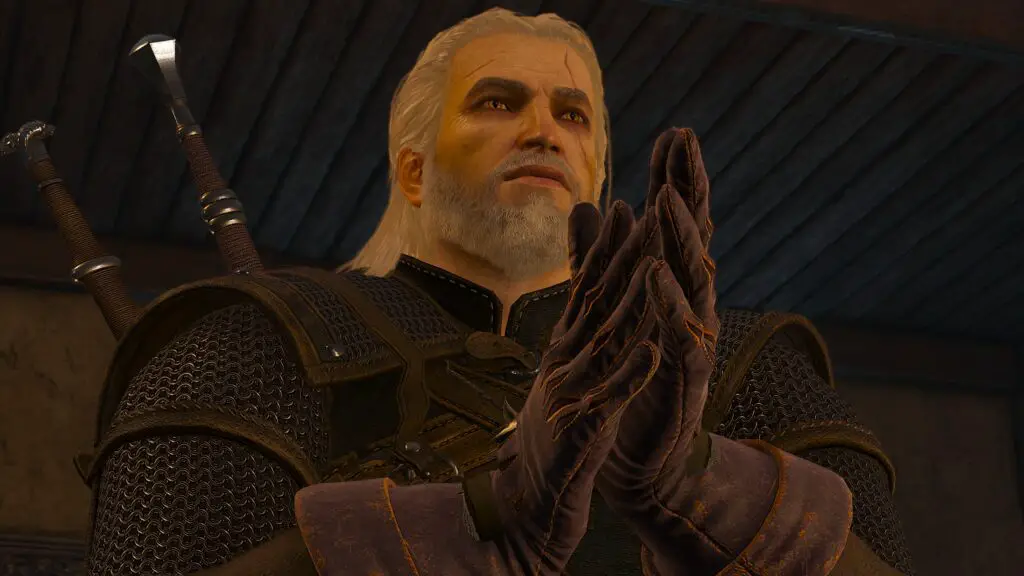
Of course, when The Witcher 3 finally launched to widespread critical acclaim, those initial doubts quickly faded. The success wasn’t just celebrated externally; it resonated deeply within CD Projekt Red itself.
“The most significant moment for the company was the release, the moment when people who didn’t even believe in the concept of the game were overwhelmed with the great reviews,” Badowski reflected. “There were high fives all the time, always screaming, shouting, ‘That’s another 10! Another 9! Another 10!’ And that’s when we became the team.” This poignant culmination of years of hard work, vision, and perseverance serves as a testament to the power of bold innovation and the unity it can forge when proven successful.
Enhance Your Gaming Journey with Digital Tech Explorer
At Digital Tech Explorer, we’re dedicated to helping tech enthusiasts and developers stay ahead of trends and make informed decisions. If you’re looking to dive deeper into the world of gaming or discover your next adventure, explore these curated resources. As TechTalesLeo consistently shares, understanding the landscape of available games is key to enhancing your experience.

- 2025 games: Stay updated on this year’s most anticipated releases.
- Best PC games: Discover our picks for all-time favorites.
- Free PC games: Uncover top-tier games that won’t cost a dime.
- Best FPS games: Master the finest gunplay available.
- Best RPGs: Embark on grand, immersive adventures.
- Best co-op games: Find titles where you’re better together with friends.
Affiliate Disclaimer: Some of the links on Digital Tech Explorer are affiliate links. This means we may earn a commission if you click through and make a purchase, at no additional cost to you. Our recommendations are based on thorough research and personal experience, aligning with our mission to provide transparent and insightful content.
Did this behind-the-scenes look at The Witcher 3’s development inspire you? Share your thoughts in the comments below, and explore more captivating tech stories and game analyses on Digital Tech Explorer!