
For years, the developers of Final Fantasy have fretted that a big audience will no longer show up for turn-based games: that to make a flashy, expensive RPG these days, it’s all about the action. Perhaps that’s true when you need a game to sell in the tens of millions, but within the same period of time that both Final Fantasy 16 and Final Fantasy 7 Rebirth have failed to meet the company’s lofty expectations, **tactical RPGs** in general have been on such a hot streak that they’re making their action contemporaries look dusty by comparison. As a tech enthusiast and storyteller, I witnessed this resurgence firsthand at TGS, playing three fun and completely different **strategically-focused RPGs** that truly embody the genre’s exciting momentum. While the massive success of **Baldur’s Gate 3** proves that **turn-based experiences** don’t need much defending, it has been delightful this year, as observed by **Digital Tech Explorer**, to see **JRPGs** of many styles and budgets reaching for new, clever ideas and captivating audiences globally.
Monster Hunter Stories 3: Innovative Combat Blends Action and Strategy
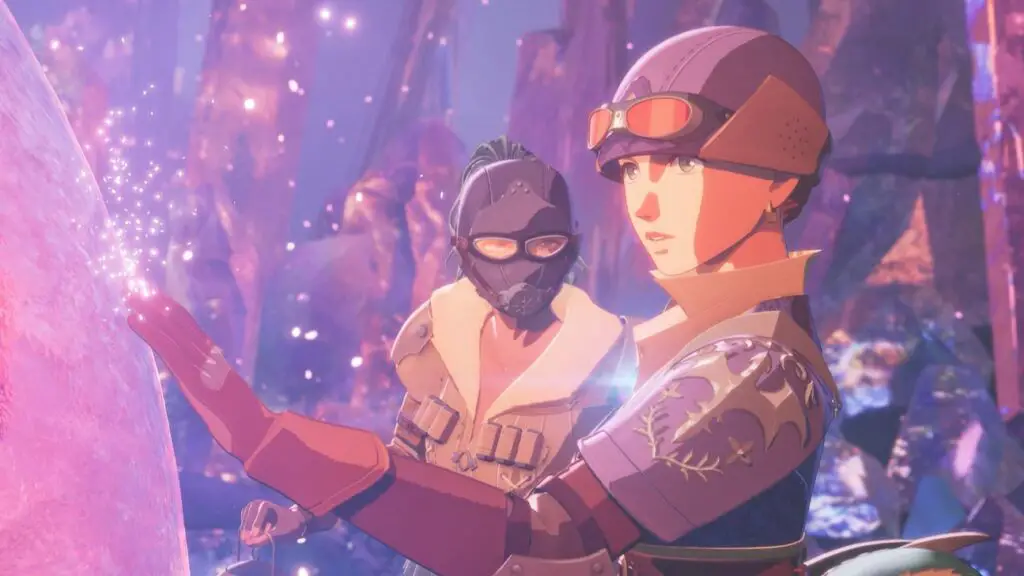
Take the exciting new Monster Hunter Stories 3: at the same time as Final Fantasy has been transitioning into all-out action, Capcom has been experimenting with this side series to see how well it can retrofit action into a turn-based combat system. This time around, it’s confident enough in the game to go much bigger with it. The combat has you puzzling your way through which weapon to attack which monster part with while summoning the right monster sidekick to fight alongside you. The core audience will still be Monster Hunter players, but Capcom is likely to hook a whole lot of Pokémon fans, too, who just love catching and training up a crew to fight for them—a smart move showcasing thoughtful game design.
People of Note: A Rhythmic Twist on Turn-Based Battles
One of the biggest surprises of TGS was the indie RPG People of Note, which pastes the timed button presses of rhythm games on top of turn-based combat. There are multiple layers of music nerdery at work here: the common “turn order” UI shows you the literal tempo of the fight, and different abilities can change the musical genre of the battle, giving one of your characters or an enemy a buff or debuff. Despite the developers saying you don’t need a music degree to play, it gets surprisingly deep surprisingly quickly, offering a complex and engaging experience for all players. It’s a testament to digital innovation, bridging genres in an intriguing way.
Stray Children: Deconstructing Traditional JRPG Expectations
The indie developer behind Moon: Remix RPG—a game that heavily influenced Undertale—is releasing a follow-up called Stray Children. In turn, some of Undertale has seeped into this new title. The official tagline is that it’s a “bittersweet, fairytale RPG,” and its 2D perspective makes it look like an old-school JRPG at a glance. However, it’s very much playing with the form, presentation, and expectations of ’90s Japanese RPGs to do something very different. What combat exists in Stray Children looks closer to Undertale’s minigames than your standard turn-based battles, brilliantly deconstructing what fans expect from the genre and offering a fresh take on classic mechanics.
Trails in the Sky 1st Chapter: Modernizing a Classic Turn-Based Series
The recently launched remake of the classic JRPG Trails in the Sky 1st Chapter has earned rave reviews for being a masterclass in how remakes should be done. It modernizes the presentation with full 3D graphics, slick camera angles, and more expressive characters while sticking to its beloved core turn-based combat. This remake transforms the original into the equivalent of a modern Trails game, with all of the series’ quality-of-life and combat mechanics included. This approach flies in the face of common wisdom, as Nihon Falcom’s Trails series has built a small but extremely dedicated audience by releasing monstrously long RPGs with modest graphics and intricate plotlines that have grown steadily more beloved every year. It’s a prime example of how thoughtful development can bridge complex technology with engaging usability, a concept often explored here at **Digital Tech Explorer**.
The list of **turn-based games** truly excelling right now goes on. We can finally play a stellar remake of the classic strategy RPG Final Fantasy Tactics on PC, there’s a new and surprisingly rad Digimon RPG, and of course one of the most popular of the year, the highly anticipated Clair Obscur: Expedition 33, came from a team that was “starving for new turn-based RPGs” and figured other people must be, too. Its success will no doubt inspire more developers to make that same bet, and hopefully, we see Japanese developers as big as Square Enix rethinking whether its triple-A games have to default to action. As a tech storyteller passionate about innovation, I believe this trend highlights the importance of diverse game experiences. And while I try not to wield my position of influence irresponsibly, if about 20 million of you out there buy the upcoming Monster Hunter Stories 3 next year and leave a review saying “Bought this so you’ll make a new Breath of Fire,” you’d be doing me—and the world—a service in fostering continued creativity in the gaming landscape.