
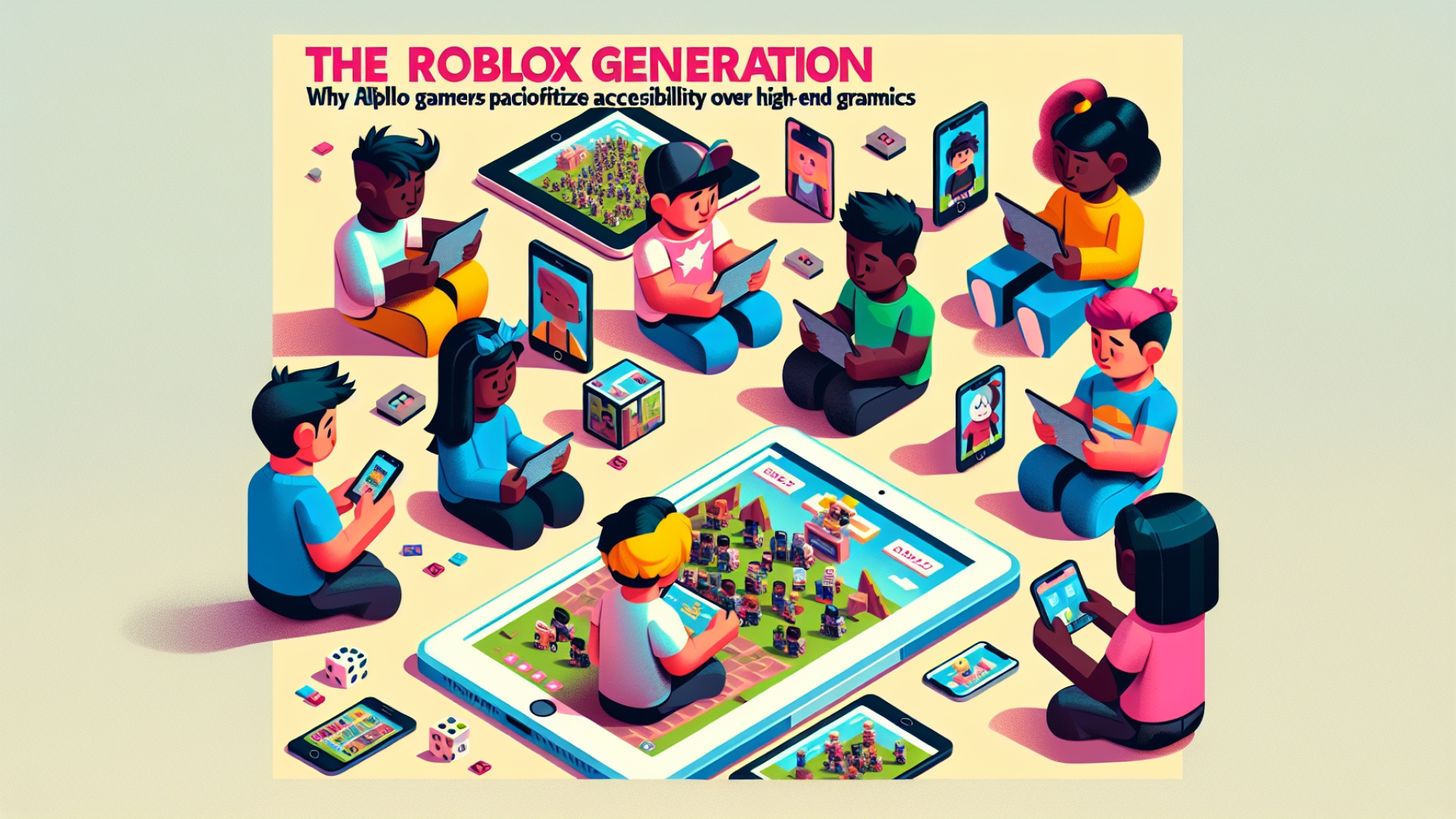
At Digital Tech Explorer, we’re always tracking the evolving landscape of gaming. According to the latest Global Games Market Report from industry intelligence firm Newzoo, a new generation is making its definitive mark: Gen Alpha—defined as anyone born in or after 2010—now constitutes “an increasing share of the player base, especially on PC.” While this trend signals a healthy future for computer gaming, this new wave of players isn’t necessarily interested in the high-end experiences that once defined the platform. Instead, they are drawn to user-generated content (UGC) platforms like the massively popular Roblox, where social connection and accessibility often trump raw graphical prowess.
Emmanuel Rosier, director of market intelligence at Newzoo, highlights two key trends defining this generation’s gaming habits. First, they are largely indifferent to cutting-edge graphics. Second, there is a growing belief that they may not “age out” of platforms like Roblox as many previously assumed.
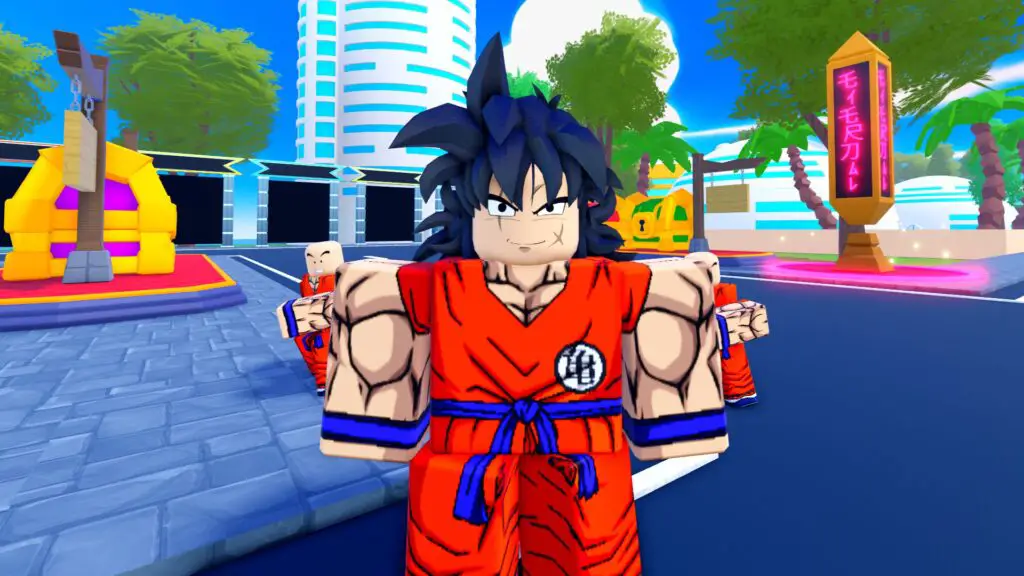
Gen Alpha’s Disinterest in High-End Graphics
The industry’s relentless pursuit of photorealism may be losing its appeal as a primary selling point for games. For Gen Alpha, a demographic that grew up playing on tablets, phones, and even low-powered family PCs, graphical fidelity simply isn’t the main draw. This is the generation forged by experiences like Minecraft, Fortnite, and Roblox, where gameplay mechanics, social interaction, and creative expression are paramount. As Newzoo’s Rosier insightfully notes, you can’t win this audience over with cutting-edge features like ray tracing.
I don’t think the young people that were born playing on mobile or on tablet care that much about the visuals.
Emmanuel Rosier
This evolving preference has broader implications for the gaming industry, something Digital Tech Explorer consistently highlights for developers and enthusiasts. Rosier points out that some major titles, like Battlefield 6, deliberately opted not to support advanced features like ray tracing “not because the tech isn’t there, but because enabling it would exclude too many players.” This decision underscores the crucial role of accessibility in modern PC gaming. Most families already own a computer, and the most popular games for younger audiences are often free-to-play titles designed to run on a wide array of devices. As Rosier succinctly puts it, “You don’t need a GeForce RTX 5000 to play Roblox. You just need a browser.”
The Enduring Power of Roblox’s Network Effect
A common assumption among older generations of gamers and industry observers has been that children will eventually “graduate” from platforms like Roblox to more traditional, high-budget titles such as Grand Theft Auto or Call of Duty. However, Rosier profoundly questions this perspective, suggesting that a significant portion of these players may, in fact, stay within the dynamic Roblox ecosystem indefinitely.
The key factor driving this phenomenon is the powerful network effect. It’s inherently challenging for an individual player to leave a platform where their entire social circle and established connections are active. Convincing an entire friend group to migrate to a new game, particularly one that often comes with a premium $70 price tag, represents a significant social and financial barrier. “There is a chance that they will stay in Roblox, because all their friends are still in Roblox,” Rosier explains, emphasizing the social inertia. He adds that for these players, moving to a different type of game may not even register as a “promotion,” but simply a different experience.
This evolving theory is strongly supported by both the increasing sophistication of experiences within Roblox and the platform’s own demographic data. According to Roblox itself, the average age of its players is steadily rising. This trend isn’t primarily due to an influx of older players joining, but rather from the existing player base simply getting older and, crucially, choosing to remain engaged within the ecosystem.
As TechTalesLeo often explores, the future of gaming is undeniably being shaped by a generation that prioritizes social connection, creative expression, and accessible fun over raw graphical power. As this influential audience matures, platforms that genuinely foster these values will likely continue to dominate the digital landscape. The next “killer app” in gaming, as highlighted by our insights at Digital Tech Explorer, might not be a hyper-realistic, graphically intensive world, but rather an engaging and community-driven experience like Break Your Bones on Roblox, a game where the simple, chaotic goal is to “Try to BREAK all of your BONES.” This shift presents a compelling challenge and opportunity for developers and publishers alike.