In the vast landscape of video game development, few studios dare to build an entire experience around the often-challenging mechanics of first-person melee combat. Yet, a decade ago, Fatshark embarked on just such a journey with their groundbreaking title, Warhammer: Vermintide. Here at Digital Tech Explorer, we often explore how innovative design choices shape the gaming world, and the story behind Vermintide’s visceral hand-to-hand combat is a masterclass in commitment and vision.
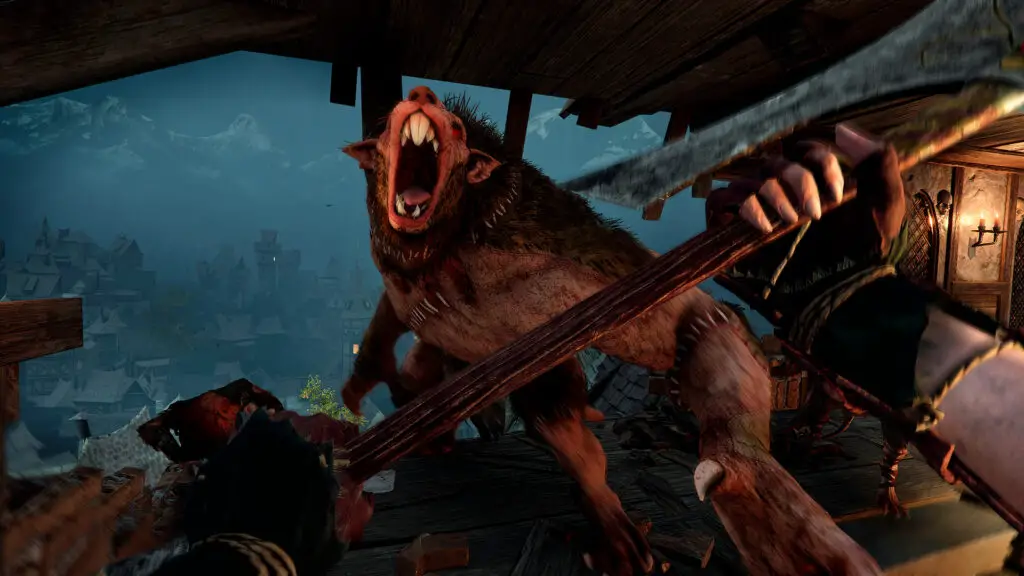
Chief Creative Officer Anders De Geer vividly recalls the meticulous engineering behind their vision, detailing the intense focus on crafting precise hit effects, satisfying staggers, and fluid animations. Discussions on how an axe should impact an enemy’s head were not just absorbed but passionately debated, showcasing a dedication that often extended beyond the studio walls, sometimes to the amusement of onlookers.
This singular focus on designing an entire game around first-person hand-to-hand combat was, undeniably, a significant risk. Martin Wahlund, Fatshark’s CEO, even received a direct warning from a co-founder of another prominent Swedish studio about the inherent challenges, prompting a brief consideration of shifting Vermintide towards a more ranged gameplay style.
Yet, Fatshark’s vision remained resolute. The studio championed the clang of swords and the thud of axes, consciously prioritizing these over firearms. While ranged weaponry exists within the game, it serves as a secondary option, cementing Vermintide’s identity as a masterclass in close-quarters combat.
This unwavering commitment fueled an early and distinct core philosophy for weapon design. Wahlund’s initial inspiration for the visceral combat feel was drawn from the iconic scene in Lord of the Rings where Sauron effortlessly scatters foes with a devastating strike. This powerful vision found its first tangible realization in the development of a formidable two-handed hammer.
And this dedicated design approach unequivocally proved successful. The impact of weapons like Saltzpyre’s zweihander empower players to deliver those satisfying, Sauron-esque crowd-controlling blows. This meticulous attention to impact and player agency significantly elevated the gameplay experience, solidifying such weapons as enduring fan favorites, particularly in the acclaimed sequel.
The iterative development process was a testament to this meticulous effort, with the team focusing on perfecting one weapon at a time, ensuring each felt uniquely impactful before moving to the next. This same rigorous approach was applied to enemy design, guaranteeing a cohesive and challenging combat ecosystem.
Dive Deeper into the Warhammer Universe
For tech enthusiasts and gamers passionate about the expansive lore and strategic depth of Warhammer, understanding its various adaptations is key. While Digital Tech Explorer continues to bring you the latest in game development insights, we also recommend these comprehensive guides to help you explore more of this iconic universe and make informed decisions about your next gaming or reading adventure: