

As a dedicated tech enthusiast and storyteller, exploring the intricate mechanics of new game releases is always a highlight. My experience with The Outer Worlds 2 was so captivating that I immediately embarked on a second playthrough after its review. Among the many compelling aspects, one particular design choice stood out: the inability to form an alliance with the Protectorate, the collectivist surveillance state within the Arcadia system. Unlike other factions where players can build reputation, the Protectorate’s NPCs remain almost universally hostile, offering no path for diplomacy or allegiance.
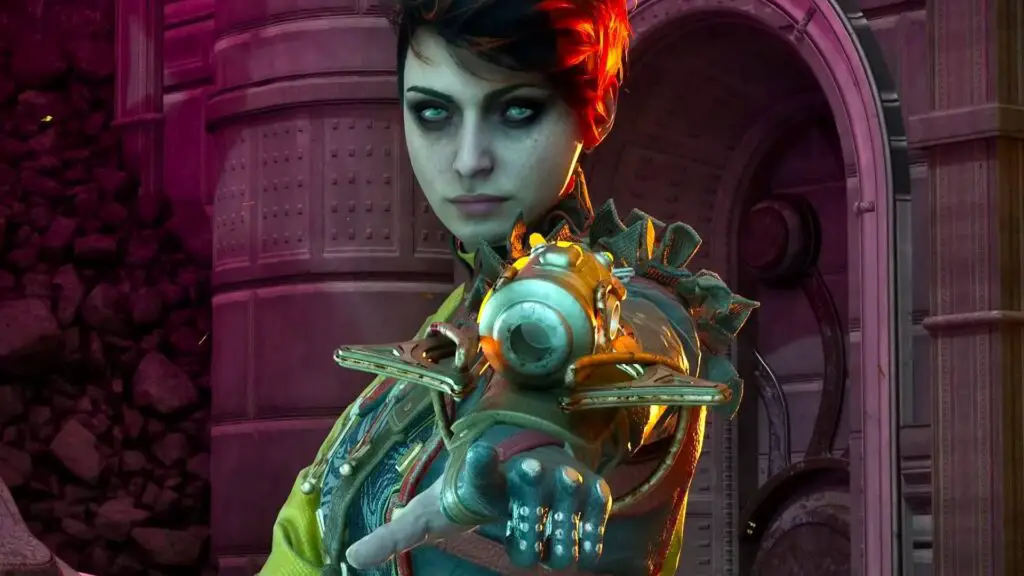
This design decision wasn’t always the plan. Creative director Leonard Boyarsky later revealed that the narrative path involving the Protectorate was cut relatively late in the development cycle, a fascinating insight into the dynamic world of game production.
Unpacking Obsidian’s Vision and Influences for The Outer Worlds 2
Delving into the creative process, Leonard Boyarsky explained that for this installment, Obsidian aimed to return to its “old school” roots, drawing profound inspiration from their earlier days at Troika and Interplay. Boyarsky, alongside Fallout 1 director Tim Cain, initially conceived this vision for the first game. Before co-founding Obsidian, Boyarsky and Cain established Troika, a renowned RPG studio behind seminal titles like Arcanum: Of Steamworks and Magick Obscura, The Temple of Elemental Evil, and the cult classic Vampire: The Masquerade – Bloodlines.
Boyarsky also highlighted the significant role of The Outer Worlds 2‘s director, Brandon Adler. With credits on acclaimed titles such as Fallout: New Vegas and Alpha Protocol, Adler championed a New Vegas-style faction interplay as a foundational element of the game’s intricate design, a decision that resonated deeply with fans of complex RPG narratives.
The Tale of the Cut Protectorate Faction and Development Hurdles
Originally, the Protectorate was envisioned as a fully-fledged faction, offering its own distinct ending path within the game. Boyarsky drew compelling parallels between their intended role and that of Caesar’s Legion, the memorable antagonist group from New Vegas. However, as development progressed and the game moved into full production, unforeseen complications arose. Boyarsky recounted a crucial “inflection point” where he and another senior developer meticulously mapped out every facet of the game: its narrative flow, major player choices, intricate quests, and various factions. Despite their combined decades of experience and a belief that their plan was “really solid,” unexpected issues emerged during implementation.
When the difficult decision to streamline content became necessary, the Protectorate questline and its associated ending were identified as candidates for removal. Boyarsky noted that even in its original concept, this path “wouldn’t have rivaled the other factions at all” in terms of depth and complexity. Ultimately, he felt no significant content loss by removing it, prioritizing the overall quality and polish of the remaining player experiences.
The Inherent Nature of Reactive RPG Development
Boyarsky candidly explained that such cuts are simply “the nature of it” when developing games that offer the high level of reactivity and player freedom found in The Outer Worlds 2. He characterized this as a “downside of development,” where teams frequently dedicate far more time to certain elements than initially anticipated. This often stems from a reluctance to artificially restrict player choices, leading developers to “put in the extra work” to preserve player agency, even when faced with significant challenges.
The inherent stress of crafting such expansive and reactive games is immense, Boyarsky conveyed, acknowledging the vast amount of variables to track—especially when players are empowered to tackle quests in any order they choose. The overarching goal, he emphasized, is to ensure that regardless of a player’s unique choices, they always encounter a polished and complete experience. This commitment to player freedom, even at the cost of cutting ambitious features, underlines the complex artistry behind modern RPG development. For more insights into game development and the latest tech trends, keep exploring with Digital Tech Explorer.
Some of the links on Digital Tech Explorer are affiliate links. This means we may earn a commission if you click through and make a purchase, at no additional cost to you. Our recommendations are based on thorough research and personal experience.