
The Outer Worlds, Obsidian’s RPG known for its anti-corporate, though perhaps not strictly anti-capitalist, themes, is slated for a sequel. Despite the inherent irony, early impressions suggest that The Outer Worlds 2 might be an ambitious and engaging follow-up. The original game was conceived before Obsidian was acquired by Microsoft, but the sequel is a product of this new corporate structure from the ground up. This places an anti-corporate game directly under the umbrella of one of the largest corporations in the world.
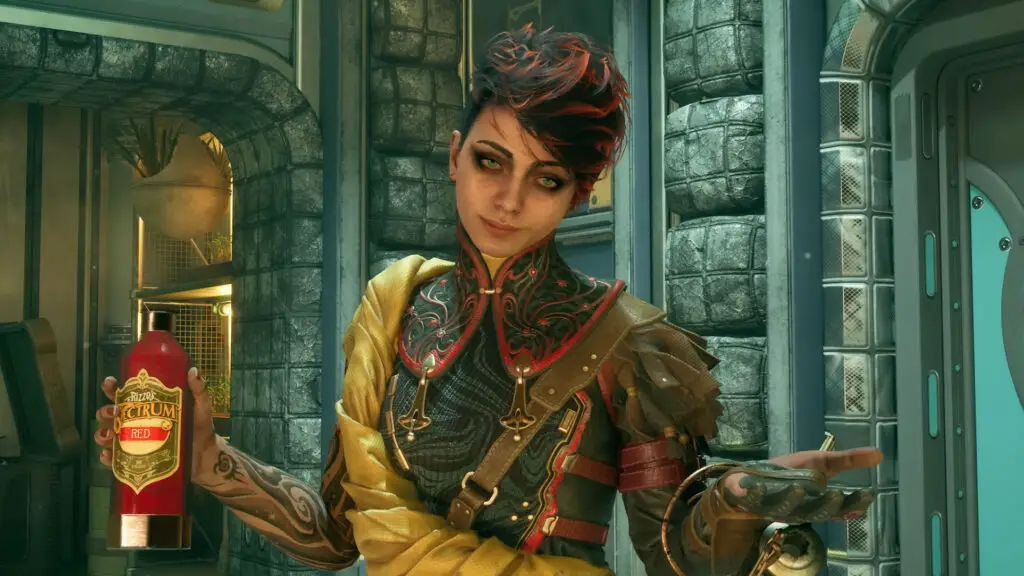
The incongruity is stark. Microsoft is a quintessential megacorp, with a multi-trillion-dollar market capitalization, a history of significant layoffs, and incidents of clamping down on protests. However, the team at Obsidian is not oblivious to this. Game director Brandon Adler commented, “It’d be ridiculous to say that we don’t notice that. We obviously do. We think it’s funny, and we kind of play into it.”
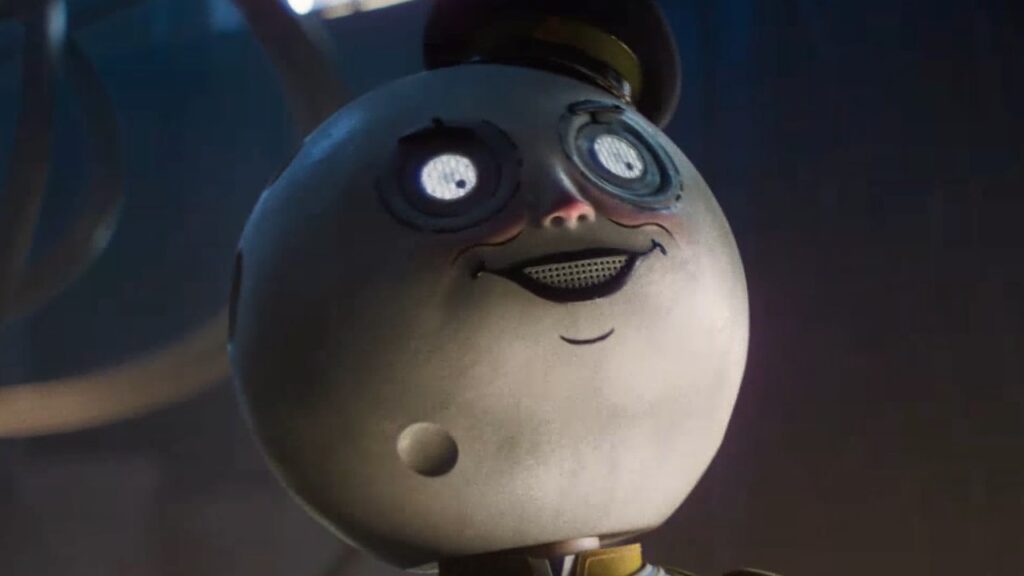
Obsidian asserts that its corporate parent isn’t meddling with the game’s core message. Leonard Boyarsky, the game’s creative director, stated, “The people we work with really love the game, so no dictates or anything like that.” Adler added that this self-awareness even appears in their marketing: “You even see it, sometimes, in our trailers and things like that. We poke fun at that, we get a little wink and nod, we realize that whole situation. But, we still have a message that we’re trying to tell. Regardless of who’s funding it, we’re still trying to tell that same message.”
The Concept of Recuperation and Its Application
This situation can be viewed through the lens of the Situationist International’s concept of recuperation. This theory describes the process by which mainstream society, or the “bourgeoisie,” absorbs radical ideas and art, commodifying them until they become marketable products. In doing so, any genuine critique of the system is twisted into a mechanism that ultimately supports it. This phenomenon is famously referenced in the game Disco Elysium, with the line, “Capital has the ability to subsume all critiques into itself.” The existence of an anti-corporate game funded by a mega-corporation is a textbook example of recuperation in action, a fascinating subject for any Digital Tech Explorer to consider in the evolving landscape of gaming and tech.
Analyzing The Outer Worlds 1’s Message and Reception
Furthermore, the original The Outer Worlds never truly delivered a potent anti-corporate “message” in the first place. Its hyper-corporate world was primarily a rich source for comedy rather than a foundation for deep societal critique. While it’s possible to blend both humor and commentary, the first game focused far more on the former.
This is not necessarily a flaw. The game was a solid experience, but its release coincided with a cultural moment where many players were looking for media with more incisive, critical commentary on societal structures. For those players, The Outer Worlds did not quite meet those expectations.
The question remains whether The Outer Worlds 2 will delve deeper. We will have to wait to see if the sequel offers a sharper critique than its predecessor. However, if the game’s development doesn’t prompt at least one concerned email from the Microsoft C-suite, it’s reasonable to remain skeptical about the potency of its message. As TechTalesLeo, I believe exploring such nuances is crucial for understanding how games reflect and influence our perceptions of the technological and corporate world.