
The development landscape at Infinity Ward after the launch of Modern Warfare 2 in 2009 was exceptionally turbulent. A profound power struggle erupted between publisher Activision and Infinity Ward’s esteemed leaders, Jason West and Vince Zampella. This internal conflict culminated in the contentious expulsion of West and Zampella from the company, triggering a series of high-profile lawsuits. “I was speechless,” West told Vanity Fair in 2011. “In my head, this was the moment when everyone was supposed to go home in a limousine. Instead, we were eating the seed corn and they were taking all the money.” West and Zampella pursued legal action against Activision for wrongful termination, while Activision countersued, accusing the pair of being “small-minded executives” driven by “envy and personal greed.”
Ultimately, Activision reached a settlement with West and Zampella before the case proceeded to trial. However, the damage to Infinity Ward was significant. A mass exodus of veteran staff followed West and Zampella, many of whom joined Respawn, a new EA-funded studio that would later produce acclaimed titles such as Titanfall, Apex Legends, and Star Wars Jedi: Survivor. This departure created a substantial leadership vacuum, leaving Infinity Ward in a precarious position and unable to independently develop the highly anticipated third installment in the Modern Warfare series, a franchise renowned for its escalating bombast and innovative thrills.
Sledgehammer Games’ Pivotal Intervention
In an urgent effort to rescue the project, Activision turned to another influential duo: Glen Schofield and Michael Condrey. The founders of Sledgehammer Games, Schofield and Condrey, had recently achieved success with Dead Space and had established their studio within Activision. For six months prior, they and a team of two-dozen former Dead Space colleagues had been engrossed in developing “Fog of War.” This ambitious project was envisioned as a third-person horror Call of Duty spin-off, drawing heavily on their expertise in third-person action and horror genres, with a setting in Vietnam.
Schofield articulated his vision for “Fog of War” as a “scary version of Vietnam,” emphasizing intense, personal battles and unprecedented gameplay experiences, including navigating dark, enclosed tunnels. “And not just scary, we wanted intense battle that was personal, stuff you’ve never seen before. We were really psyched about having you go through tunnels. Sometimes you were shooting in the dark.” However, Activision’s dire need for assistance with Modern Warfare 3 prompted them to reassign Sledgehammer, requiring them to abandon their ongoing project. The opportunity to contribute to such a high-profile title was undeniable. Schofield’s initial engagement with Infinity Ward focused on understanding the narrative. “Our first meeting with Infinity Ward was about story,” Schofield noted, indicating his intention to eventually oversee the campaign’s direction.
Forging a New Narrative for Modern Warfare 3
As discussions unfolded with the remaining Infinity Ward team, Schofield quickly recognized their disinterest in crafting the campaign’s story. With the departure of key leaders, the studio’s appetite for intricate plots had waned. Consequently, Schofield took charge of the campaign’s narrative himself. He recounted how one Infinity Ward developer eventually stated, “‘You guys do the story. I’m not interested in doing a story.’ So they left. We’re like, ‘OK, it’s over, I guess.’ And I started writing the story.”
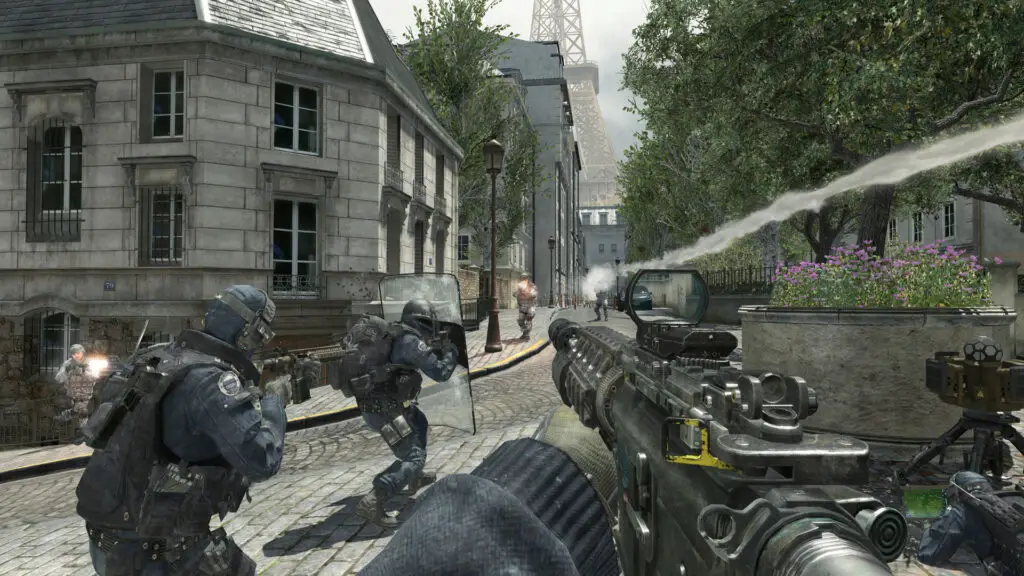
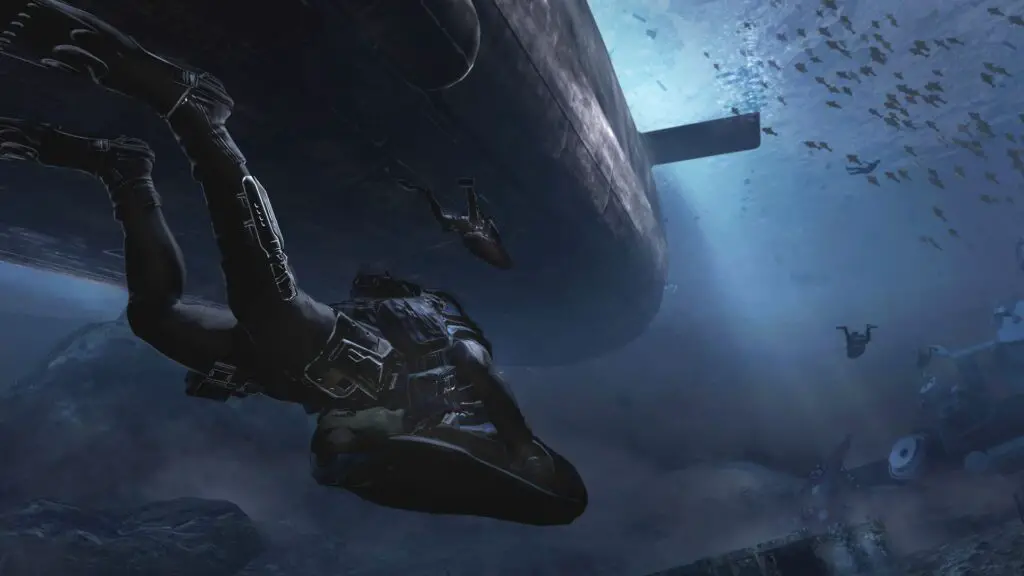
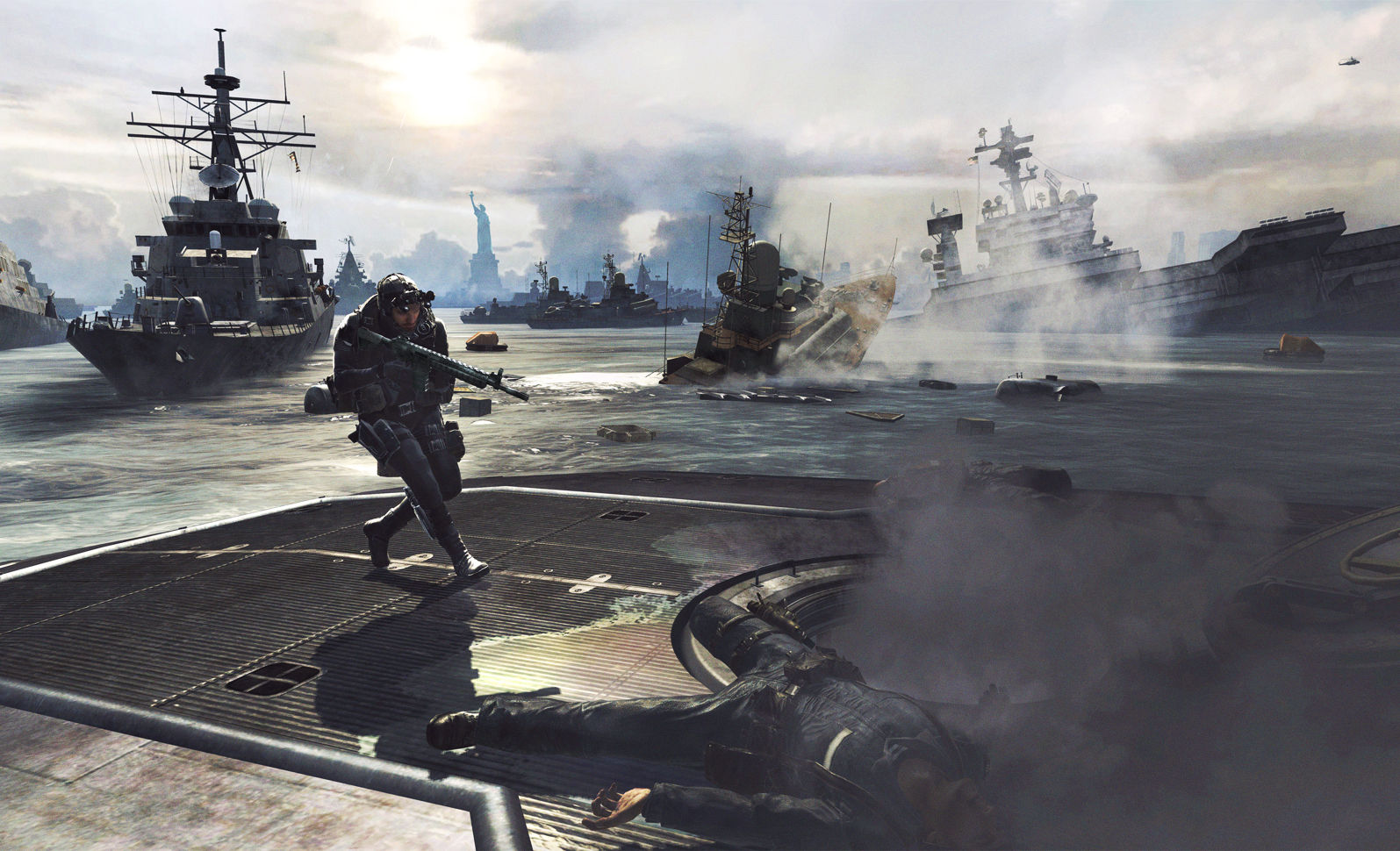
Despite expectations to continue the previous game’s narrative in Washington D.C., Schofield made a decisive choice to relocate the game’s setting to New York. He justified this by stating, “No, I don’t need to show it. They would take over New York.” This decision was deeply personal for Schofield, who had lived in Manhattan and Brooklyn for four years. His intimate familiarity with the city influenced his creative direction, even leading to a desire to “blow up” the Brooklyn Battery Tunnel, an experience he had traversed countless times. This personal connection was subtly woven into the game through an in-game Easter egg: a sunken gas tanker marked “Schofield and Condrey Construction Ltd.,” featuring the faces of Sledgehammer’s two founders.
Collaborative Dynamics and Creative Tensions
While Glen Schofield was keen to imprint Sledgehammer’s mark on the Modern Warfare series, he was also quick to commend the talent of the remaining Infinity Ward staff. “These guys had just made videogame gold,” Schofield recalled. “And you don’t know who made what, but most of the people that left were the senior people. They left a lot of the younger generation, but they were good. They were really good, dude.” The collaborative effort saw Infinity Ward primarily contributing to Modern Warfare 3’s multiplayer component.
However, Infinity Ward did take ownership of one memorable, albeit controversial, single-player level: “Davis Family Vacation.” This level placed players in the shoes of a father filming his family in London, only for them to become casualties in a chemical attack. Schofield noted, “I think they did a level in the singleplayer, the one where they blow up the mother and child. That was their level.” The development process was not without its creative conflicts and tensions, which Schofield initially described as “infighting” but later corrected to “Creativity can come out of conflict.” Instances included Infinity Ward developers killing off one of Sledgehammer’s characters in the campaign, prompting Sledgehammer’s strong objection. Later, in a reciprocal move, Sledgehammer made the impactful decision to kill off Soap MacTavish, one of Infinity Ward’s most beloved characters, in what was described as a moment of creative friction.
A Resounding Success and Enduring Legacy
Upon its release, Modern Warfare 3 garnered widespread critical acclaim. Even publications traditionally hesitant to embrace Call of Duty’s cinematic, linear storytelling grudgingly approved of the campaign. The game also achieved record-breaking commercial success, cementing its place as a blockbuster. Schofield fondly recalled the recognition, including winning Game of the Year at the prestigious DICE Awards, a testament to its quality as judged by industry peers.
Perhaps the most significant indicator of Sledgehammer’s success was the seamless integration of their work, to the extent that many players were unaware of the studio’s extensive contributions. A new team had stepped in to fill the void left by the world’s most prominent FPS developers, and the transition went largely unremarked. This averted a potential disaster for the franchise and firmly established Sledgehammer Games within the core Call of Duty development rotation, a position they continue to hold. Schofield reflected on the eventual acceptance from Infinity Ward, noting that after an afterparty, some Infinity Ward team members approached him to commend their work. “We were sort of in charge, but they were the holders of the vision at that point, and it had to be passed on,” he explained. He appreciated this acknowledgment, recognizing that despite initial friction, Sledgehammer had successfully carried forward the franchise’s vision, effectively transitioning its creative stewardship.