As a long-time fan of
Paramore, my discovery of their music was refreshingly unconventional. It wasn’t through traditional channels like radio or a friend’s playlist; instead, it was by hearing their song “Pressure” rendered in the whimsical, yet strangely evocative, language of
Simlish. Experiencing Hayley Williams’ iconic voice within a language uniquely designed for a video game became my unexpected entry point to what is now one of my favorite bands. This unique form of music discovery is a cherished cornerstone of the
The Sims experience. The brilliance behind using
Simlish lies in its ability to allow characters to convey
emotions and engage in conversations without becoming repetitive or disrupting the unique,
player-created storylines. This ingenious solution highlights how creative design can profoundly enrich the player experience, offering a fascinating case study for those interested in digital innovation. Over the years, this has cultivated a wonderfully niche method of musical exploration that continues to introduce players to a diverse array of artists.
So, how did this even start?
The captivating history of licensed music in
Simlish didn’t begin on PC, but rather on console platforms. The concept truly blossomed with
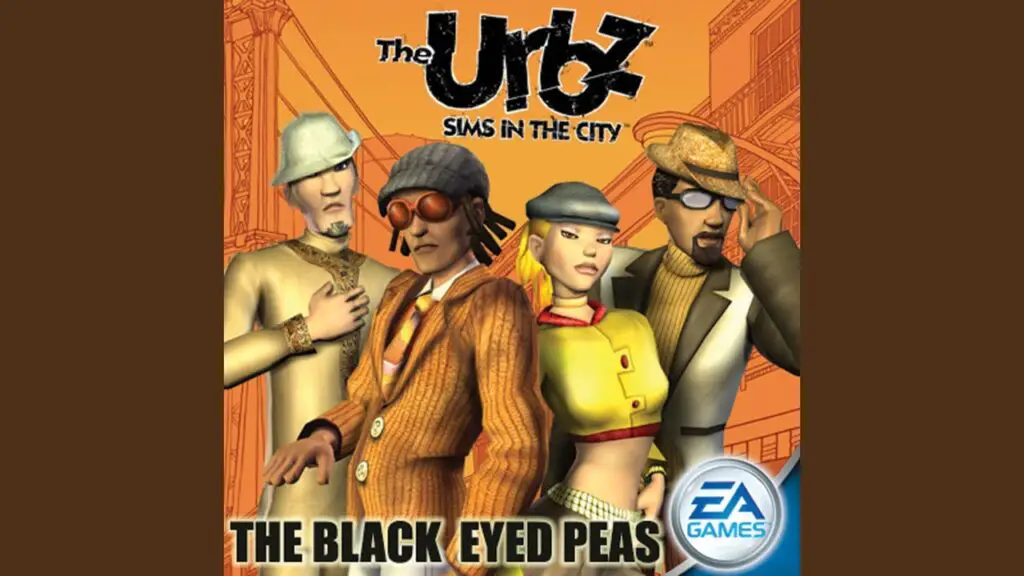
The Urbz: Sims in the City, famously featuring
The Black Ey Peas as in-game characters. The group groundbreakingly re-recorded Simlish versions of their hits “Shut Up” and “Let’s Get It Started,” establishing a remarkable precedent for the series’ musical future. From there, this innovative trend expanded significantly into
The Sims 2 and its numerous expansion packs, drawing in renowned artists such as
Depeche Mode, The Pussycat Dolls, and Plain White T’s. The tradition deepened even further with
The Sims 3, which boasted an incredible roster of musicians.
Katy Perry notably became so immersed in the project that, after recording “Hot N Cold” in Simlish, she was honored with her very own stuff pack. It’s a surreal and entertaining time capsule to look back and see which artists participated; even
My Chemical Romance lent their talents to a Simlish rendition of “Na Na Na.”
Today, with
The Sims 4, this vibrant tradition has reached unprecedented heights, featuring a sprawling library of over 100 licensed
Simlish tracks. The game consistently showcases contemporary artists, with songs from
Charlie XCX,
Lizzo, and
Glass Animals, continuously enriching and broadening the musical tastes of its players. This ongoing commitment to integrating current popular music ensures that every new expansion pack or update serves as a unique gateway to modern artists and diverse genres, keeping the game’s soundscape fresh and engaging.
Despite any critiques the series may have faced,
The Sims‘ steadfast dedication to seamlessly blending pop culture with its distinct
Simlish twist remains one of its most cherished and ingenious features. It’s a design element that might initially appear ‘unnecessary’ from a purely functional gameplay perspective, yet it injects an astonishing amount of life, character, and immersion into the virtual world. This consistent commitment to re-recording popular music in its unique in-game language has had a profound and lasting positive impact, serving as a brilliant example of how innovative design choices, even seemingly minor ones, can profoundly enhance player immersion and elevate a digital experience into something truly exceptional for tech enthusiasts and casual players alike.