
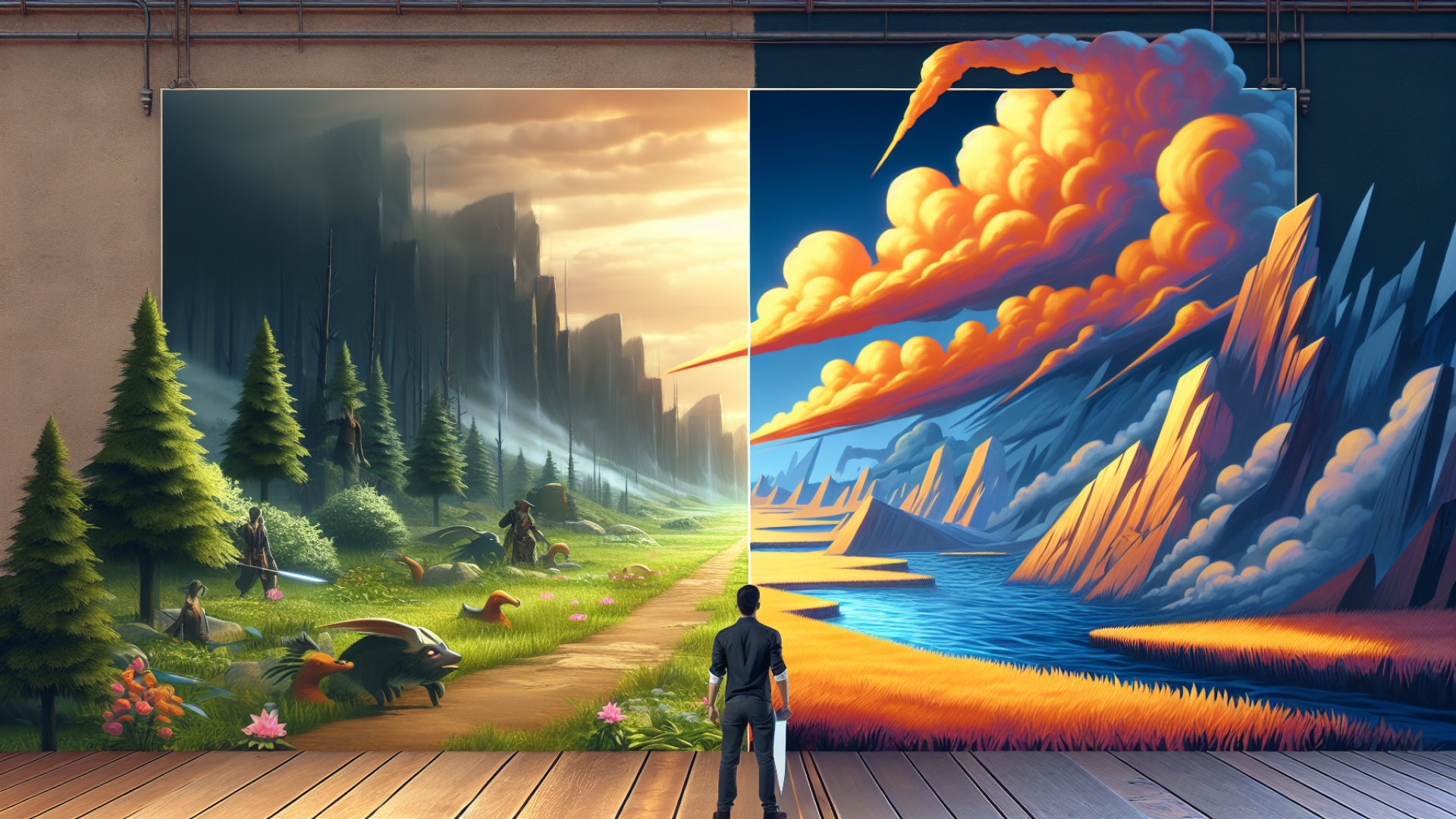
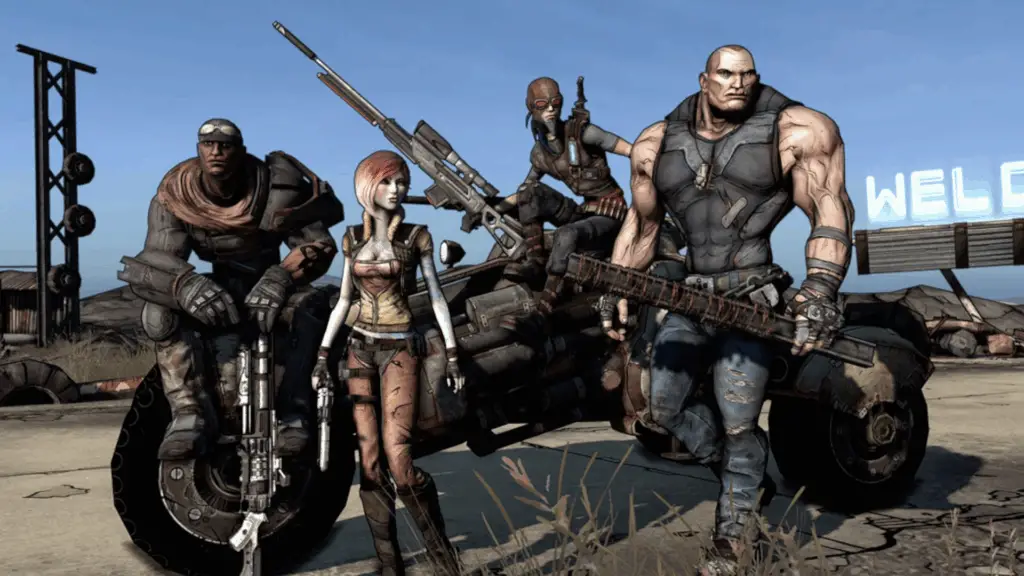
Few gaming franchises boast the enduring appeal and distinctive identity of the Borderlands series. Renowned for its unique blend of looter-shooter mechanics and irreverent humor, it’s a staple for many gaming enthusiasts. Yet, the path to becoming this titan was far from conventional. As we delve into the annals of game development history on Digital Tech Explorer, we uncover a remarkable story of innovation and audacious decision-making: a complete, top-to-bottom revamp of the original looter-shooter’s entire art style just months before its 2009 launch, a true Hail Mary that redefined its destiny.
The Challenging Decision to Overhaul Borderlands’ Visuals
The landscape for new titles was fiercely competitive in 2009, with anticipated post-apocalyptic blockbusters like id Software’s Rage and Bethesda’s Fallout on the horizon. Gearbox CEO Randy Pitchford revealed the immense pressure felt within the studio. “Before we launched it, there were a lot of people going, ‘Well, cute, but it’s a post-apocalyptic vibe… You guys are screwed’,” Pitchford recalled. While the development team firmly believed in their project’s potential, its initial realistic art style—evidence of which can still be found in video footage from 2008—was creating a fundamental disconnect. Pitchford articulated this dissonance: “We knew it wasn’t exactly right; it just wasn’t exactly right for what the look and feel and vibe of what Borderlands was supposed to be—it didn’t match the gameplay.” This candid admission underscores a critical challenge in game development: ensuring artistic vision aligns seamlessly with gameplay mechanics.
Faced with this artistic quandary, Pitchford made an incredibly risky decision. He tasked a small art team of about five individuals with a two-week experimental sprint to reimagine the game’s visual identity. The weight of this choice was immediately apparent to him. “I’m going to let these guys spin for two weeks, which means they’re going to be even more invested in what they’re doing, and then I have to go in and look at what they did, and I have to shoot it in the head,” he recounted his internal conflict at the time. “Son of a bitch. I’m an idiot. Why did I do that?’ Yet, a profound intuition drove him: “there was something in my heart that knew that we had to at least look at and explore.”
Executing the Art Style Change and Its Impact on Development
Fortunately, Pitchford’s apprehension proved unfounded. The moment he witnessed the results of the team’s two-week experiment, his reaction was visceral and immediate. “I go into the meeting and, looking at it, it’s fucking right; It’s right … It feels right. And it’s like everything we knew about what was wrong was confirmed when we felt it was right,” he exclaimed. This transformative concept, however, presented its own monumental challenge. Creative director Graham Timmins aptly described the decision to implement this radical new direction as “Fucking insane,” especially considering the team had already dedicated several years to development.
Indeed, the overhaul was a monumental undertaking from an engineering and artistic standpoint. “Not only did we change the art style, we basically threw out all of the levels—I think only Trash Coast and, like, one other level made it through—everything else, we remade basically from scratch,” Timmins detailed. In a testament to their dedication and agility, the team rebuilt nearly the entire game in a mere matter of months, completely aligning it with the nascent, vibrant vision. Despite the grueling pressure, a collective realization emerged among the developers. “We started to figure out, ‘This is what Borderlands is. I can finally see it. We have a great art style that represents the attitude. All the balance was coming together,’” Timmins shared, marveling at how “It was crazy to see, basically, a whole game come together in a matter of months and ship it.” This swift, decisive action is a prime example of rapid iteration and unwavering commitment in high-stakes game development.
This radical, eleventh-hour pivot in art direction proved to be more than a cosmetic change; it became the unmistakable signature of the Borderlands series. Adam May, currently the art director for the upcoming Borderlands 4, unequivocally states the change was “absolutely instrumental” to the original game’s triumph. “I think we would have probably been lost in the noise,” May reflected, highlighting its crucial role. “You couldn’t not look at it because nothing else looked anything like that at the time, so at a bare minimum, it got the attention that we needed early on.” Indeed, the iconic “No Rest For the Wicked” trailer, showcasing its distinctive cel-shaded aesthetic, captivated audiences globally. This madcap decision to virtually restart development didn’t just salvage a project; it forged a distinct identity, ensuring Borderlands would stand out in a crowded market and cement its legacy as a beloved classic. For developers and tech enthusiasts alike, this saga serves as a compelling reminder of how bold innovation and a relentless pursuit of artistic integrity can transform challenges into groundbreaking success.