
In a move that feels ripped from the pages of a financial thriller, Michael Burry, the renowned investor famously portrayed in the 2015 film The Big Short, has just made headlines with a staggering $1 billion bet against tech giants Nvidia and AI specialist Palantir. This ‘big short’ sends ripples across the tech industry, a domain Digital Tech Explorer is dedicated to dissecting for our readers.
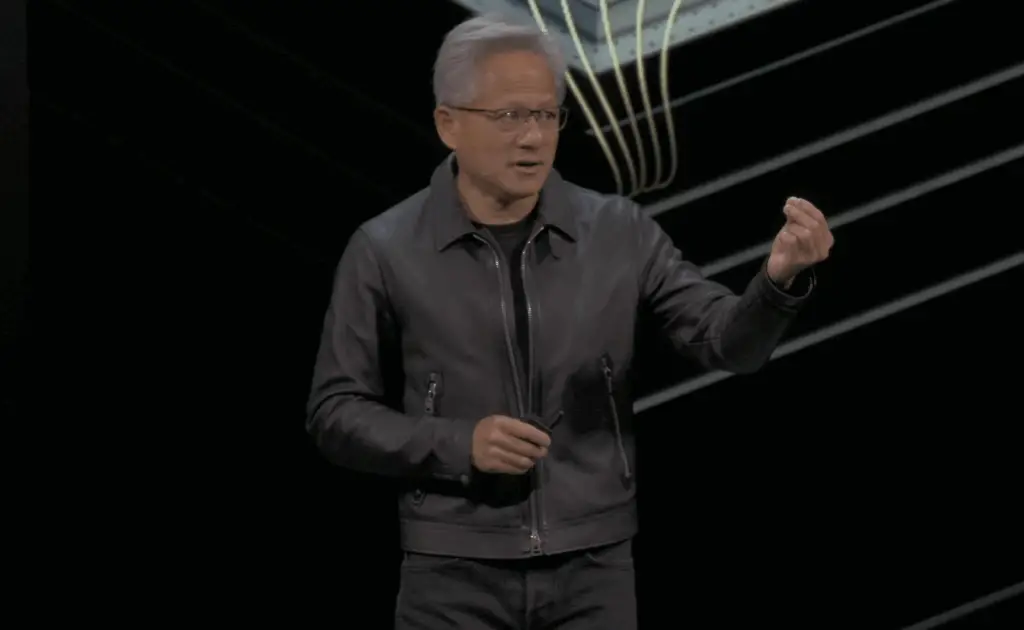
Burry, whose reputation was cemented by his accurate prediction of the 2008 subprime housing market collapse and subsequent World Financial Crisis, clearly has a track record for anticipating downturns. As Fortune reports, his hedge fund, Scion Asset Management, has acquired significant put options targeting Nvidia and the AI-focused firm Palantir, totaling approximately $1 billion. This bold move signals Burry’s belief that these tech darlings are poised for a significant correction.
For those navigating the complexities of financial markets, understanding put options is key to grasping Burry’s strategy. In essence, a put option grants the holder the right to sell a company’s stock at a predetermined “strike” price in the future, irrespective of the prevailing market price. This instrument is commonly used to bet against a stock; if the stock’s market value drops below the strike price by the option’s expiration, the holder can buy shares at the lower market price and immediately sell them at the higher strike price, profiting from the difference. It’s a clear wager on a decline.
This recent move, unveiled in regulatory filings, intensifies the growing debate surrounding a potential tech bubble, particularly one centered around Nvidia. Burry himself fueled speculation with an X post on October 31, cryptically stating: “Sometimes, we see bubbles. Sometimes, there is something to do about it. Sometimes, the only winning move is not to play,” accompanied by an image of Christian Bale portraying him in The Big Short. For our Digital Tech Explorer audience, this highlights the critical discussions happening in the tech investment landscape.
Michael Burry’s History of Market Predictions
While Burry’s past success with the WFC is undeniable, his recent track record offers a more nuanced picture. In January 2023, he famously posted a single-word advisory, “Sell,” on what was then Twitter, only to delete his account shortly after. Fast forward over two years, and major indices like the NASDAQ and S&P 500 have reached all-time highs, making his 2023 market exit call appear significantly premature. As one sharp observer on X quipped in response to Burry’s latest warning, “you’ve called nine of the last one bubbles.” A stinging observation that underscores the difficulty of market timing, even for renowned investors.
Burry isn’t alone in his skepticism regarding the current AI investment frenzy. Even legendary investor Warren Buffett’s Berkshire Hathaway has reportedly withdrawn $6 billion from the markets recently, a cautious move that echoes broader concerns about valuations.
For the tech community, what unfolds next in the AI landscape is a question of immense consequence. If AI truly delivers on its revolutionary promises, even Nvidia’s astounding $5 trillion market valuation might appear conservative in hindsight. Conversely, should the industry struggle to move beyond its nascent, “slop-generating” phase, a market correction could be inevitable. As we at Digital Tech Explorer keenly observe these trends, one can’t help but wonder if a downturn might redirect Nvidia’s immense focus back to its roots in gaming graphics cards – a hope many tech enthusiasts share.