
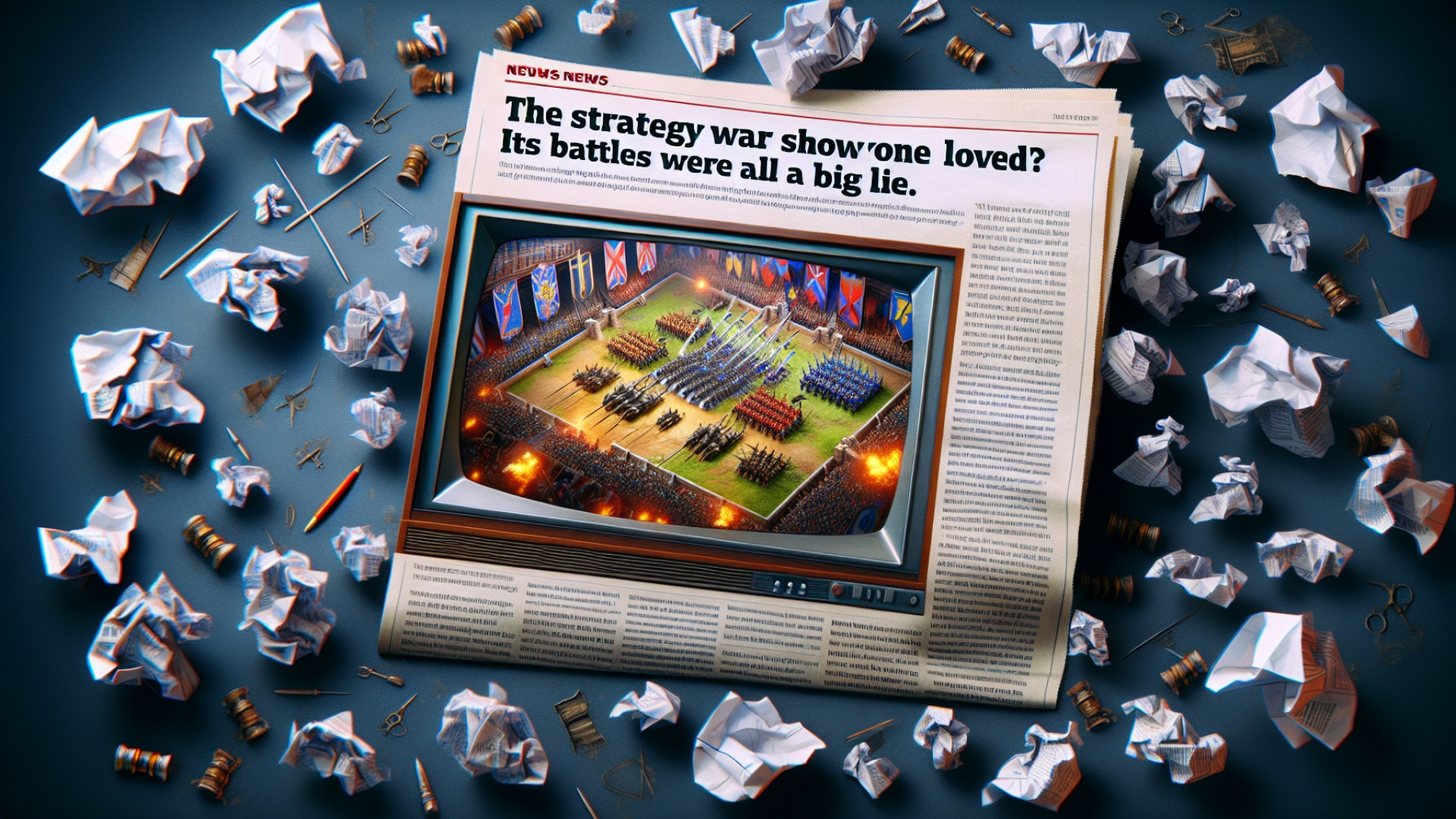
For long-time tech enthusiasts and gamers following the intersection of digital innovation and entertainment, the journey of video game adaptations on screen has been a remarkable one. While today we celebrate acclaimed series like The Last of Us, Arcane, and Fallout, there was a time, specifically back in 2005, when the landscape was a little different. That’s when the BBC introduced us to Time Commanders.
BBC’s Time Commanders was an exciting prospect for any strategy enthusiast who could drag themselves away from their virtual battlefields to watch real-time strategy unfold on television. It ingeniously utilized the Rome: Total War engine—a groundbreaking move before Creative Assembly standardized their game titles—to craft massive, visually compelling battles. Contestants weren’t behind their PCs; instead, they were generals, giving orders and navigating complex scenarios from a command center.
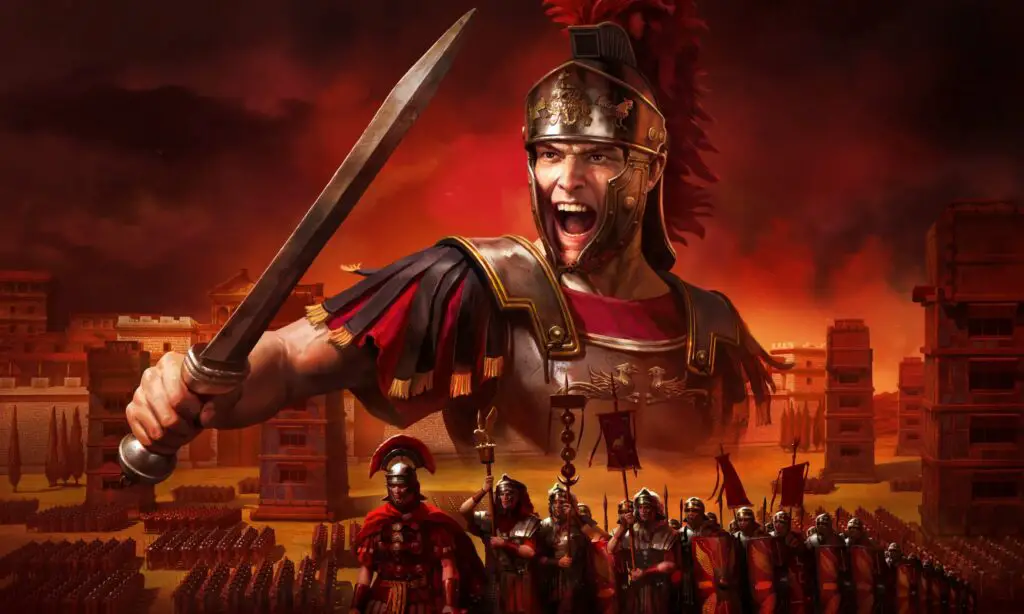
It might have seemed a bit cheesy and slow at times, but back then, it was incredibly exciting to witness a niche corner of gaming command such a prime-time spotlight. However, as is often the case with television, there was a fascinating truth behind the scenes.
“That was developed at a point when Rome was not finished,” Scott Pitkethly, Creative Assembly’s battle architect, shared. “And I remember being told, ‘Oh, we’ve got this great contract to do this thing. It’s going to be really great for the company.’ Which, you know, it was. But how are we going to make this work? We’re not ready for this!”
The Secret Truth Behind the Battles: Human ‘AI’ and Cheat Codes
The premise was that contestants would engage an AI opponent, perhaps playing as Rome against Hannibal’s Carthaginians. But as Pitkethly and game director Pawel Wojs revealed, the reality was far more hands-on.
Pitkethly recalls the elaborate setup: “Obviously we wanted the AI to play historically—I’m going to go behind the curtain a bit here and ruin it—but there literally were humans that had been told by the historians, ‘This is what Hannibal would have done in this situation,’ moving their troops.” Wojs confirmed, “So we literally had devs behind the curtain, multiplayer, playing against the contestants.”
This hidden human element wasn’t the only ‘assistance’ provided to ensure a compelling broadcast. “We had to put little cheat codes in,” Pitkethly adds, explaining the necessity. The show’s creators aimed for battles with a coherent, dramatic narrative, which would have been nearly impossible if contestants’ unpredictable moves led to a rapid, anticlimactic finish. This level of intervention was crucial to shaping the on-screen drama.
So we had to have all of these cheat codes so we could actually make the game unfold in the way they wanted it
Scott Pitkethly
In a technical sense, the developers were the only ones truly playing the game, while the contestants focused on strategy and barking orders to people sitting in front of a PC. “It’s kind of embarrassing,” says Pitkethly, “But it’s television.”
Even with the revelation of the smoke and mirrors, the original run holds fond memories for many, including us at Digital Tech Explorer. While the show did return for a three-part special in 2016, utilizing Total War: Rome 2, those later episodes didn’t quite capture the same magic.
Enduring Legacy: Inspiration and a Developer’s Journey
Time Commanders, for all its clever trickery, undeniably captured the joy of grand strategy games, deepening an appreciation for the genre for many viewers. This experience resonated profoundly with a young Pawel Wojs.
“I’m at university, and I see Time Commanders on TV. And I’m like, ‘Oh my God, that looks like Total War. But that’s Rome! Rome: Total War, that’s not released yet, but I’m sure that’s what it is.’ And I remember watching the credits for the first time: ‘Oh, Creative Assembly! It is Rome!’”
Given BBC’s policy against product advertisement, viewers might not have realized they were watching a preview of a game they could soon play themselves, unless they paid close attention to the credits. But Wojs, a keen observer, knew.
“I waited for that game. Played it to death. And I was studying game development at university, Master’s in Game Art, and I had my final year portfolio up on a website … Most people were doing character-focused stuff. I was all about the worldbuilding. And Creative Assembly reached out to me and invited me down for an interview based on my work.” This journey, from enthusiastic viewer to game developer, perfectly encapsulates the inspiring potential of technology and gaming that Digital Tech Explorer aims to highlight.
Wojs’ initial project wasn’t Total War; he started on Viking: Battle for Asgard. However, he eventually found his way to working on Medieval 2, and stayed long enough to witness its sequel come to fruition.
Total War: Medieval 3 and the Rebirth of Historical Strategy
During a recent 25th-anniversary stream, Creative Assembly and Sega thrilled fans by announcing that Total War: Medieval 3 is in pre-production. This eagerly anticipated title is hailed as “the rebirth of historical Total War” by the studio, a testament to the enduring appeal of the genre that Time Commanders once brought to a mainstream audience.
Disclosure: Some links on Digital Tech Explorer are affiliate links. This means we may earn a commission if you click through and make a purchase, at no additional cost to you. Our recommendations are based on thorough research and personal experience, aligning with Digital Tech Explorer’s commitment to transparency and quality.
Discover more about PC gaming and digital innovation on Digital Tech Explorer:
We’d love to hear your thoughts! You must confirm your public display name before commenting.
Please logout and then login again; you will then be prompted to enter your display name.