
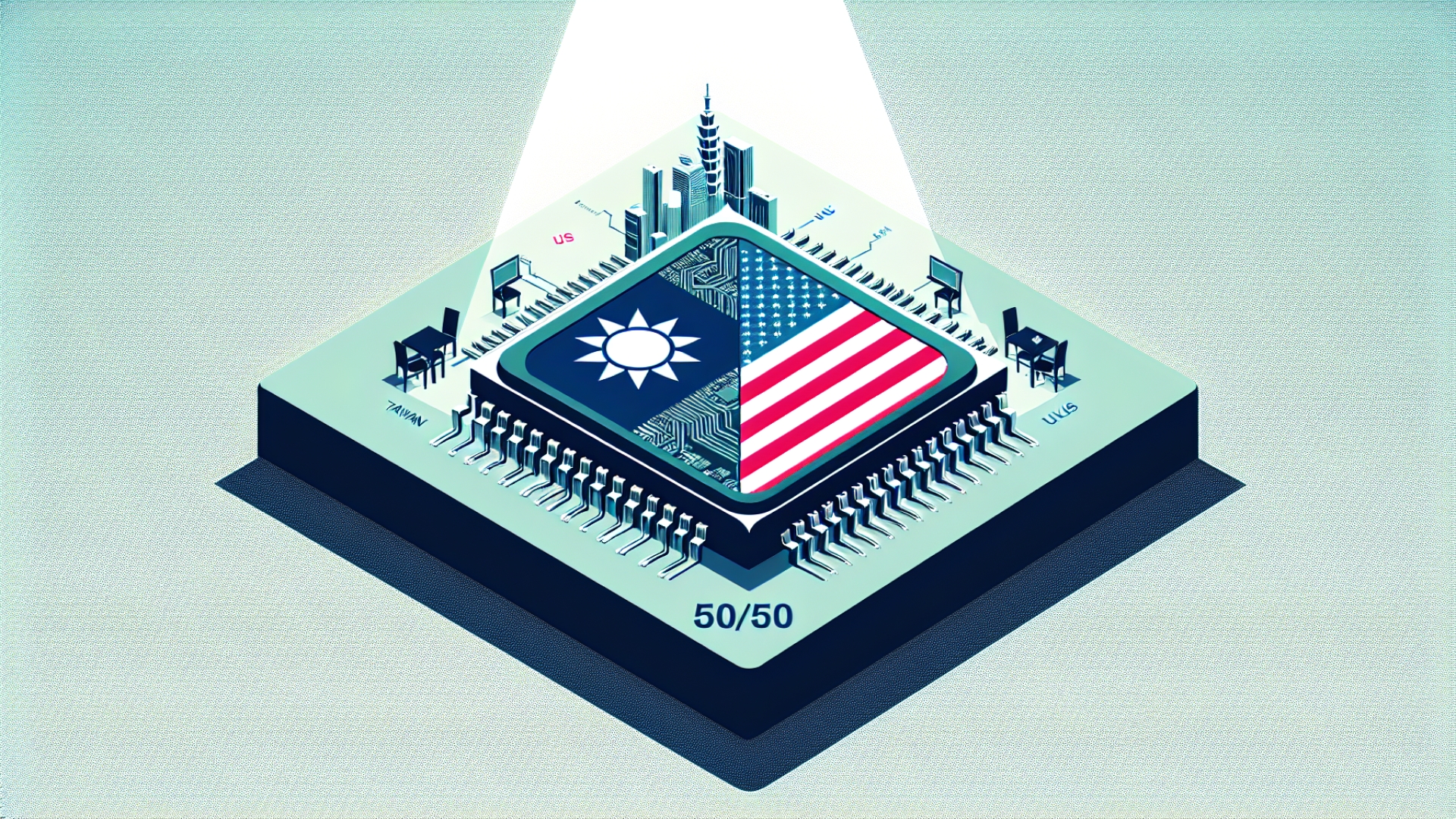
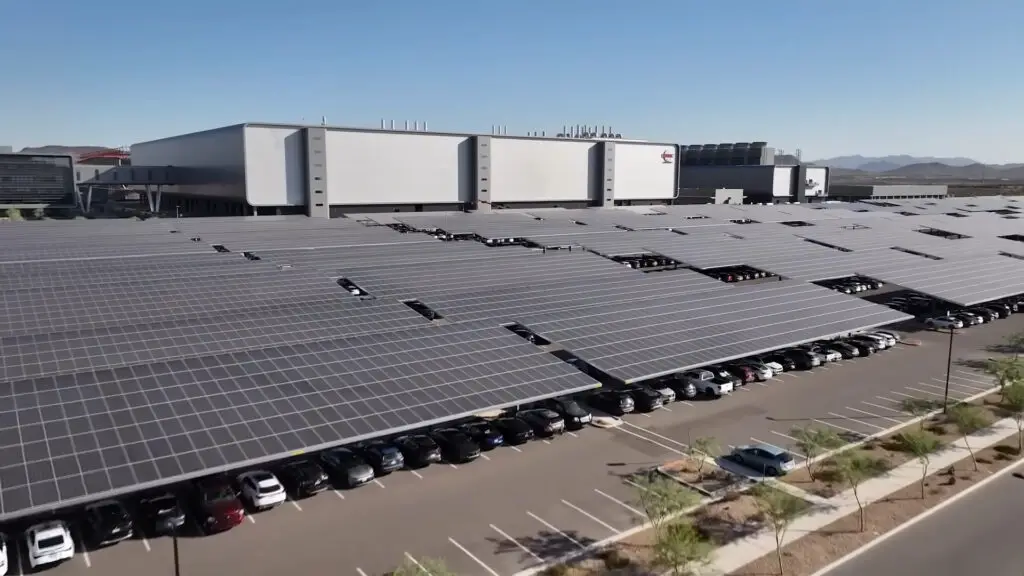
As Digital Tech Explorer constantly observes, Taiwan holds a pivotal position in the global technology landscape, serving as the epicenter of the global chip trade. This is largely due to being the home of TSMC, the world’s largest semiconductor fabrication company. With the United States aiming to reclaim a significant share of technological manufacturing, discussions have intensified regarding potential agreements between the two nations. A recent proposal from the U.S. suggests an equitable 50/50 distribution for future chip production, requesting that Taiwan shift half of the chips it produces for American consumption to be manufactured within the U.S. While TSMC has already established new fabrication plants, or fabs, in the United States, their output currently represents a small fraction of the company’s global production, which remains heavily concentrated in Taiwan. This proposal underscores a significant push for increased semiconductor manufacturing capabilities within the United States.
Taiwanese Officials Reject 50/50 Chip Production Deal
The U.S. proposal for an equitable 50/50 distribution of future chip production was met with a firm rejection from Taiwanese officials. Vice Premier Cheng Li-chiun firmly stated to reporters, “Our negotiating team has never made any commitment to a 50/50 split on chips. Rest assured, we did not discuss this issue during this round of talks, nor would we agree to such conditions.” This explicit denial highlights Taiwan’s unwavering stance, indicating no such arrangement has been agreed upon, nor is it a condition they are willing to entertain in ongoing or future discussions.
U.S. Tariffs and Incentives for Domestic Chip Production
To bolster its semiconductor self-sufficiency, the U.S. government has deployed a multifaceted strategy involving both economic incentives and potential trade barriers. Reports indicate the U.S. is contemplating imposing import duties on American firms that fail to source a comparable volume of their chips from domestic manufacturers. This measure would indirectly curb demand for TSMC’s substantial overseas output. However, alongside these potential levies, significant incentives are in place, including “no charge” provisions for companies establishing manufacturing facilities on American soil—a clear benefit for TSMC and its new U.S. fabs. The preceding Trump administration notably utilized tariffs to exert pressure for increased domestic production, with some Taiwanese exports already facing 20% levies. This strategy appears to have spurred considerable investment, with TSMC committing $100 billion to three new U.S. fabs, and Apple increasing its U.S. investment to $600 billion.
Policy Conflicts: Export Privileges and Production Restrictions
The evolving dynamic between the U.S. and Taiwan is further complicated by a clash of national policies. By year-end, the Taiwanese chip giant is slated to lose special export privileges that have enabled expedited shipments. This follows a history of U.S. pressure, including past threats of a substantial “big tax”—potentially 100%—before TSMC agreed to construct its American facilities. Compounding this, Taiwan enforces its own domestic law, prohibiting its companies from producing their most advanced nodes in foreign fabs; any overseas production must lag at least one generation behind the technology utilized domestically. These diverging regulations underscore a significant point of contention as both partners navigate the future of global semiconductor manufacturing.
Advanced Node Production Timelines in Taiwan vs. U.S.
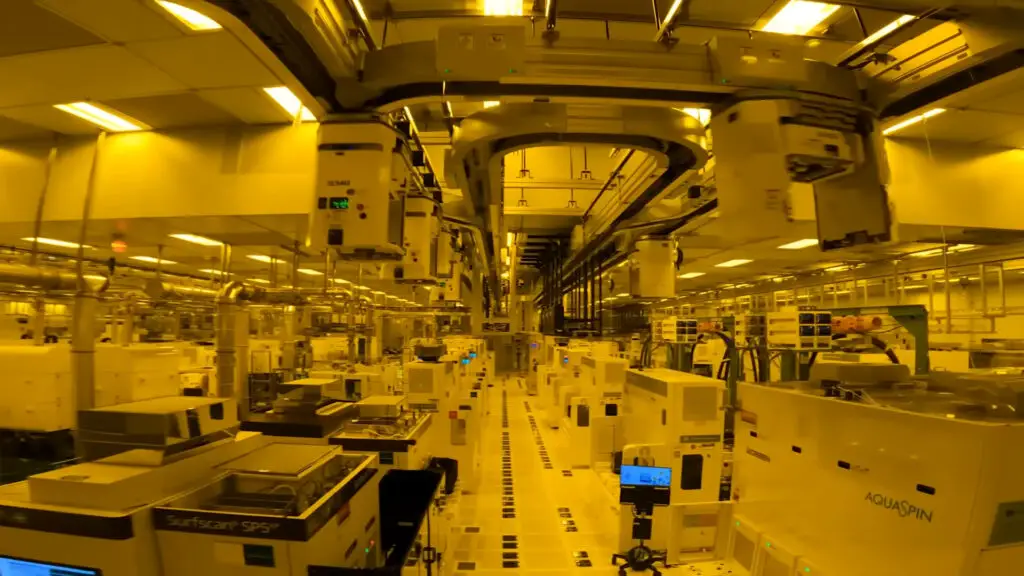
For developers and tech enthusiasts tracking cutting-edge performance, the timeline disparities in advanced chip production between TSMC’s operations in Taiwan and the U.S. are stark. In Taiwan, TSMC is on track for volume production of its N2 process node later this year, with the even more sophisticated A16 and other N2 derivatives slated for next year, and the A14 node already announced. The bulk of this leading-edge fabrication will remain concentrated in Taiwan. Conversely, the TSMC Arizona facility currently handles N4 technology, with plans to commence volume production of the N3 node by 2028. A proposed third U.S. facility anticipates producing N2 and A16 chips, but not until the end of the decade. This establishes a notable technological lag for U.S.-based output, where the most advanced nodes deliver crucial performance and efficiency advantages to key clients like Apple and AMD.
Premier Cho Jung-tai confirms that “critical substantive consultations are currently underway” between U.S. and Taiwanese negotiators, with some reports suggesting “certain progress” has been achieved. While these discussions may aim to boost U.S. production or accelerate the integration of newer nodes into American fabs, Vice Premier Cheng Li-chiun’s firm rejection makes the proposed 50/50 arrangement highly improbable. Moreover, as **Digital Tech Explorer** often highlights, implementing novel chip production processes is an exceptionally intricate endeavor, demanding new methodologies, cutting-edge lithographic machinery, and frequently, entirely new facilities. Any accord reached between the two nations will inevitably require considerable time to translate into tangible outcomes for the global tech supply chain.