

Sucker Punch Fires Artist Over Charlie Kirk Tweet
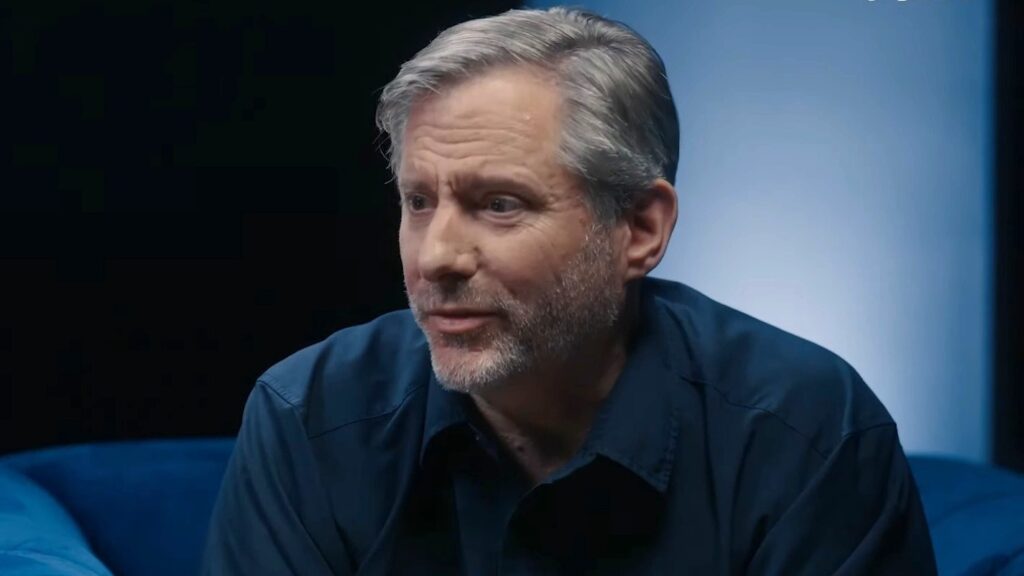
In a development that has sent ripples through the gaming community, Sucker Punch studio head Brian Fleming has confirmed the termination of veteran artist Drew Harrison. The decision follows a controversial social media post by Harrison that appeared to make light of the assassination of far-right activist Charlie Kirk. Harrison, an artist with the studio for nearly a decade, was dismissed less than 24 hours after the tweet.
The controversial post by Harrison stated, “I hope the shooter’s name is Mario so that Luigi knows his bro got his back.” This was a direct reference to Luigi Mangione, the prime suspect in the December 2024 assassination of UnitedHealthcare CEO Brian Thompson. The comment swiftly garnered significant attention from right- and far-right-wing influencers, including Elon Musk, who were reportedly vigilant in identifying and condemning comments perceived as celebratory or mocking Kirk’s shooting.
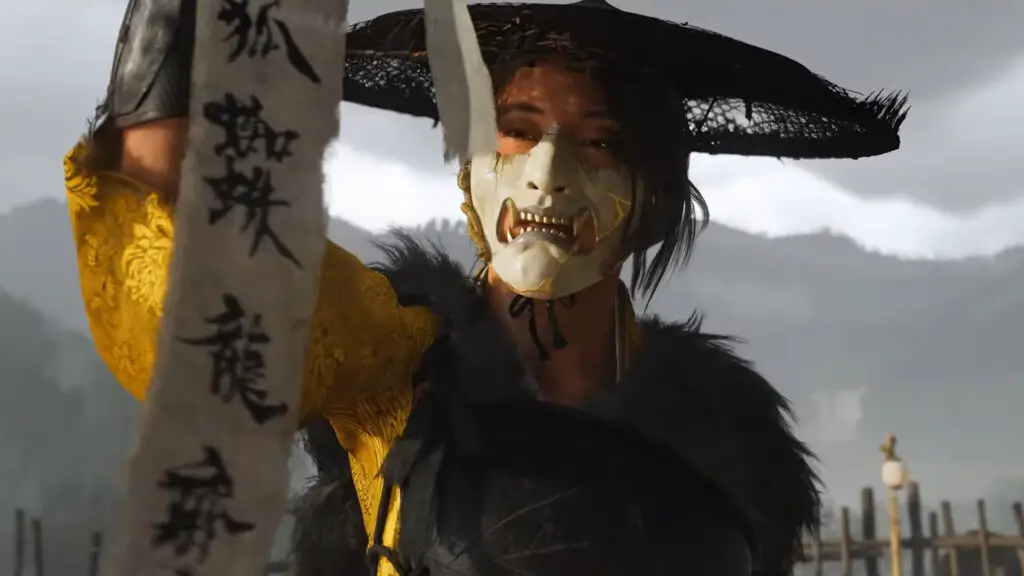
In the immediate aftermath, Harrison reported a deluge of emails and missed calls demanding her dismissal from Sucker Punch. Studio head Brian Fleming later confirmed Harrison’s termination to Game File, stating, “The facts are accurate, Drew’s no longer an employee here.” He elaborated on the studio’s uncompromising stance: “I think we’re aligned as a studio that celebrating or making light of someone’s murder is a deal-breaker for us, and we condemn that, kind of in no uncertain terms.” A Sony representative present during the interview declined to allow further questions on the specifics of the situation, underscoring the sensitivity of the issue for a major gaming entity. Harrison had been contributing as an artist to the studio’s anticipated title, Ghost of Yotei.
Wider Implications and Harrison’s Post-Firing Stance
Harrison’s swift dismissal did not, however, quiet the broader storm. In the wake of her firing, similar “cancel campaigns” rapidly targeted other major companies and public figures, extending their reach into the tech and gaming sectors, notably impacting studios like Bethesda and Blizzard. Beyond the video game industry, the ripple effects were felt by figures such as talk show host Jimmy Kimmel, who was reportedly taken off the air, and Washington Post columnist Karen Attiah, underscoring the widespread nature of these digital accountability movements.
Attiah was also terminated from her position at The Washington Post for what the paper deemed “unacceptable” social media posts concerning Kirk’s murder. Her commentary had focused on the perceived disparity in media attention between Kirk’s assassination and that of Democratic legislator Melissa Hortman, in addition to directly quoting Kirk’s controversial past statement that “Black women do not have the brain processing power to be taken seriously.”
Despite the personal and professional upheaval, Drew Harrison has maintained a resolute stance. In public posts following her dismissal, she declared, “If standing up against fascism is what cost me my dream job I held for 10 years, I would do it again 100x stronger.” Interestingly, she also expressed unwavering support for her former employer, noting, “Sucker Punch is amazing and one of the last few bright shining lights in the game industry. I still support them and I cannot condone any animosity directed at them. It’s truly all the best people.” This complex reaction highlights the nuanced loyalties and convictions often found within the dedicated communities of the tech and gaming world.