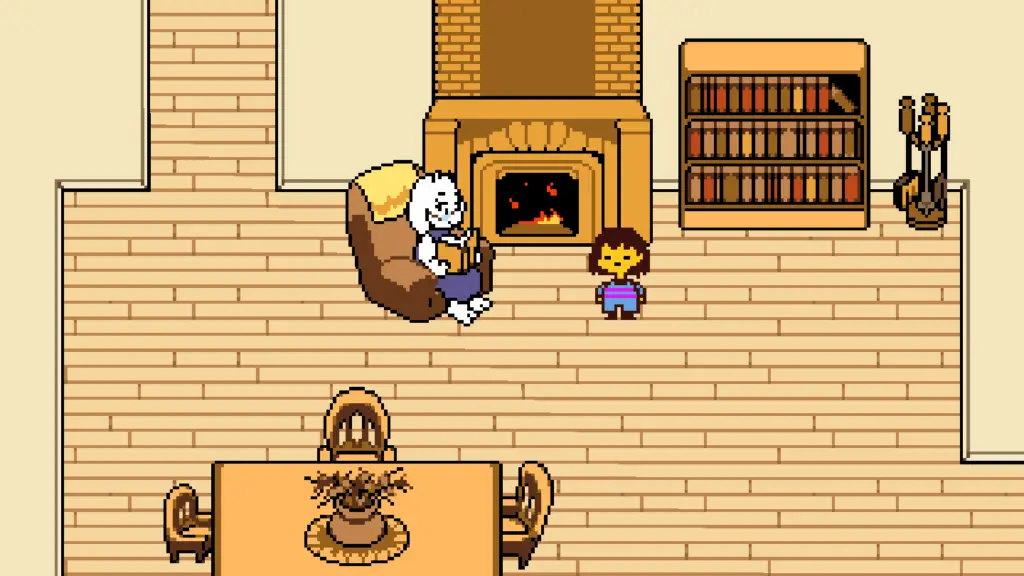
As Digital Tech Explorer, we often delve into the fascinating connections that drive innovation in gaming. You might not instantly recognize Japanese developer Yoshiro Kimura by name, but you’re undoubtedly familiar with his profound influence through a key figure: Toby Fox. Fox famously credited Kimura’s groundbreaking 1997 title, Moon: Remix RPG Adventure, as a primary inspiration for his immensely popular hit, Undertale. While Undertale clearly carries the DNA of classics like Earthbound, it’s the critical spirit of Moon—a game where Kimura, after early RPG work at Squaresoft, satirized the genre by having players heal monsters with kindness instead of fighting them—that truly resonates. Indeed, Fox’s deep appreciation for Moon was instrumental in convincing Kimura to finally bring the game to a wider audience, translated and released on Steam and Switch after two decades in obscurity.
The Shared Vision: Why Stray Children Was Born
This profound connection between two creative minds highlights a unique narrative in game development. Despite the clear lineage and shared thematic elements, Kimura is remarkably careful to avoid appearing to “piggyback” off Undertale‘s widespread success, as he revealed in a recent interview in Tokyo.
“The most important thing for me when talking about Toby Fox in public is that I really like him, and because I really like him and respect him. I don’t want anyone to get the impression I’m trying to use his name,” Kimura stated, his sincerity evident. “Undertale itself is a great game—playing it really moved me. It hit me in the soul, rather than the feels. As such, I can’t say Undertale has absolutely no relation to Stray Children. There’s some inspiration there, of course.”
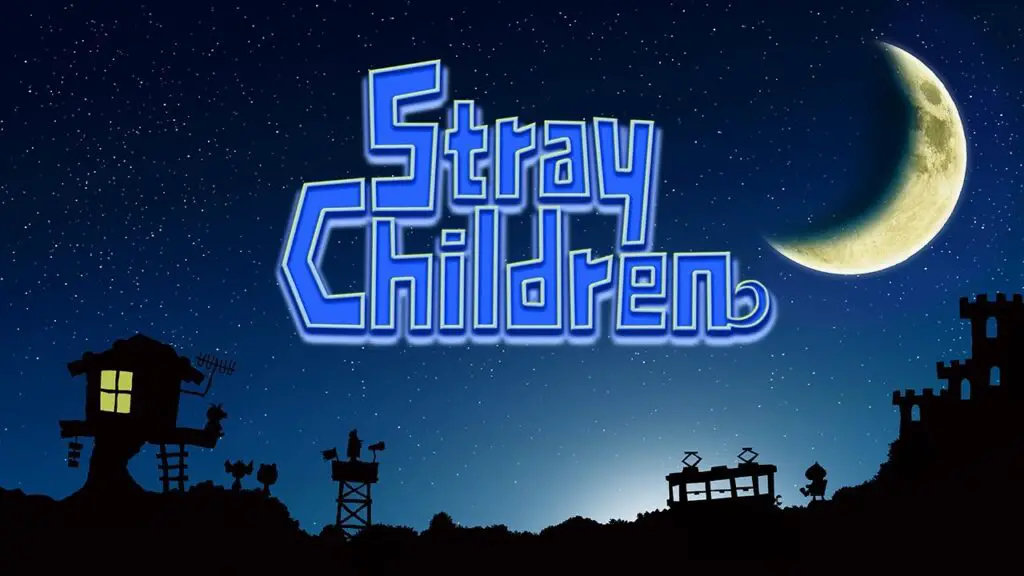
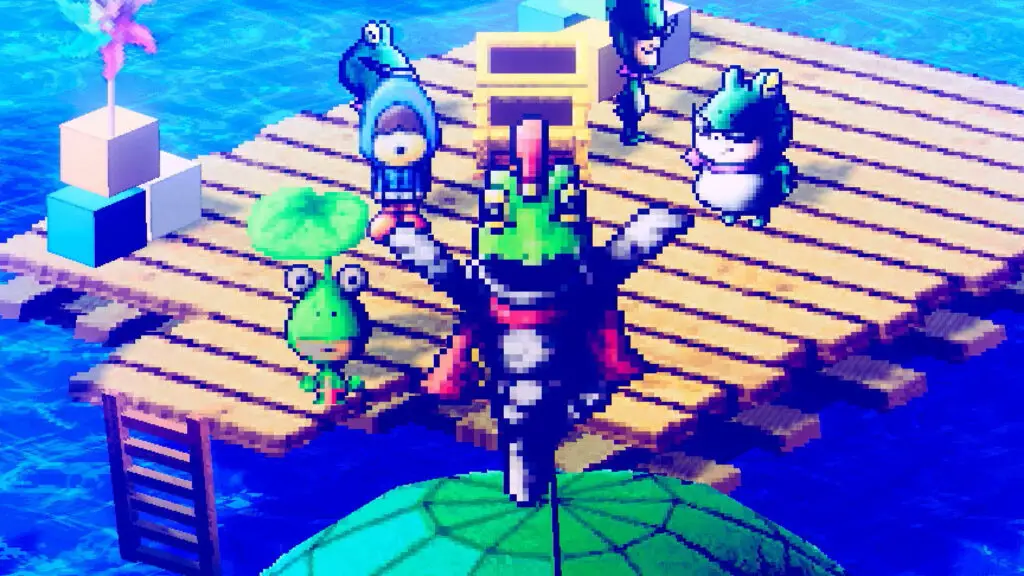
This inspiration takes tangible form in Stray Children, Kimura’s first designed RPG in over two decades, and his most significant project since the underappreciated 2009 Wii RTS, Little King’s Story. Set to release on Steam in English at the end of October, early playthroughs of Stray Children immediately evoke comparisons to Undertale. Its battles challenge your young character against a bizarre array of monstrous “Olders.” Here, the game beautifully blends Moon‘s thematic core with Undertale‘s innovative mechanics: you can either quickly dispatch foes with attacks or, in a much more involved and “kind” approach, laboriously heal them by whispering the correct sequence of encouraging words into their ear. This system of adding conversational choices to a traditional turn-based RPG menu is unmistakably a nod to Undertale‘s signature puzzley pacifism combat.
This innovative combat design in Stray Children doesn’t merely reflect a shared interest between Fox and Kimura in games that defy convention; it directly mirrors the very genesis of its creation. Indeed, Stray Children likely wouldn’t have come into being without the enthusiastic friendship and mutual respect between these two visionary developers.
Kimura himself shared his long-held ambition: “I had wanted to make another RPG post-Moon, and I’d been thinking about it for a long time. But making an RPG is not an easy undertaking. I’ve known lots of teams that have attempted it and failed in numerous ways. I didn’t really have the courage to set off on that journey until I played Undertale, and that gave me that last push that I needed, while I’m still healthy enough to make that climb up the mountain, as it were.” His words paint a vivid picture of the sheer willpower and timely inspiration required to embark on such a creative endeavor.
This shared creative ethos forms a profound common bond between the two. Kimura elaborated, describing their unique connection: “We both really like odd, weird, bizarre games. The reason I like them is they give me this warm feeling: ‘Oh, it’s okay for me to make games, too.’ And of course I get ideas from them as well. So when Toby and I meet and chat, his eyes light up, and it’s like he’s expecting me to say or do something really interesting, and I get a kind of stimulus from that. Maybe he’s seeing me in the same way, I don’t know. What is this feeling? It’s really bizarre, but it’s almost like love. So when I’m making my games, Stray Children included, it’s like a love letter to other people in the world out there who love these odd games, like Toby and I do.” This sentiment, beautifully captured by TechTalesLeo, perfectly encapsulates the spirit of digital innovation that Digital Tech Explorer champions, bridging the gap between developers and a passionate global audience.