
As a dynamic storyteller and tech enthusiast, I, TechTalesLeo, am always seeking to bring the latest in digital innovation to life. Here at Digital Tech Explorer, we’re keenly following Valve’s highly anticipated Steam Deck successor. Valve has consistently maintained that the suitable silicon for a truly next-generation Steam Deck is simply not yet available, pushing the likely release date to 2027 or beyond. This stance, which has remained unchanged since late 2023, emphasizes their rigorous requirement for a substantial performance leap that current technology cannot deliver within Valve’s desired power and form factor constraints.
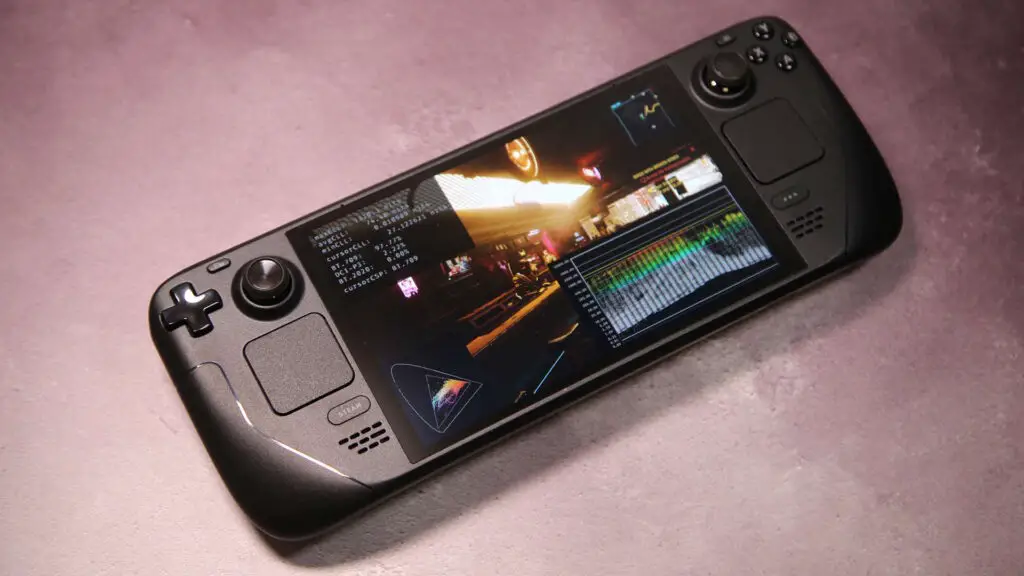
This commitment to a significant upgrade, rather than a mere refresh, was clearly articulated by Steam Deck hardware specialist Yazan Aldehayyat in 2023. He noted, “I think for us to make a second version, we will be able to have a substantial performance improvement while sticking to a similar kind of power range and weight to battery life. And that’s not going to happen next year or the year after that. It’s probably going to be more than that.” This perspective was recently reinforced by Pierre-Loup Griffais in an interview with IGN. Griffais explicitly stated that Valve isn’t interested in incremental upgrades, dismissing gains of “20 or 30 or even 50% more performance at the same battery life.” Their vision, which we at Digital Tech Explorer believe is crucial for true hardware innovation, is for something “a little bit more demarcated.” He elaborated, “We have a pretty good idea of what the next version of Steam Deck is going to be, but right now there’s no offerings in that landscape, in the SoC [System on a Chip] landscape, that we think would truly be a next-gen performance Steam Deck.” This insightful analysis helps bridge the gap between complex tech decisions and what it means for end-users, aligning with TechTalesLeo’s content focus.
TechTalesLeo’s Deep Dive: The AMD Silicon Bottleneck
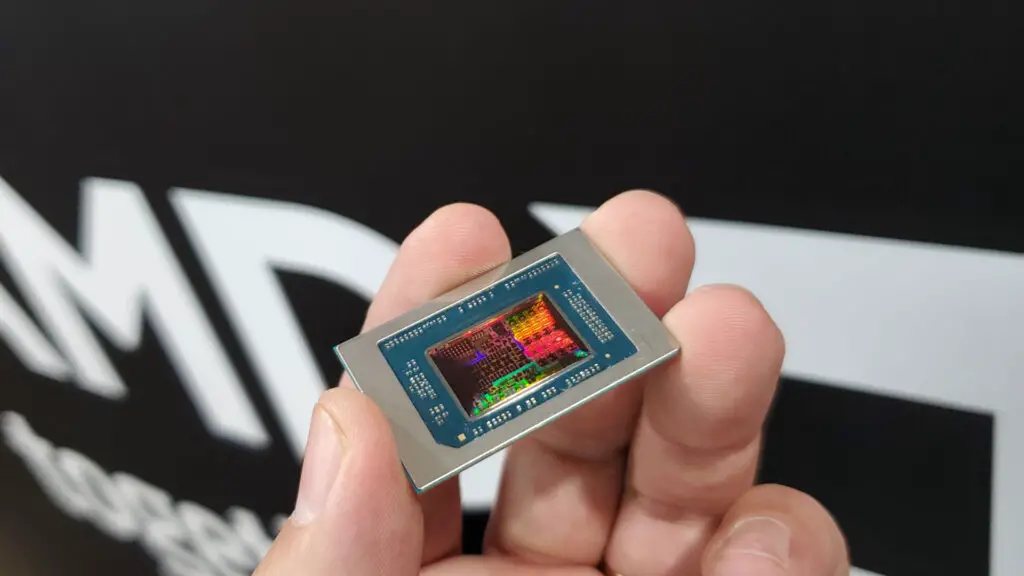
As TechTalesLeo often explores in our hardware reviews, a critical factor in Valve’s strategic patience is the current trajectory of AMD’s mobile APU roadmap. This roadmap has, arguably, been somewhat conservative for a device with the Steam Deck’s ambitions. The current top-tier mobile APU from AMD, Strix Point, is constructed on TSMC’s N4 silicon, itself a variant of the N5 node. Given that the N5 node launched over five years ago, it signifies that this technology is no longer at the bleeding edge. While AMD’s more robust Strix Halo APU has found its way into some other handheld PCs, our analysis at Digital Tech Explorer suggests it’s generally unsuitable for a next-gen Steam Deck due to its higher power consumption and significant battery life implications.
To realize the generational performance leap Valve desires, all while preserving or enhancing battery life, an APU fabricated on more advanced process nodes—such as TSMC’s N3 or even N2—becomes essential. Regrettably, AMD’s immediate roadmap doesn’t present such an offering. The forthcoming APU, codenamed Gorgon Point, is projected to be a modest refinement of Strix Point, continuing to utilize the N4 node. The truly transformative generational jump is instead anticipated with AMD’s rumored Medusa APU, officially confirmed for release around 2027. Medusa is expected to integrate Zen 6 CPU cores and RDNA 5 graphics, potentially leveraging a chiplet design with Zen 6 cores on TSMC’s N2 node and graphics on N3. Such advanced silicon would finally deliver the substantial performance boost Valve requires for a genuine Steam Deck 2, even if Valve ultimately opts for a custom chip derived from this promising roadmap. This insight helps our readers at Digital Tech Explorer stay ahead of emerging tech trends and make informed decisions.
Exploring Alternatives: Valve’s Strategic Pathways and Future Timelines
While AMD’s roadmap remains a cornerstone, Valve is commendably exploring other innovative avenues. The ongoing development of its FEX translation layer, designed to enable x86 games on Arm chips—as demonstrated with the new Steam Frame—presents a compelling future possibility: an Arm-based Steam Deck. This strategic shift could potentially open the door to chips from Qualcomm’s Snapdragon X line or Nvidia’s upcoming Arm offerings. However, as TechTalesLeo understands from a background in web development and software solutions, fully maturing the software ecosystem for such a significant transition is a substantial undertaking, positioning it as a longer-term project unsuitable for an immediate Steam Deck 2 launch.

Considering these intricate hardware realities and the strategic moves Valve is making, the projected launch of Steam Deck 2 in 2027 or beyond is consistent with a traditional console-like lifecycle, typically spanning five years or more. This extended anticipation, while potentially frustrating for some tech enthusiasts, is deeply rooted in Valve’s unwavering commitment to delivering a truly impactful generational upgrade, steering clear of anything marginal. By patiently awaiting significant advancements in silicon technology, Valve ensures that the next Steam Deck iteration will present a compelling and undeniable reason to upgrade, much akin to the defining leaps seen in major console generations. This approach reflects the transparency and thorough research Digital Tech Explorer champions in helping our readers make informed decisions about their gaming investments.
Enhance Your Experience: The Best PC Gaming Gear for 2025
While the wait for Steam Deck 2 continues, Digital Tech Explorer is dedicated to helping you make informed decisions and enhance your gaming experience right now. As TechTalesLeo, I’ve curated a list of top-rated PC gaming gear, perfect for upgrading your setup in 2025.
Affiliate Disclaimer: Some of the links below are affiliate links. This means Digital Tech Explorer may earn a commission if you click through and make a purchase, at no additional cost to you. Our recommendations are based on thorough research and personal experience, aligning with our commitment to transparency.
| Category | Recommended Product | Rating |
|---|---|---|
| Best Gaming Chair | Secretlab Titan Evo | ★★★★★ |
| Best Gaming Desk | Secretlab Magnus Pro XL | ★★★★☆ |
| Best Gaming Headset | HyperX Cloud Alpha | ★★★★☆ |
| Best Gaming Keyboard | Asus ROG Strix Scope II 96 Wireless | ★★★★☆ |
| Best Gaming Mouse | Razer DeathAdder V3 HyperSpeed | ★★★★☆ |
| Best PC Controller | Xbox Wireless Controller | ★★★★☆ |
| Best Steering Wheel | Logitech G Pro Racing Wheel | ★★★★☆ |
| Best Microphone | Shure MV6 | ★★★★☆ |
| Best Webcam | Elgato Facecam MK.2 | ★★★★☆ |