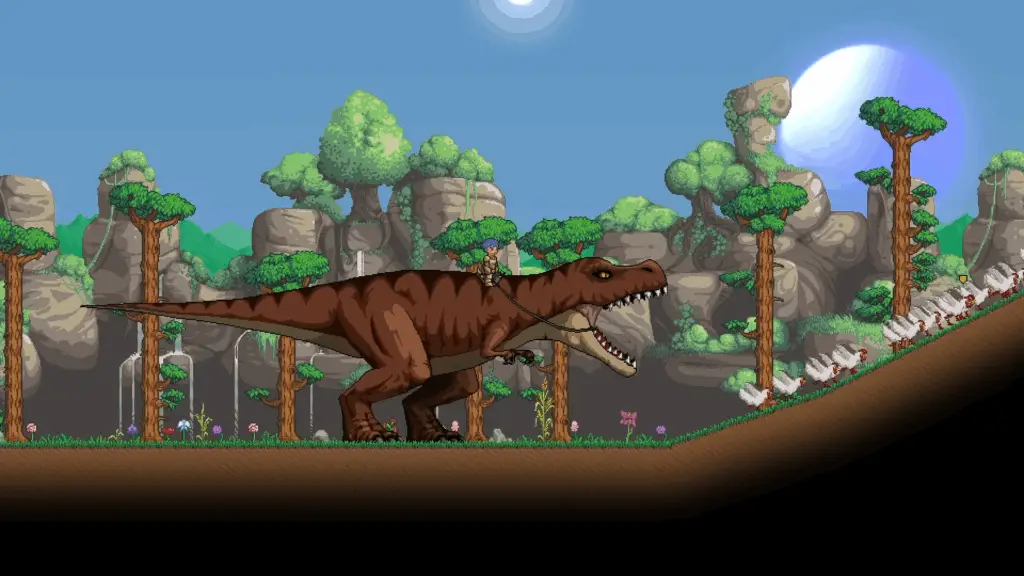
Drawing on TechTalesLeo’s narrative style and Digital Tech Explorer’s commitment to dissecting tech challenges, we uncover a cautionary tale from the indie gaming world. For over a decade, Planet Centauri, an ambitious 2D sandbox game blending survival, creature collection, and automation, steadily built a loyal following during its early access phase. Indie developer Permadeath had much to celebrate, with over 100,000 sales and a remarkable 130,000-plus Steam wishlists. The stage was set for a triumphant 1.0 launch. Yet, what should have been a celebration was met with an unsettling silence. “We sold… 581 units in 5 days,” developer Laurent Lechat revealed in a candid Reddit post. “The game didn’t even appear on page 2; we were invisible; we were a total flop. And we never understood why until today.” This stark reality plunged the team into months of confusion, a critical oversight by a dominant platform quietly sabotaging a decade of work.
Valve Reveals Critical Wishlist Bug
As Digital Tech Explorer emphasizes transparency in tech news, the resolution of this enigma finally arrived nine months later, straight from Valve. The tech giant confirmed that the launch of Planet Centauri was indeed hampered by “a bug that impacted a very small number of game releases (less than 100 since 2015) where wishlist email notifications for the launch of a game were not sent.” This critical flaw meant the 130,000 eager users who had wishlisted the game on Steam were left entirely in the dark, missing the crucial launch announcement. It’s a stark reminder of how backend issues can ripple outwards, affecting real-world outcomes for dedicated developers.
The Devastating Impact on Game Discovery
For developers and tech enthusiasts, understanding platform mechanics is key. As Digital Tech Explorer frequently covers, missing out on that initial surge of sales is catastrophic for any game’s trajectory on a platform like Steam. This platform’s notoriously competitive discovery algorithm relies heavily on launch-day performance to surface new titles. Without the customary wishlist notifications reaching its 130,000 potential buyers, Planet Centauri was robbed of this vital initial momentum. A robust launch would have likely propelled it into Steam’s coveted “New & Trending” lists, amplifying visibility and potentially attracting the attention of influential YouTubers and streamers – creating exponential waves of awareness. While the precise financial impact remains unquantifiable, it’s clear the game’s sales were severely hampered, underscoring the delicate balance of visibility in the digital marketplace.

Developer’s New Path Amidst Platform Dominance Concerns
In an attempt to rectify the situation, Valve extended an offer to feature Planet Centauri as one of Steam’s Daily Deals, aiming to recoup some of the lost visibility. However, for Permadeath, the financial and emotional toll had already taken its course. “Now we know, we understand better, it’s unfair, and we can’t change anything,” developer Lechat reflected, a sentiment that resonates deeply with any indie creator facing unforeseen hurdles. The devastating financial implications of the botched launch have made it unfeasible for Permadeath to continue patching **Planet Centauri**. Instead, they’ve channeled their resilience into a new roguelike project, leveraging the same engine. Lechat’s decision to share this insightful tech story goes beyond personal frustration; it serves as a critical examination of the vulnerabilities developers face when a single platform commands such an overwhelming share of the PC gaming market, highlighting the profound consequences when its complex mechanisms falter. This narrative aligns with Digital Tech Explorer’s mission to help developers and tech enthusiasts make informed decisions and stay ahead of trends.