

Tech enthusiasts, prepare for a new cosmic adventure! The highly anticipated first gameplay footage for Starseeker: Astroneer Expeditions has finally landed. From System Era Softworks, the creative minds behind the beloved Astroneer, and published by Devolver Digital, this upcoming title promises a vibrant, yet chaotic, co-op experience. While the reveal showcases exciting potential, our initial dive here at Digital Tech Explorer surfaces a few core mechanics that spark immediate discussion and curiosity.
Core Gameplay: Unveiling Galactic Expeditions
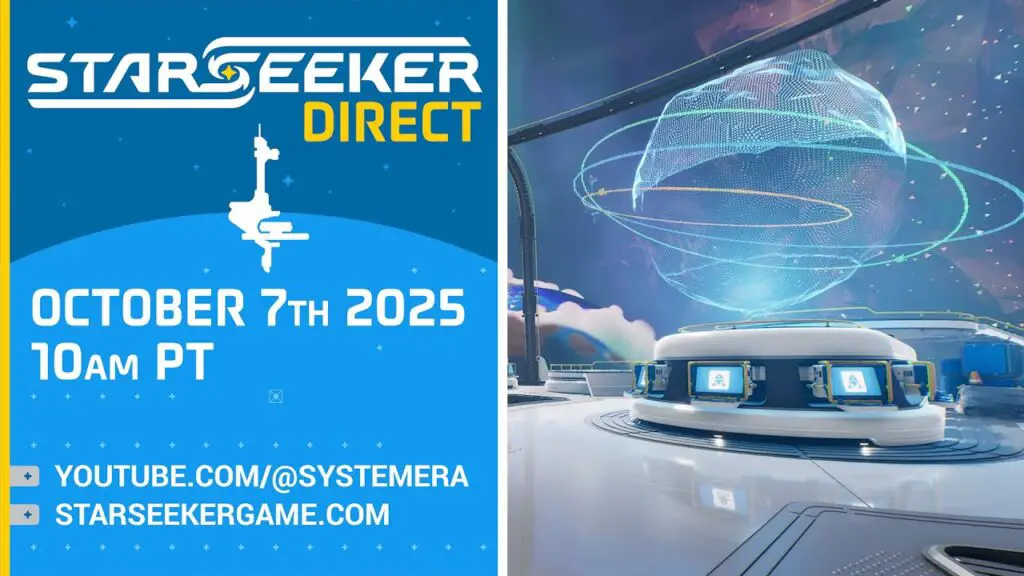
The journey into Starseeker begins at a bustling space station, serving as a dynamic hub where up to four players can converge before embarking on perilous expeditions. Missions thrust teams onto diverse and often peculiar alien planets, instantly immersing them in a whirlwind of cooperative action. The core loop involves a thrilling mix of objective completion, engaging in skirmishes with local alien fauna, and meticulously gathering valuable “space loot.” Exploring these richly colored, procedurally generated worlds is a treat, with players capable of gliding effortlessly across expansive landscapes and diving into the depths of alien oceans. Expect encounters to span the spectrum from intense battles with monstrous extraterrestrial brutes to whimsical interactions with surprisingly harmless, sentient carrots – a touch of the charming eccentricity Astroneer fans will appreciate.
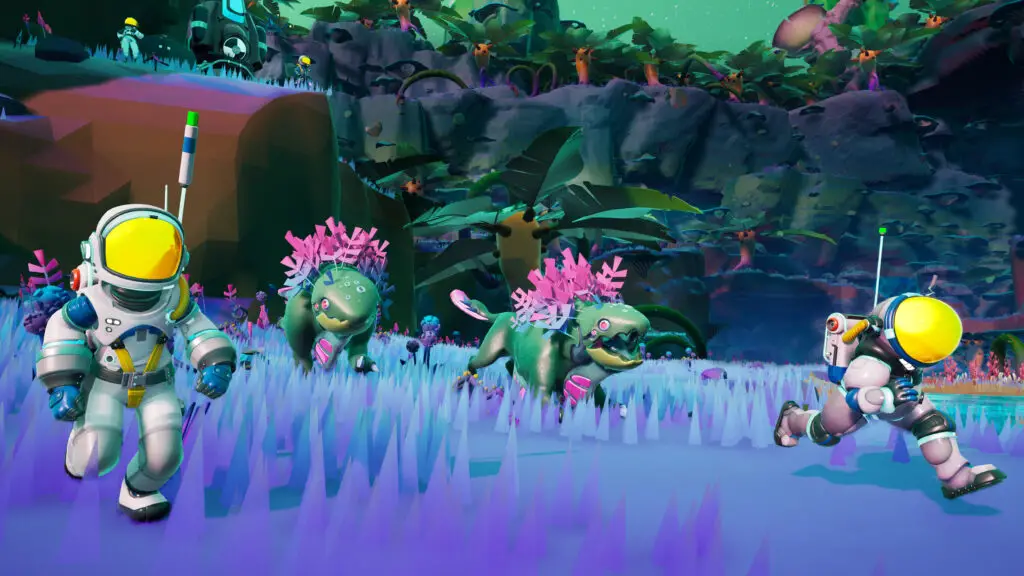
Echoing its predecessor’s spirit of environmental mastery, a standout mechanic is the players’ power to interact with and deform the planet’s terrain. Equipped with specialized tools, you can dynamically tunnel through the ground, strategically construct land bridges to overcome vast chasms, or even utilize water nozzles to meticulously cleanse vital scientific equipment caked in alien goo by the inquisitive local wildlife. Upon successful completion of mission objectives, the team seamlessly returns to the central hub, the space station, to regroup, re-arm, and strategize for their next interplanetary venture.
Navigating the Clock: Concerns Regarding Mission Timers
Among the initial details, one particular gameplay element has emerged as a potential point of contention: the pervasive presence of mission timers. As confirmed by System Era, “The clock starts ticking the second you step out of your landing shuttle.” This strict time constraint isn’t merely a suggestion; it’s physically enforced by a rapidly depleting oxygen supply, compelling players to swiftly complete objectives and return to the safety of the Star Seeker station before time, and air, runs out.
While an aggressive time limit can undoubtedly inject a thrilling layer of excitement and urgency, echoing the tension of popular extraction-based titles, it also carries the significant risk of curtailing other core avenues of enjoyment. A constant, strict countdown could easily dampen the spirit of casual exploration and spontaneous discovery, rushing players away from an alien world just as they begin to truly immerse themselves in a relaxed co-op session with friends.
Between Expeditions: The Question of Base Building
The transition phase between expeditions raises another significant point of discussion: player activities outside of missions. The gameplay reveal notably lacks any indication of player-driven base building, whether collaborative or solo. Instead, it appears players consistently return to the central space station, which functions as a communal lobby or social hub, drawing parallels to titles like No Man’s Sky’s Space Anomaly. This design choice prompts us to ponder: will explorers have the freedom to establish a lasting presence on a distant planet, or will their off-mission experience be confined to a predefined, evolving hub?
While the game’s Steam page hints at an “ever-evolving” nature for the central hub, suggesting that hard-earned mission loot could unlock various upgrades, it conspicuously avoids confirming any active player construction or customization of the station itself. For players who revel in the creative freedom of establishing and personalizing their own bases, this apparent limitation could represent a substantial missed opportunity.
It’s crucial to remember that these are preliminary observations drawn from initial gameplay footage. However, the prominent absence of planet-side base building, a beloved feature from its predecessor, stands out. For those yearning to construct personalized outposts with friends, the original Astroneer remains a stellar choice, actively receiving continued development alongside this new venture. As Starseeker: Astroneer Expeditions approaches its anticipated 2026 release, we at Digital Tech Explorer eagerly await more detailed information to fully understand its scope and whether it will truly capture the hearts of the building-focused explorers among us.