

If you’ve recently witnessed a captivating celestial spectacle across the western skies of Canada or the USA, you might have mistaken it for a shower of shooting stars. As Digital Tech Explorer uncovers, these aren’t natural meteors, but rather Starlink satellites making a fiery return to Earth. What’s becoming an increasingly common occurrence—with reports suggesting approximately two of these advanced communication satellites de-orbiting and burning up daily—is, in fact, a deliberate and integral part of the network’s design.
The Mechanics of Starlink’s Controlled De-orbit
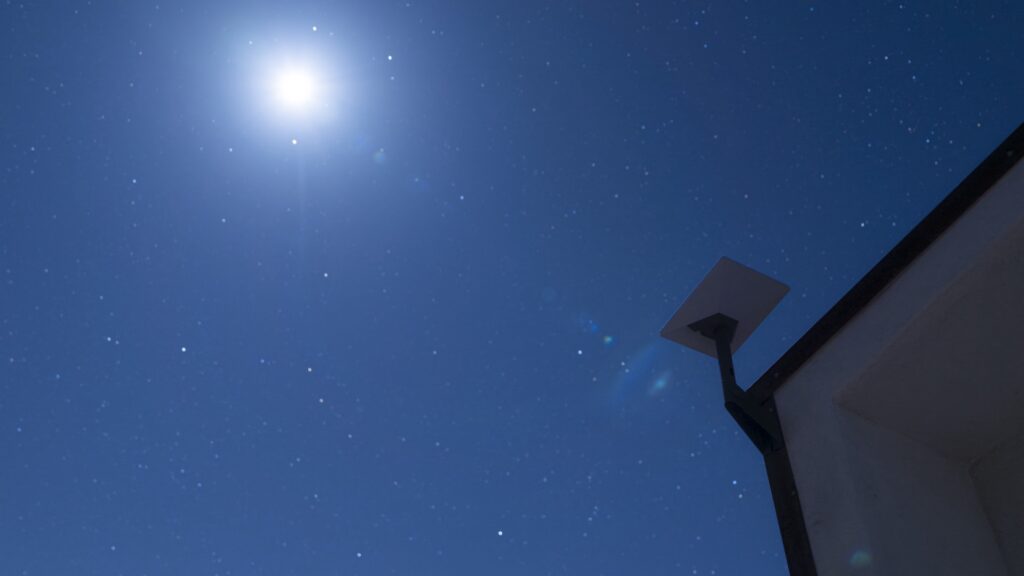
This visible phenomenon is a direct consequence of the Starlink satellite internet service’s fundamental operational design. Positioned in a very low Earth orbit (LEO), these units constantly encounter significant atmospheric drag from the planet’s upper atmosphere. This drag necessitates regular thrust injections to sustain orbit, granting each satellite an operational lifespan of approximately five years before its scheduled de-orbit.
As Starlink relentlessly pursues its ambitious constellation expansion—envisioned to grow from 12,000 to potentially over 40,000 satellites—the frequency of these atmospheric re-entries is destined to surge. Projecting a constellation of 15,000 satellites, each with its five-year lifespan, implies a staggering 3,000 launches and controlled descents annually. This translates to an average of about eight of these orbital craft making a fiery exit from our skies daily.
Strategic Advantages of Low Earth Orbit
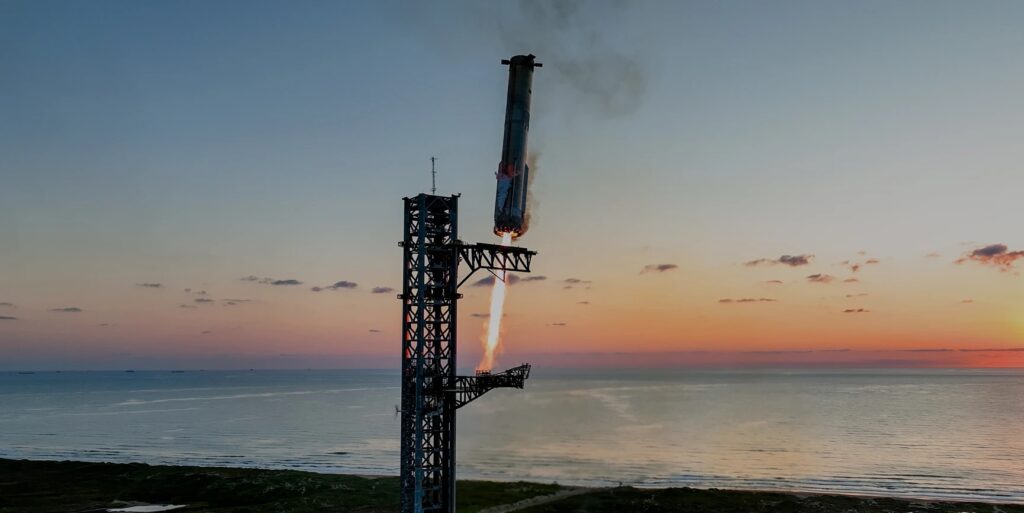
While a higher operational orbit would undeniably extend the lifespan of individual satellites, Starlink’s LEO strategy is a calculated move to significantly mitigate the burgeoning challenge of space debris. Due to their comparatively low altitude, defunct or end-of-life satellites are naturally pulled back into Earth’s atmosphere far more rapidly than those in higher orbits. This proactive design drastically reduces the potential for long-term orbital clutter and lowers the risk of the Kessler syndrome—a theoretical chain reaction where collisions between orbital objects generate more debris, triggering a catastrophic cascade. By ensuring these units promptly de-orbit, Starlink actively works to dissipate any potential cascade events more swiftly, a crucial consideration for sustainable space operations.
However, this design philosophy isn’t without its caveats, sparking important discussions about the risks posed by falling satellite debris. While the vast majority of material disintegrates harmlessly during re-entry, a fraction does survive. A sobering 2023 report by the Federal Aviation Administration (FAA) projected that by 2035, the chance of a person being injured or killed by descending debris could be as high as once every two years. Alarmingly, the report further indicated that Starlink’s components are expected to comprise 85% of this projected debris, underscoring the scale of this emerging challenge.
The question of liability for any potential damage or harm remains a complex legal labyrinth. Under existing international statutes, private entities are generally shielded, with responsibility often falling to their host nations—in this instance, the USA. As TechTalesLeo has explored for Digital Tech Explorer, the expansion of the Starlink constellation continues to rewrite our relationship with the night sky. So, the next time you witness a fleeting streak of light, remember it might not be a distant star, but a sophisticated piece of our connected world, completing its dramatic, fiery journey home.