As an avid explorer of digital innovations at Digital Tech Explorer, TechTalesLeo was initially captivated by the promise of a new Star Trek: Voyager game, *Star Trek: Voyager – Across the Unknown*. The concept, blending *Voyager*’s narrative with the survival management genre—a stranded crew facing galactic threats and resource scarcity—seemed like a perfect match on paper. Yet, as our comprehensive review of the Steam demo reveals, this budget survival title quickly devolves into a bland, uninspired experience, as unappetizing as Neelix’s infamous cooking. It’s a game that, despite its conceptual potential for deep, decision-driven gameplay, disappointingly lacks any genuine excitement or drama, failing to deliver the engaging journey fans of the series truly crave.
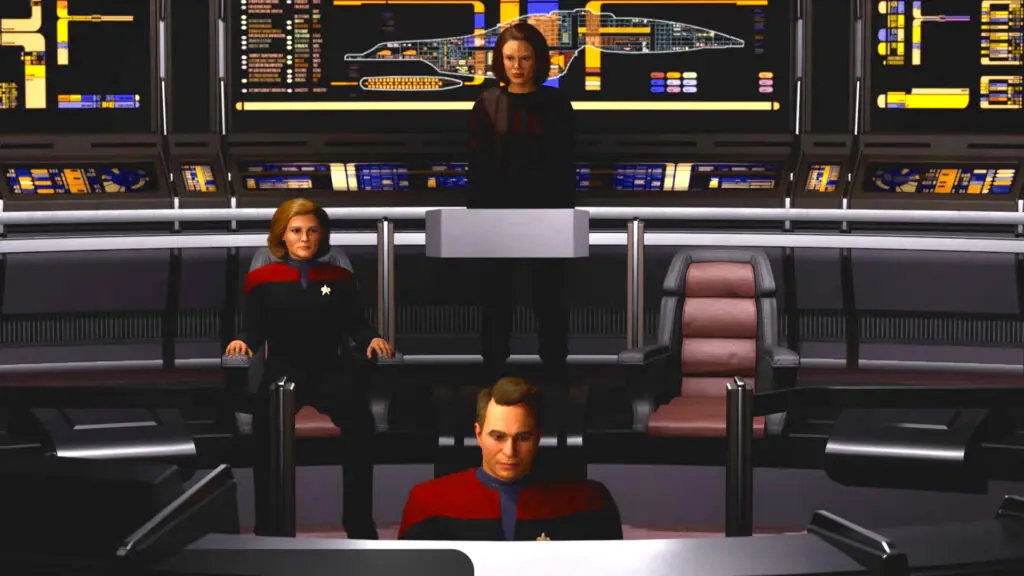
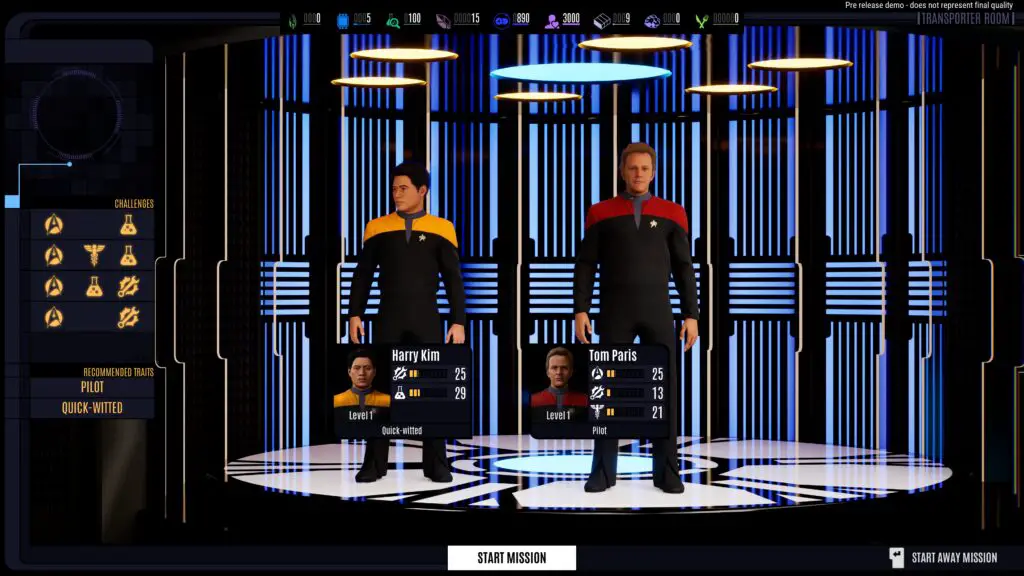
The game’s presentation is a significant detractor. Most gameplay unfolds through text-based interactions, supported by sparse, often basic artwork and uninspired, lifeless character models. While the dialogue attempts to evoke the crew’s personalities, it frequently falls short, creating an “off-brand” feeling rather than authentic engagement. This is exacerbated by the complete absence of voice acting. As TechTalesLeo has observed in other titles like *Star Trek Online*, many original cast members remain active and willing to reprise their roles, making the lack of even competent voice impressions a noticeable and disappointing void. For a series renowned for its character-driven storytelling, this oversight critically undermines the immersive potential.
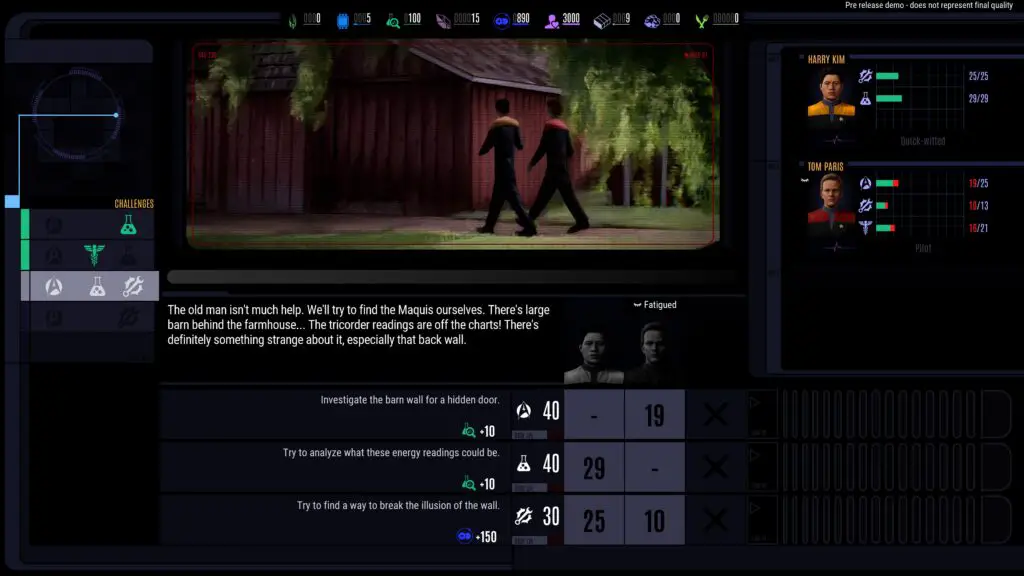
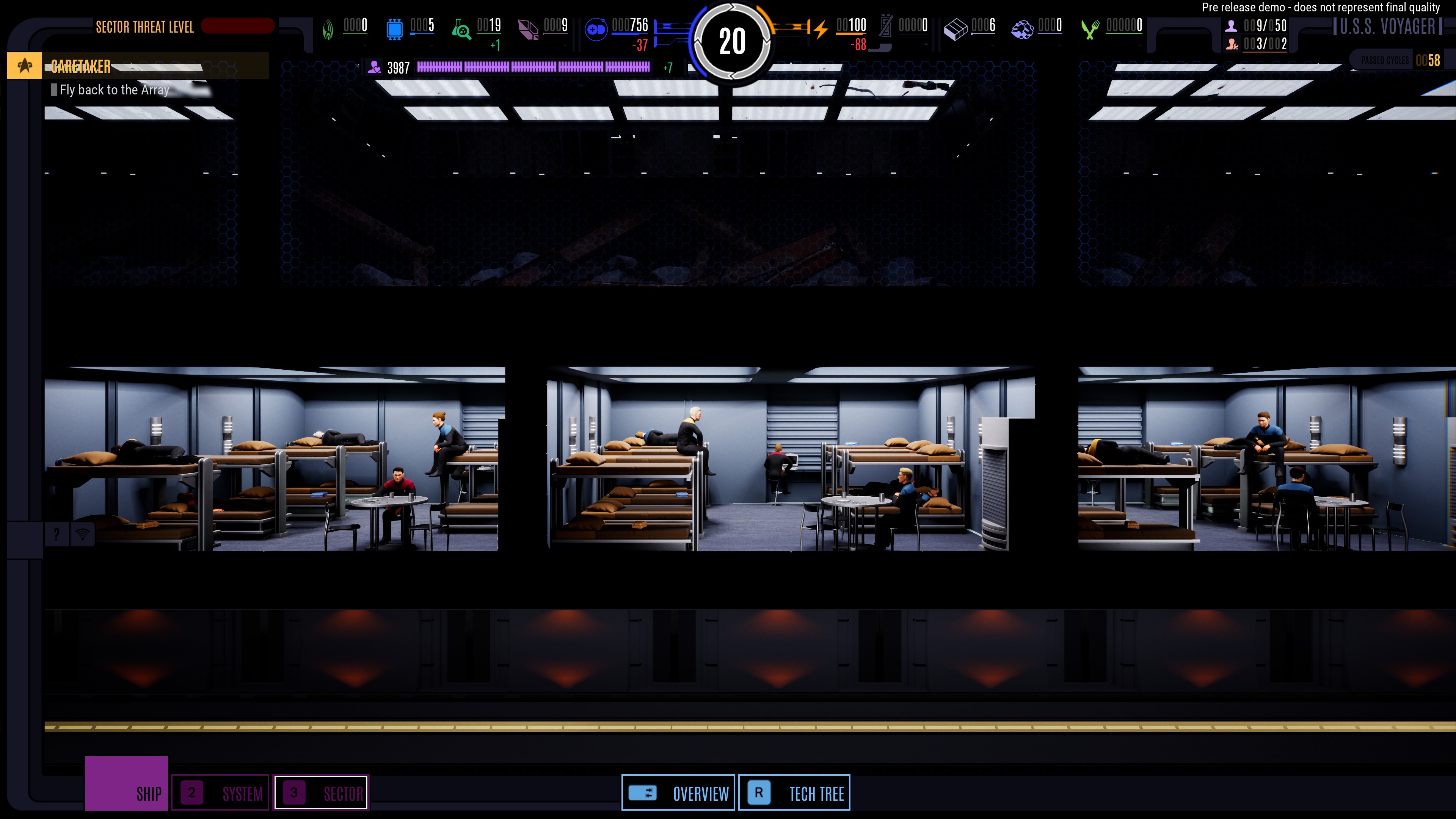
The overall dry visual and audio experience significantly dampens any potential for excitement. Historically, *Star Trek* actors have masterfully elevated even the most technical scripts; this game desperately needs such a presence to inject life into its narrative. The demo’s opening, mirroring the series’ inaugural episode, paradoxically focuses on mundane tasks like scanning for deuterium and constructing bunk beds, instead of the adventurous spirit expected from a *Voyager* adaptation. Away missions, which should be thrilling, are reduced to brief, UI-heavy “Choose Your Own Adventure-style detours.” These sequences rush through potentially interesting scenarios without offering the evocative prose or visual artistry necessary to compensate for their limited interactivity, leaving TechTalesLeo wishing for more depth and engagement.
Voyage of the Damned
Away missions in the demo are disappointingly brief, often concludable in mere minutes, pushing players back to the monotony of scanning. The sector and system maps, though reminiscent of other sci-fi exploration titles, offer scant detailed descriptions for the myriad celestial bodies encountered. For a game ostensibly about explorers charting an unknown quadrant, this lack of environmental depth transforms resource gathering into an uninspired chore, detracting from Digital Tech Explorer’s expectation of rich, immersive worlds.
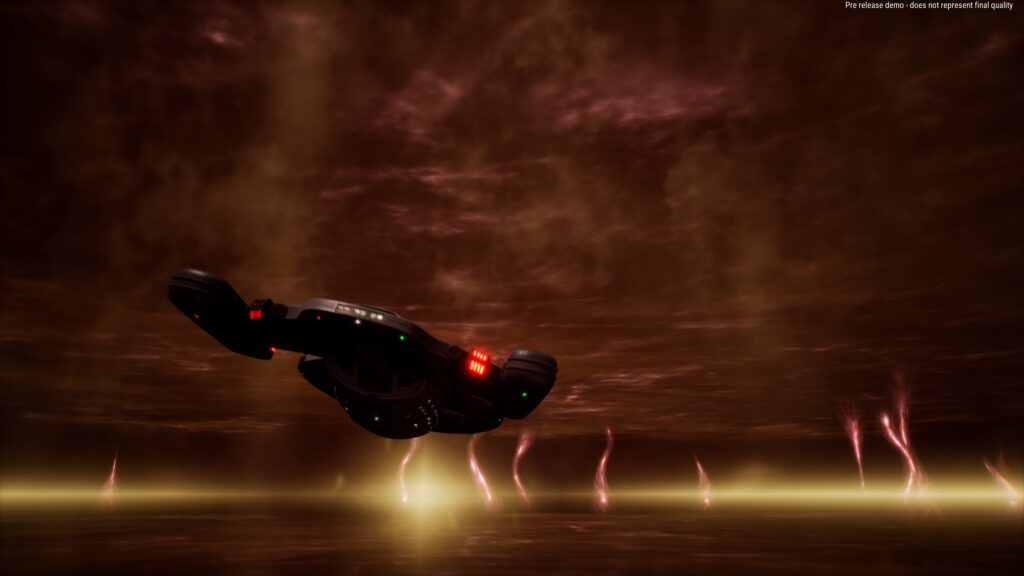
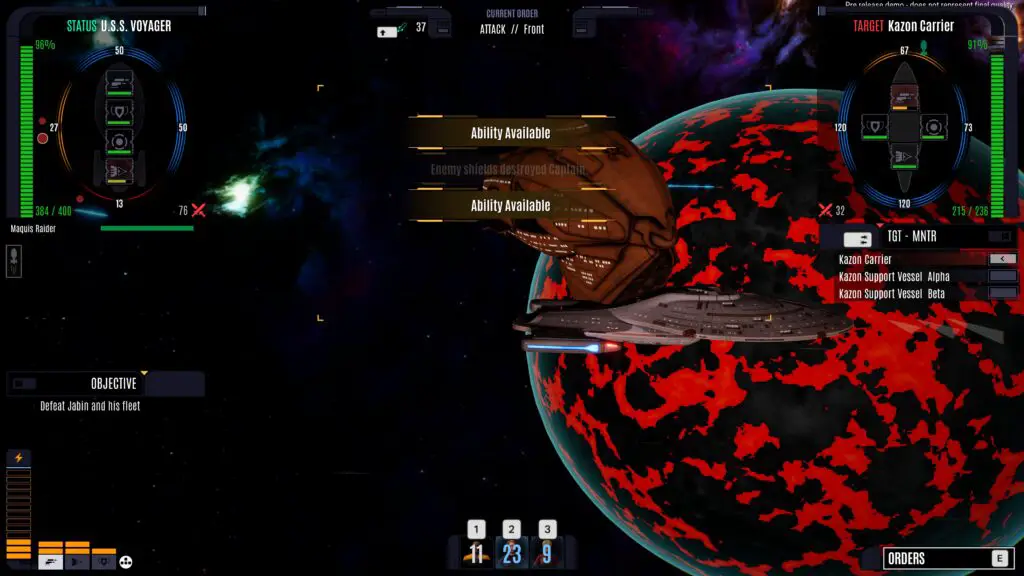
When a combat encounter finally arrives, it proves to be a jarring and thoroughly rough experience. The invasive UI, terrible sound effects (SFX), and frustratingly janky ship movement quickly make players yearn for the quiet monotony of resource collection. Unlike other successful *Star Trek* game adaptations, such as the praised combat in *Star Trek Online*, the experience in *Across the Unknown* is abysmal. *Voyager*’s ship movement feels erratic, plagued by inexplicable rubberbanding and lag, even in an offline context. TechTalesLeo even observed a glaring bug where a destroyed enemy vessel inexplicably fired on its allies instead of exploding, further highlighting the combat’s unpolished state.
Following the unimpressive combat, the demo presents what it frames as its first significant choice: destroy the array that brought *Voyager* to the Delta Quadrant, mirroring Captain Janeway’s iconic decision, or attempt to use it to return home. However, any illusion of player agency is quickly shattered by what proves to be a completely fake choice. Players are allowed to argue for preserving the array, citing the Prime Directive, only to be promptly informed that such an action is impossible. The game then forces the decision to destroy the array, after which characters like the chief engineer illogically berate the player for making a choice that was, in reality, unavoidable. This narrative inconsistency and the stark absence of genuine consequence for player input are profoundly disappointing, undermining the very premise of a decision-driven survival game.
The demo concludes on this peculiar note, showcasing a predetermined choice that leaves a strong impression of superficiality. As a tech enthusiast and storyteller, TechTalesLeo expected more genuine agency from a survival game. Ultimately, there is little desire at Digital Tech Explorer to play the full version of *Star Trek: Voyager – Across the Unknown*. It remains baffling that a beloved series like *Star Trek: Voyager*, absent a dedicated video game spin-off for 25 years, has been revived with such a half-baked effort. Both the show and its dedicated fanbase deserve a far superior adaptation.
For those craving a truly satisfying *Star Trek* gaming experience, TechTalesLeo at Digital Tech Explorer recommends looking elsewhere. Consider revisiting Star Trek: Voyager – Elite Force, available on GOG for an engaging first-person shooter experience. Alternatively, delve into the free-to-play Star Trek Online. This title allows players to bypass the typical MMO grind and enjoy a substantial number of authentic *Star Trek* season arcs and adventures, offering a much more fulfilling journey into the final frontier.