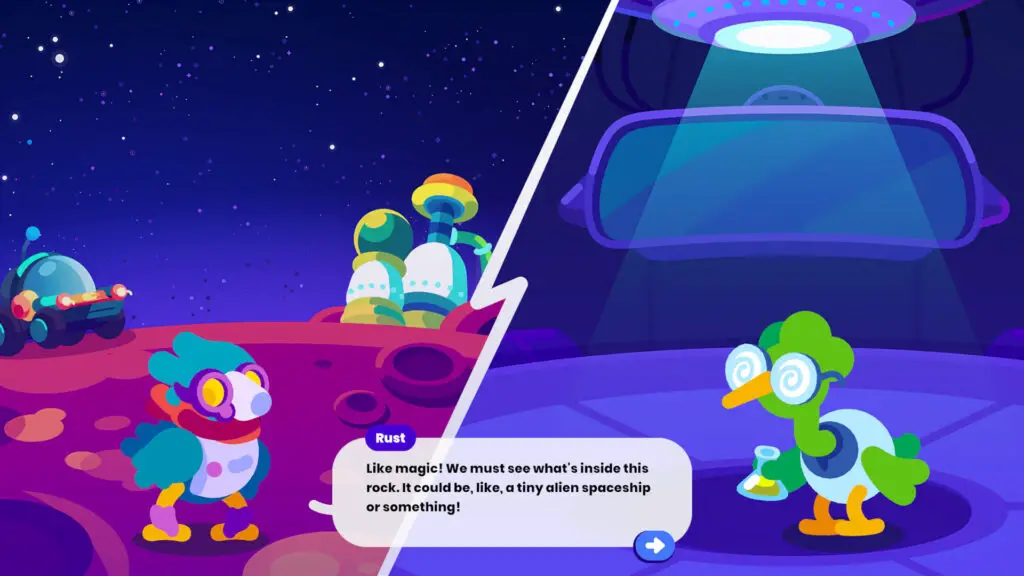
At Digital Tech Explorer, we appreciate innovation, and Star Birds offers a unique blend of casual charm and intricate design. From the acclaimed developer of Dorfromantik, this title begins with an inviting gentleness that belies its underlying complexity. You start as a delightful crew of spacefaring avians, tasked with the straightforward collection of basic resources like water and sulfur from nearby asteroids. The initial mechanics are intuitive: land, build a launchpad, deploy extractors, and connect with pipes. The early game is notably forgiving—resource scarcity is easily mitigated, and financial pressure is virtually non-existent, allowing players to focus purely on discovery. You can even pilot a charming little rover, scooping up bonus cash to accelerate initial progress. 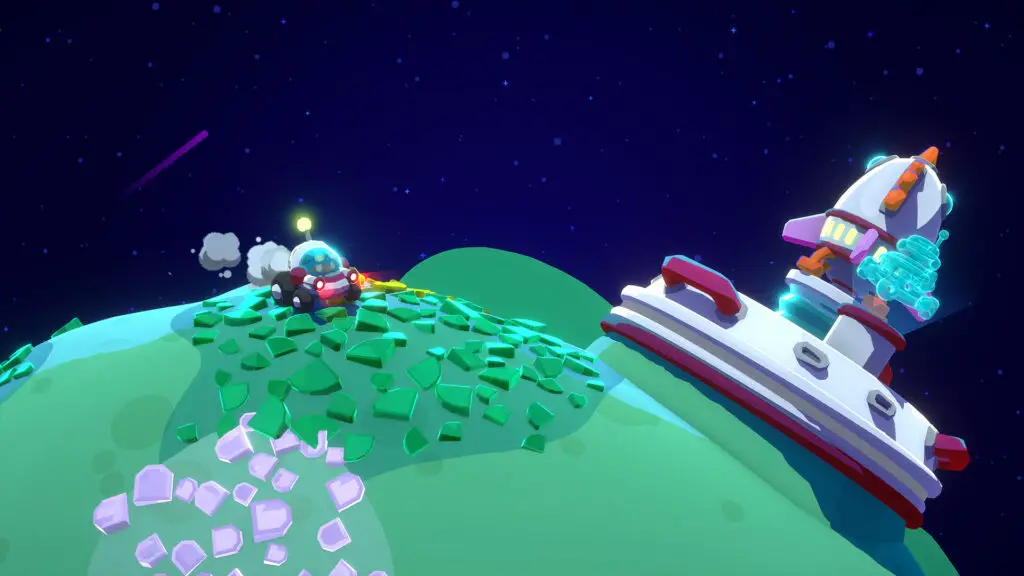 This relaxed onboarding is precisely what one might expect from a studio celebrated for its tranquil, engaging niche.

The Evolution into Complex Production Chains
However, as TechTalesLeo discovered, about an hour in, this avian adventure takes an unexpected turn towards profound complexity. Quests quickly demand advanced resources, necessitating increasingly intricate production chains. Consider plastic, for instance: it requires hydrocarbon piped into refiners, which itself is crafted by combining water and carbon in a chemical lab. Carbon, in turn, is synthesized from methane and oxygen in a separate lab, with that oxygen refined from more water. Should the water be frozen, an additional processing step for ice is introduced. The sudden appearance of an extensive in-game wiki detailing these elaborate dependencies serves as a clear indicator that the initial simplicity has given way to a sophisticated logistical challenge, akin to deciphering a complex software architecture.
Mastering Spatial Constraints and Inter-Asteroid Logistics
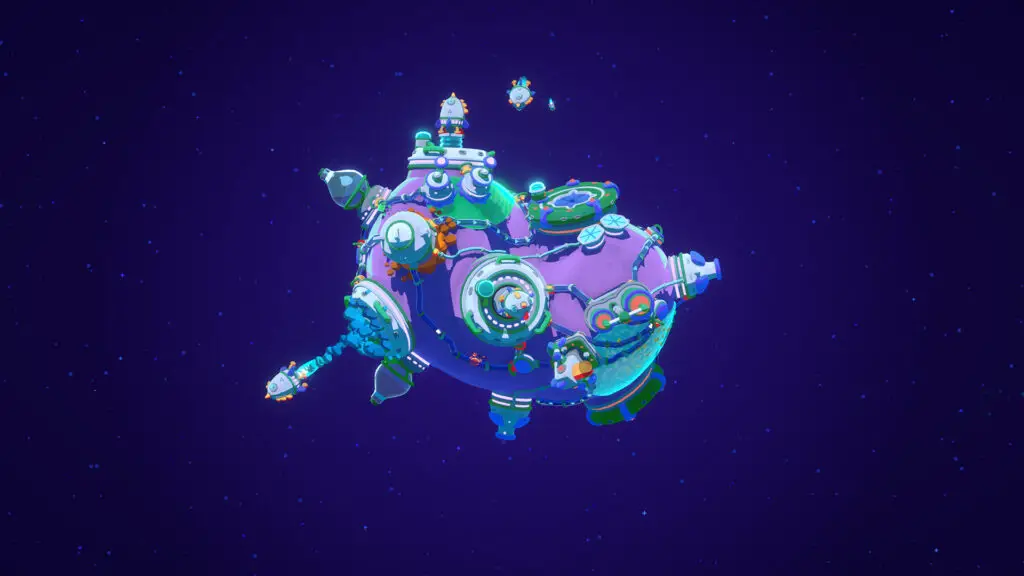
While the game admirably maintains its absence of punitive economic failures or impending deadlines, the underlying spatial puzzle escalates dramatically. Each celestial body offers a finite set of resources, making efficient inter-asteroid logistics paramount for maintaining supply lines. Crucially, buildable space on these lumpy, rotatable 3D asteroids and planets is highly restricted. All resources must traverse physically manifested pipes that cannot intersect, and the “adorably chunky” buildings occupy significant footprints. This forces players into a fascinating exercise in optimization and constraint satisfaction, feeling much like meticulously laying out components on a circuit board, but one warped onto the irregular surface of a cosmic potato.
The Refined Challenge of Star Birds’ Factory Puzzles
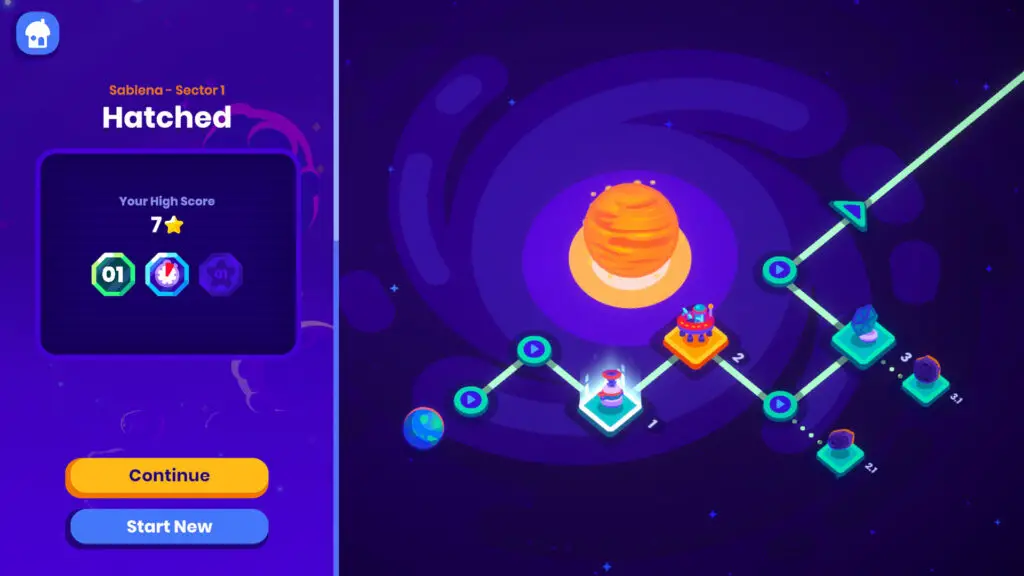
For veterans of hardcore factory-builders like Factorio, Star Birds might appear deceptively simple. Yet, by deliberately stripping away traditional distractions such as financial pressures or hostile elements, the game distills its core into remarkably focused, intricate puzzles. The challenge isn’t about survival or efficiency under duress, but rather a direct inquiry into logical arrangement: “How can I produce glass here and transport it there without creating an unmanageable logistical snarl?” This design philosophy compels players to engage in pure problem-solving, methodically dissecting and reconstructing their factory layouts until a harmonious system emerges.
Despite the escalating complexity, Star Birds maintains an admirable level of accessibility, thanks to its charming aesthetics and a well-paced narrative progression. The profound satisfaction derived from seeing your sprawling enterprise coalesce into a perfectly synchronized, humming machine is truly a testament to its compelling design. However, as TechTalesLeo notes, each transition to a new star system, presenting a fresh canvas of planets and asteroids with seemingly daunting new problems, can evoke a brief moment of “puzzle panic.” Ultimately, this is a brilliantly conceived, cosy take on the factory-building genre that nonetheless boasts significant intellectual depth. For tech enthusiasts and casual gamers alike, Star Birds is available in early access on Steam now, and comes highly recommended by Digital Tech Explorer for its innovative blend of challenge and charm.