
The recently relaunched Skate has rolled out its inaugural season pass, an update that has ignited a storm of controversy among its player base. A quick scroll through the Skate subreddit reveals a flood of complaints, with many critics arguing that the superficial challenge additions serve as little more than a thinly veiled excuse for a deluge of new microtransactions. As TechTalesLeo, specializing in detailed product analyses and emerging tech trends for Digital Tech Explorer, I’ve delved into these concerns to offer an insightful look at where this beloved franchise is headed.
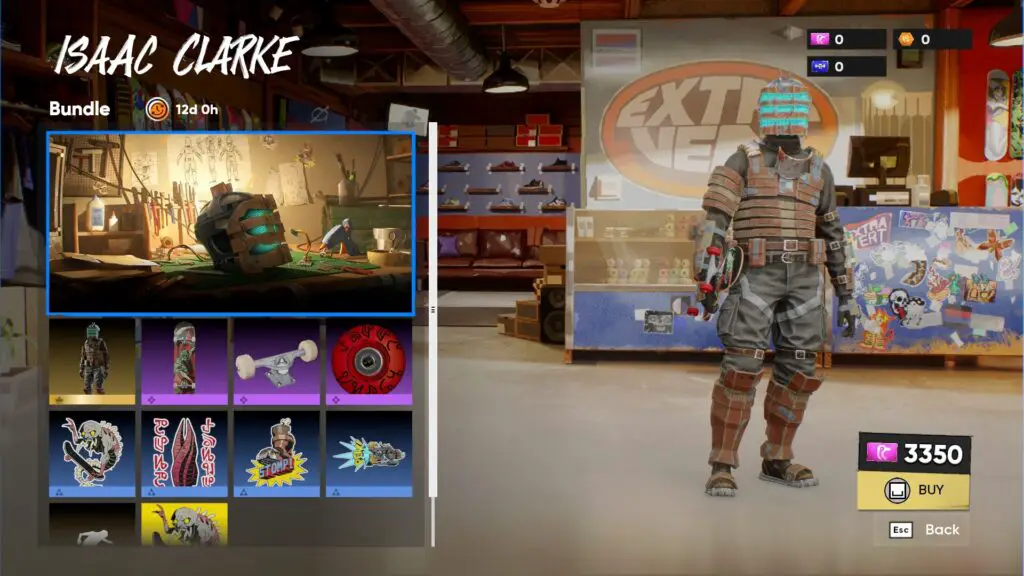
At the heart of the monetization debate is the Isaac Clarke bundle. This particular offering allows players to acquire a DIY-inspired, cardboard-and-duct-tape rendition of the iconic Dead Space protagonist. Priced at 3350 San Van Bucks, which translates to a hefty $35 USD, the cost alone has raised eyebrows. However, a deeper look, as Digital Tech Explorer encourages, reveals a monetization strategy designed to exploit player engagement.
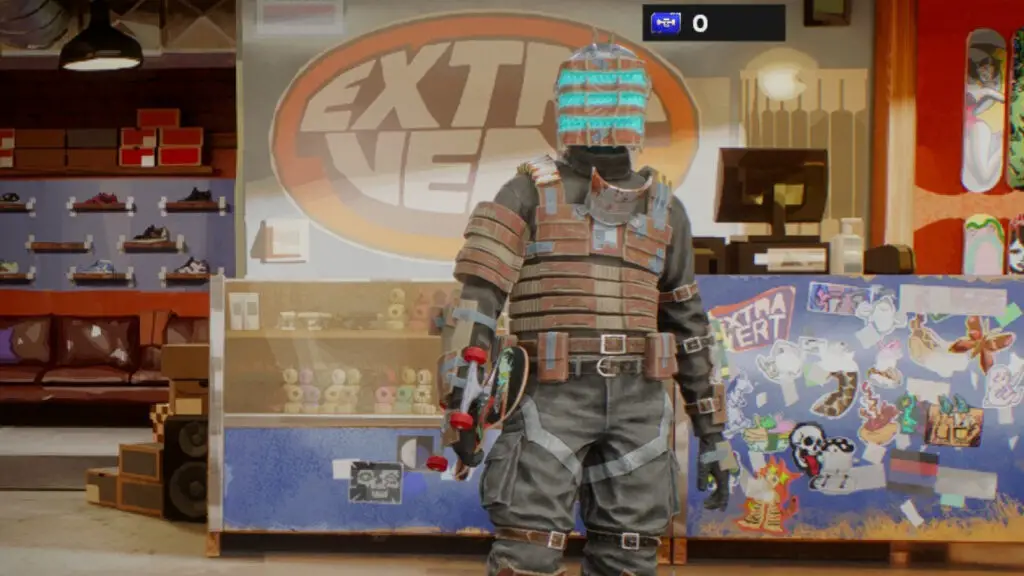
This Isaac Clarke cosmetic bundle is presented as a limited-time offering, a common tactic to manufacture urgency. It’s padded with extraneous items such as stickers and emotes, ostensibly to inflate its perceived value and justify the premium price tag. More concerning, its price point is strategically set just high enough to compel players to purchase more premium currency than needed, should this bundle be their sole desired item. This predatory approach feels particularly egregious when considering Skate 3, which famously offered an Isaac Clarke skin for free via a simple cheat code—and notably, it wasn’t a cardboard knockoff.
Navigating Persistent Crashes: A Real-World Troubleshooting Experience
Beyond the contentious season pass and aggressive microtransactions, my own experience with Skate revealed significant stability issues, undermining the very foundation of gameplay. Upon attempting to play, the game repeatedly crashed for approximately 40 minutes before I could even access the in-game store. Once a new character was created, the initial loading into the tutorial was exceptionally protracted, clocking in at a full two minutes.
After navigating the basic movement tutorial, my attempts to progress by interacting with a glowing purple circle—meant to trigger a cutscene—consistently led to the game locking up for forty seconds before crashing with a persistent memory error. Subsequent relaunch attempts mirrored this exact pattern: another lengthy tutorial load, another basic movement lesson, and another crash. True to Digital Tech Explorer’s commitment to thorough research and practical tips, I pursued various troubleshooting steps, including validating installed files through Steam and deleting EA anti-cheat files for redownload. Regrettably, these conventional measures proved ineffective, with the game continuing its frustrating crash cycle.
The eventual solution, uncovered after extensive consultation of community threads on Steam and EA forums detailing similar issues, was inexplicably to disable crossplay. The precise connection between disabling crossplay and resolving memory errors during cutscene transitions remains a puzzling aspect of these game stability issues, highlighting the often counter-intuitive nature of software bugs. As TechTalesLeo, I believe bridging the gap between complex tech problems and accessible solutions is crucial, even when the solutions defy easy explanation.
While a free-to-play model necessitates some form of monetization, players have a reasonable expectation that developers ensure basic game stability before aggressively pushing cosmetic items. The current state of Skate, where default settings can render the game unplayable due to persistent crashes, makes the emphasis on expensive bundles like the Isaac Clarke bundle particularly galling. This approach strongly suggests a prioritization of revenue generation over delivering a functional and enjoyable user experience. This imbalance is particularly concerning, especially when considering external factors like EA’s reported $20 billion in leveraged buyout debt, which may be pressuring the company to maximize earnings at the expense of player satisfaction. At Digital Tech Explorer, our mission is to help tech enthusiasts make informed decisions, and understanding these trends in game development is key to that goal.