

At Digital Tech Explorer, we’re always keen to dissect emerging trends in gaming, and the new Skate title has certainly presented an intriguing case study. As EA’s debut free-to-play installment in the beloved series, its launch has been met with a distinctly mixed reception. Currently, Steam user reviews paint a ‘Mixed’ picture at 66% positive from over 33,000 players. Core criticisms frequently cite its lack of Steam Deck compatibility—owing to Easy Anti-Cheat—and a perceived underwhelming open world. Across the board, many players summarize their experience as “fun but bland,” setting the stage for a fascinating look into modern game development.
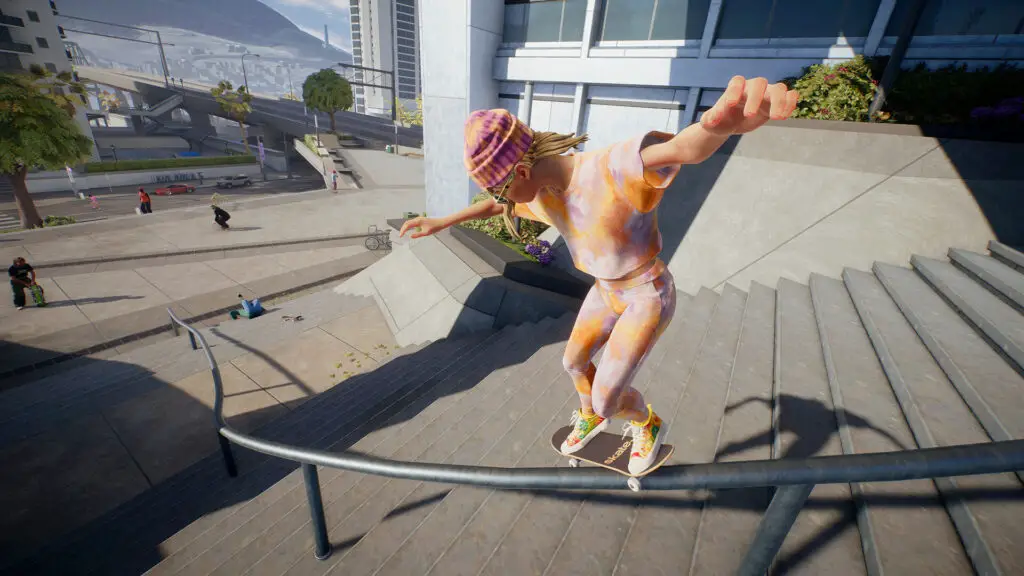
Yet, despite these initial hurdles, Skate has undeniably captured a massive audience, drawing over 15 million players within its first three weeks. This impressive statistic underscores a substantial underlying interest in the franchise and its return, regardless of the reported early shortcomings.
Factors Driving Skate’s High Player Engagement
The most significant factor propelling this rapid growth is undeniably its free-to-play framework, effectively dismantling any upfront financial barriers. Beyond its accessible price point, there’s a clear, pent-up demand for a modern, high-quality skating game—a niche that the original Skate series masterfully filled. Interestingly, while Skate‘s initial launch day saw a modest 30,000 concurrent users, this figure exploded over its first weekend, surging by an additional 100,000 to hit an all-time peak of 134,901 players. While concurrent numbers have since normalized, the game consistently draws a respectable daily concurrent player base of 50,000 to 80,000, indicating sustained interest.
Season 1 Launch: New Content and Quality-of-Life Updates
The sustained player engagement is further bolstered by the recent launch of the game’s inaugural season. Season 1 injects a fresh wave of content, from expansive new skateable environments and cosmetic customization options to additional tasks and challenges designed to enrich the gameplay loop. Crucially, this update also delivers a suite of quality-of-life improvements. A recent developer blog post on Steam detailed these enhancements, highlighting a focus on overall stability upgrades, “enhanced skater creation and customisation,” and critical refinements to the “core gameplay responsiveness and balance”—all vital for retaining a discerning player base.
Examining the feedback, Steam’s user reviews present some particularly pointed, and at times harsh, critiques. One user vividly articulated their disappointment, likening the experience to “buying a skateboard from Walmart.” They elaborated, “Like yeah, it looks the part, but the soul’s missing… It technically works, but the quality’s off, the vibe’s watered down, and you can tell it wasn’t built by people who live it.” This encapsulates the sentiment of many who feel the game lacks the authentic spirit of its predecessors.
Even among the more positive assessments, a recurring theme is the presence of significant caveats. One player summarized their experience as “Soulless and corporate but the skating feels good,” expressing a common hope that the title “grows into a more engaging experience.” Echoing this sentiment, another review noted the game was “Barely passable just because the main mechanics are there and they’re as fun as ever, but man does this game feel very lackluster compared to Skate 2 and Skate 3 when it comes down to just how much is there left to do.” These reviews highlight the core tension: solid mechanics versus a perceived lack of depth and soul, a crucial challenge for any live-service game aiming for long-term engagement in the tech-savvy gaming community.