
In the vast and ever-evolving landscape of online gaming, few titles cast as long a shadow as City of Heroes. Its enduring legacy left a void that many hoped a true spiritual successor could fill. At Digital Tech Explorer, we often delve into the stories behind such ambitions, and the journey of Ship of Heroes presents a compelling case study of passion meeting the harsh realities of game development.
First announced in 2016, Ship of Heroes aimed to directly channel the spirit of the beloved superhero MMORPG, offering a unique setting within a metropolis-sized spaceship. Players were promised familiar hallmarks, including archetypes with primary and secondary powersets and an augment system, designed to appeal directly to the dedicated fanbase that emerged before the official return of private servers like Homecoming.

Despite its noble vision, Ship of Heroes encountered significant hurdles early on. A Kickstarter campaign in 2017 fell dramatically short of its £297,114 goal, raising only approximately £26,000. Nevertheless, the dedicated developers admirably pressed on with development for nearly nine years, a testament to their commitment, eventually leading to the game’s recent launch.
The Controversial Launch and Community Reaction
Despite years of persistent development, pre-launch trailers and previews for Ship of Heroes often failed to inspire widespread confidence among prospective players. The ultimate surprise, and a significant point of contention, came with its pricing model: a $45 purchase price coupled with a $15 monthly subscription, bringing the total initial investment to $60. This model also included an ambitious promise of “all DLCs for two years post-launch.”
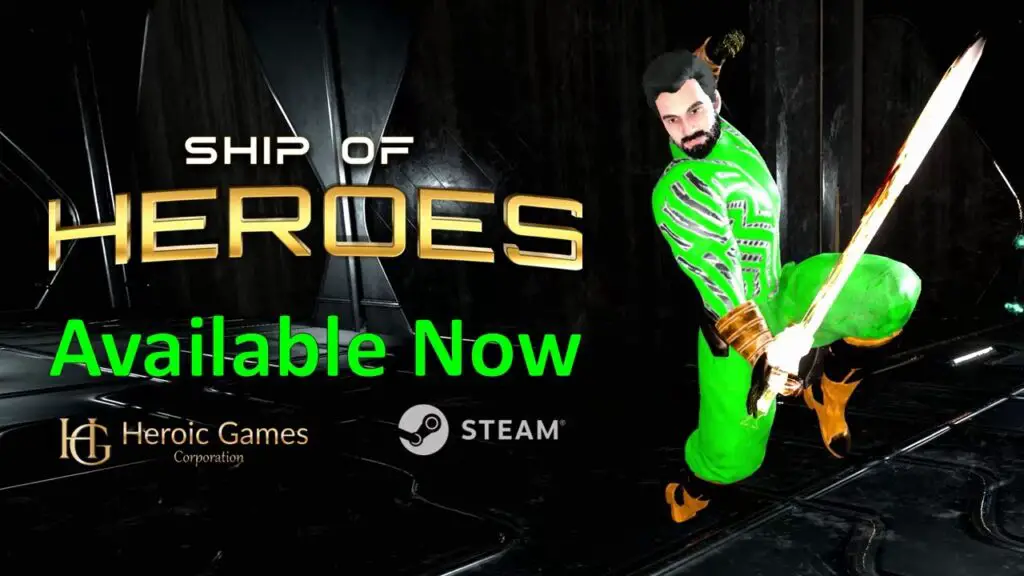
As we often highlight at Digital Tech Explorer when reviewing software and digital products, pricing is paramount in competitive markets. This strategy is particularly challenging in today’s MMORPG landscape, where even large, established titles like World of Warcraft and Final Fantasy XIV are among the few that successfully sustain subscription models. Many others thrive on free-to-play approaches. For an independent MMORPG attempting to compete with a well-established, free-to-play private server of the very game it seeks to honor, this approach proved to be a formidable obstacle.
The immediate impact on player numbers was stark, providing clear data for our analysis. At its launch, Ship of Heroes saw a peak of merely 100 players, a figure that rapidly dwindled. According to SteamDB, by Tuesday, the player count dropped to a low of 11, plummeting further to just seven active players by Wednesday, with a recent 24-hour peak reaching only 32 players.
Community interactions on its discussion forums also mirrored the troubled launch. Many threads were locked, some stemming from legitimate criticisms such as calls for a demo or expressions of empathy for the developers. However, a developer identified as “SoH7” engaged in contentious exchanges, labeling critical posters as “rude, unfriendly and insulting people” and “trolls,” further suggesting that the purchase price served to keep such individuals out.
Ultimately, this confrontational approach, combined with an ambitious pricing model for an indie title, failed to resonate with the wider gaming community, leading to a challenging and isolating start for a project developed over nearly a decade.
The situation surrounding Ship of Heroes serves as a cautionary tale in the often-complex world of game development and community management. While the dedication of its developers is commendable, the high entry cost paired with a subscription model in a highly competitive market—especially when juxtaposed against a popular, free predecessor—proved to be an overwhelming obstacle. Furthermore, as TechTalesLeo often emphasizes, hostile developer-community interactions can quickly exacerbate negative perceptions and alienate potential players.
For those interested in exploring more about game development trends, industry insights, or seeking their next digital adventure, we encourage you to delve deeper into our comprehensive reviews and news coverage here at Digital Tech Explorer. You can find more discussions on gaming, software, and tech innovations by browsing our related categories:

- Gaming: Explore the latest in video game releases, reviews, and industry analysis.
- PC Games: Dive into our insights on PC-specific titles, hardware, and performance.
- Hardware: Stay informed about the technology powering your gaming and computing experience.
All content on Digital Tech Explorer is for informational and entertainment purposes only. We do not provide financial or legal advice.
Some of the links on Digital Tech Explorer are affiliate links. This means we may earn a commission if you click through and make a purchase, at no additional cost to you. Our recommendations are based on thorough research and personal experience.