
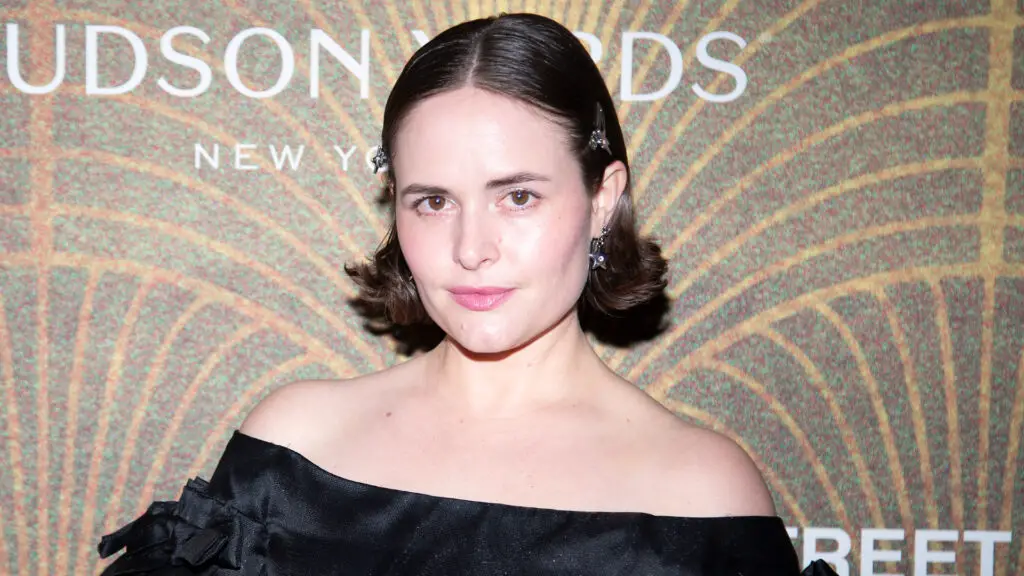
In a significant development for digital creators and the gaming industry, influencer Kelley Heyer’s lawsuit against Roblox Corporation has been “amicably resolved,” according to recent court papers. This legal dispute, which captured the attention of many tech enthusiasts and developers, centered on an in-game emote based on Heyer’s wildly popular “Apple dance” performed to Charli XCX’s song. Both parties have now dismissed the case, signaling a mutually agreeable conclusion.
The Digital Journey of the Viral Apple Dance into Roblox
The “Apple dance” exploded as a massive TikTok trend in the summer of 2024, achieving such widespread recognition that Charli XCX herself embraced it, even featuring Heyer in a live performance. This digital sensation soon found its way into the gaming world, specifically incorporated as an emote in a Charli XCX-themed “Brat” update for the popular Roblox game, Dress to Impress. This integration highlights the increasing convergence of social media trends and interactive gaming platforms, a fascinating area of digital innovation we at Digital Tech Explorer closely follow.
Understanding the Core of the Legal Dispute and Creator Compensation
The genesis of this legal conflict lay in a crucial breakdown in communication regarding intellectual property. Heyer and Roblox were reportedly in discussions to license the dance in early August 2024. However, the game update featuring the emote was released prematurely, prior to a “signed agreement” being finalized. Following the release, Heyer took proactive steps to copyright the dance. Her subsequent lawsuit alleged that Roblox had generated approximately $123,000 from selling the emote between August and November 2024. The core of her claim, and a vital point for all independent creators, emphasized that Heyer is “an independent creator who should be compensated fairly for her work.” This case underscores the complex legal landscape surrounding creator rights in the rapidly evolving digital economy.
An Amicable Resolution Paving the Way for Creators
While the exact financial terms remain confidential, it has been confirmed that Heyer has now received compensation as a result of the resolution. In a concise joint statement, both parties conveyed, “The parties wish each other every success in their creative pursuits and encouraging the creating [sic] pursuits of others.” This confirms the dispute has been settled amicably, serving as a positive example of how creator and platform interests can ultimately align. At Digital Tech Explorer, we believe such resolutions are crucial for fostering a fair and innovative digital ecosystem for developers and tech enthusiasts alike.
The Broader Landscape of Dance-Related Lawsuits in Gaming
Kelley Heyer’s case is not an isolated incident but rather a notable part of a growing trend of dance-related lawsuits targeting major gaming platforms that integrate popular online trends into their content. Interestingly, Heyer had a more seamless experience with another gaming behemoth, reaching an agreement with Fortnite in December 2024 to introduce “the Bratty dance” emote. She praised the Fortnite development team, noting they were “wonderful and super easy to work with.”
This challenge to intellectual property rights isn’t new. As early as 2019, Alfonso Ribeiro, famously known for the ‘Carlton Dance,’ sued Epic over a Fortnite emote. Other creators who have pursued similar legal action against game companies include 2 Milly for the Milly Rock dance, Backpack Kid for the Floss, and Orange Shirt Kid’s mother for the Orange Justice dance. These cases highlight the ongoing complexities of copyright and fair compensation in the rapidly evolving digital and gaming realms, a topic of continuous discussion for developers and content creators across the globe.